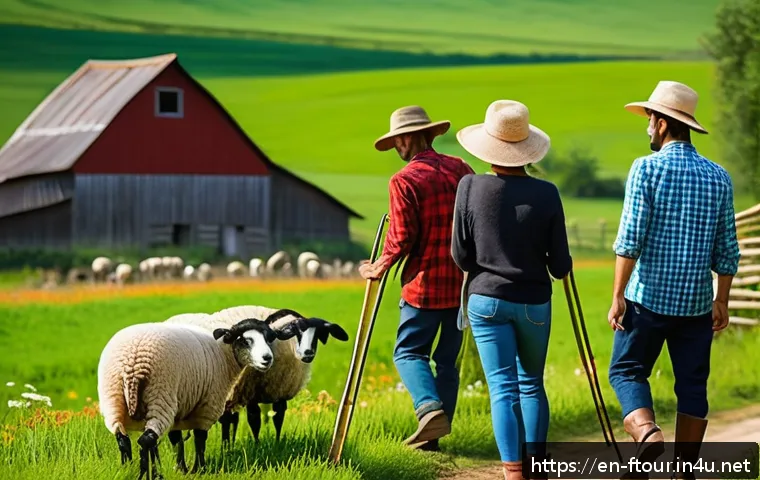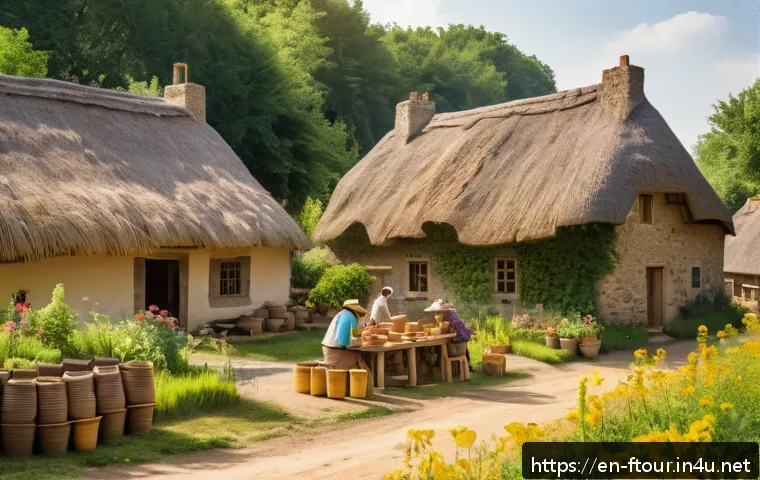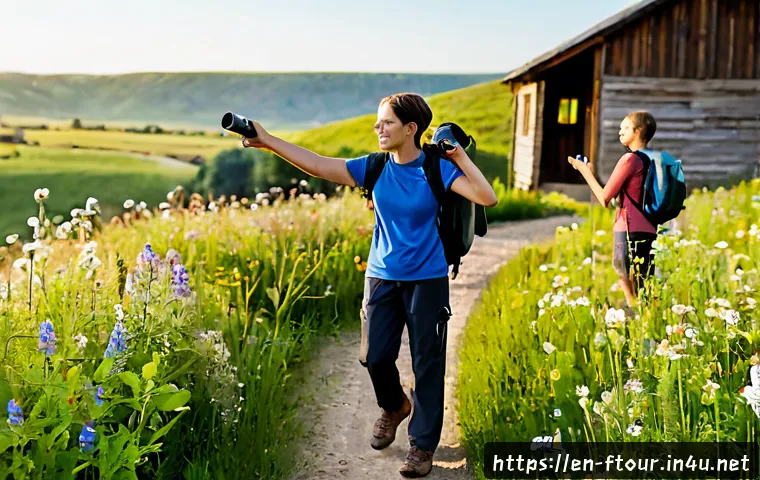
A trained rural nature guide is worth paying for when access rules, wildlife, changing conditions, or multiple local providers make a trip harder to manage safely and responsibly.
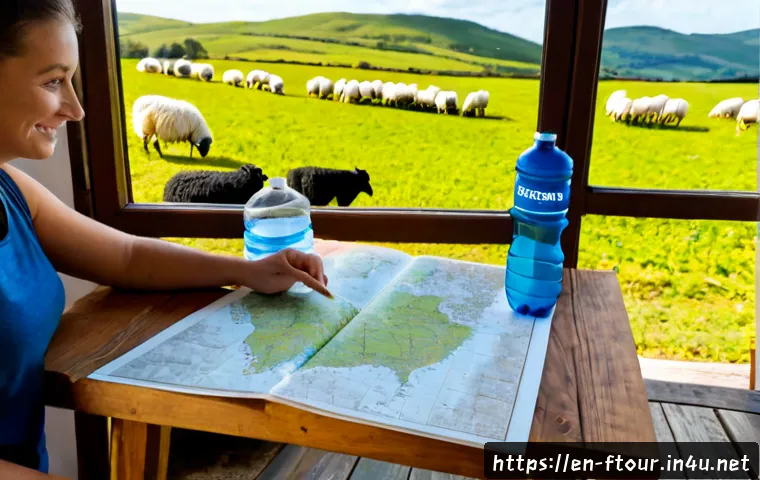
A self-guided visit can work well when routes are clear, site rules are easy to follow, and the group can adjust to weather or closures independently.
The best choice depends on the experience you want, not on a “guided is always better” assumption. Compare what is included, who manages risk, how local businesses benefit, and what happens if plans change.
For rural operators, the same framework helps turn a simple visit into a clearer, lower-impact guest experience. Guide training, tour operator insurance, booking tools, and conservation-focused accommodation can all affect the final value of a rural travel package.
At a Glance
- Choose a trained guide or specialist operator when local rules, wildlife viewing, safety monitoring, or complex logistics are part of the experience.
- Use a self-guided format when access is straightforward, visitors can follow site-specific rules, and the itinerary does not depend on close supervision.
- Compare total value, not just the headline fee: transport, permits, equipment, insurance, group size, local spending, and cancellation terms may all matter.
| Experience format | Typical inclusions | Planning responsibility | Risk-management support | Best fit |
|---|---|---|---|---|
| Independent local guide | Local interpretation, route guidance, activity leadership | Often shared between the visitor and guide | Depends on the guide, activity, and local requirements | Travelers wanting local insight and a flexible itinerary |
| Specialist ecotour operator | Guide coordination, itinerary planning, supplier arrangements, possible transport or accommodation coordination | More centrally managed | May be easier to review as part of one operating plan | Groups, multi-provider trips, and visitors who want fewer logistics |
| Self-guided itinerary | Maps, public information, independently booked services | Mainly handled by the visitor | Visitors must understand rules, conditions, and backup options | Simple routes, independent travelers, and low-complexity visits |
When a Rural Nature Guide Adds Real Value
The three decisions to make before booking or designing an experience
Start with three practical questions: What is the setting? What does the group need? and who is responsible for each part of the day? A quiet farm walk, a wildlife viewing area, and a route through protected land may look similar on a brochure, but they can involve very different access rules and operating responsibilities.
A guide adds particular value when visitors need help understanding local ecology, cultural context, trail etiquette, or site-specific restrictions. This can also be useful when an itinerary involves several rural providers, such as a lodging host, farm, food business, transport operator, and activity leader. One clear point of coordination reduces confusion for guests and helps local suppliers prepare for the visit.
Before booking, ask whether commercial guiding is allowed at the site and whether permits, reservations, insurance, or an approved operating plan may be required. Requirements can vary by country, state, municipality, protected area, and activity type. Do not assume that a guide who works elsewhere can automatically lead a commercial activity at a particular site.
What responsible interpretation changes for visitors and local communities
Responsible interpretation is more than naming plants or pointing out an animal. A good rural nature experience explains why visitors should stay on a route, keep distance from wildlife, avoid feeding animals, and follow local rules. These details can make a trip safer, less disruptive, and more meaningful without turning the day into a lecture.
It can also create clearer value for rural communities. Visitors may better understand why a farm, waterway, habitat, or local tradition needs care. For operators, that means explaining how guests should behave before arrival, not only after a problem occurs. Simple, direct language is often the most useful: where to park, what not to touch, whether photography is restricted, and what to do if weather changes.
Be cautious of vague promises such as “eco-friendly” or “sustainable” with no explanation. A more useful description names the actual practices: small groups, site-rule briefings, local supplier coordination, wildlife-distance guidance, or seasonal adjustments.
When a self-guided route may be enough
A self-guided route may be suitable when the route is easy to understand, access is open to visitors, conditions are manageable, and the group is comfortable making changes. It can be a sensible choice for independent travelers who do not need detailed interpretation or activity leadership.
However, self-guided does not mean unplanned. Visitors still need to check trail conditions, seasonal closures, weather, reservations, and the rules for farms, waterways, wildlife areas, or protected land. A simple itinerary with realistic timing is usually more responsible than trying to fit too many stops into one day.
Compare Guided, Operator-Led, and Self-Guided Rural Experiences
Local independent guide versus specialist ecotour operator
An independent local guide may offer direct local knowledge and a more personal format. This can work well for a focused activity, such as a nature walk, farm-based learning session, or wildlife observation trip. Ask what the guide personally handles and what the guest must arrange separately.
A specialist ecotour operator may be more useful when a trip combines transport, lodging, food businesses, activities, and different locations. The operator can potentially coordinate a broader rural travel package, but visitors should still check exactly what is included. A package name alone does not confirm permits, safety provisions, accessibility, insurance arrangements, or sustainability practices.
For either option, ask for a clear itinerary and a plain-language explanation of the backup plan. Weather, trail conditions, wildlife activity, and seasonal closures can affect both feasibility and operating costs. A provider that explains possible changes early is easier to assess than one that offers only broad promises.
Small-group, private, and educational tour formats
Small groups can make it easier to manage interpretation, safety monitoring, and low-impact behavior. Guests may have more opportunity to ask questions, while guides can more easily notice whether people are leaving a trail, approaching wildlife, or missing an important instruction.
Private tours can suit families, multi-generational travelers, or visitors with specific interests. They may also make pacing simpler when mobility, rest breaks, or a quieter experience is important. Still, a private format does not remove site rules or permit requirements.
Educational groups need especially clear objectives. Schools, conservation-focused visitors, and corporate groups may benefit from a structured plan that identifies learning goals, supervision responsibilities, weather procedures, and behavior expectations. The group should know whether the activity is observation-based, hands-on, or mainly interpretive before arrival.
Cost factors: transport, permits, equipment, meals, and group size
Do not compare only a guide fee or package total. Build a simple cost-and-value checklist that covers:
- Transport between rural locations and any parking or access arrangements
- Permits, reservations, or entry requirements where applicable
- Equipment needed for the activity and who provides it
- Insurance or other operating requirements that may apply to commercial activities
- Meals, farm products, accommodation, and other local supplier services
- Group size, supervision needs, and whether the activity can run in poor weather
For rural businesses, this same checklist supports clearer pricing and fewer last-minute misunderstandings. For guests, it reveals whether a lower initial quote leaves important logistics unresolved. Booking software can also be useful when a business needs to manage reservations, group limits, supplier timing, and cancellation communication in one place.
Skills That Matter for Responsible Rural Tourism
Local ecology, cultural context, and clear visitor communication
A capable rural nature guide does not need to overwhelm visitors with technical language. The key skill is translating local knowledge into useful actions. That may mean explaining why a bird should be viewed from a distance, why a field edge is not an open shortcut, or why a local host needs advance notice before a visit.
Cultural context matters as well. Rural communities may have working farms, private land, seasonal routines, and local practices that are not designed around unrestricted visitor access. Clear communication helps visitors enjoy the experience without treating a living community as a backdrop.
Risk awareness, first-aid readiness, and weather planning
Risk planning should match the activity and setting. Guides and operators should be ready to discuss what happens if weather changes, a route becomes unsuitable, or a seasonal closure affects the plan. Visitors should also ask who is responsible for decisions during the activity and how changes will be communicated.
First-aid readiness, emergency procedures, insurance, and commercial operating requirements should be checked directly with the relevant provider or authority. These requirements are not uniform across destinations. A responsible operator will describe its process clearly rather than implying that every rural activity follows the same standard.
Low-impact practices for trails, farms, waterways, and wildlife areas
Low-impact tourism begins with predictable behavior. Visitors should follow marked routes where provided, respect working areas on farms, avoid leaving waste, and obey waterway or trail rules. Wildlife viewing is generally safer and less disruptive when people keep distance, avoid feeding animals, and follow site-specific guidance.
For operators, group management matters. A smaller group can be easier to brief, monitor, and redirect. If a site feels crowded or sensitive, the correct response may be to adjust timing, reduce the number of participants, or select another location rather than push ahead with the original plan.
Planning Steps and Common Mistakes to Avoid

Check access rules, commercial permits, and seasonal restrictions
Check the location before marketing or booking an experience. Public land does not automatically mean commercial guiding is permitted. Some activities may require permits, insurance, reservations, or approved operating plans, while others may be affected by seasonal closures or access limits.
For travelers, this means asking whether the provider has confirmed access for the intended activity. For rural businesses, it means verifying requirements with the relevant land manager or authority instead of relying on assumptions from nearby areas.
Build realistic schedules with local suppliers and backup plans
Rural itineraries often involve more than one business. A guest may travel from a conservation-focused accommodation to a farm activity, then to a food provider or trailhead. Allow realistic time for travel, arrivals, briefings, rest stops, and changes in weather.
Build a backup option before the day begins. A poor-weather alternative, an indoor interpretation session, a different route, or a rescheduled activity may be more practical than trying to force an outdoor plan. Make sure all suppliers know who communicates changes to the guest.
Avoid greenwashing, overcrowding, and unclear guest expectations
Greenwashing often starts with imprecise language. Avoid claiming that an experience protects nature simply because it takes place outdoors or in a rural area. Instead, state what the experience actually does: follows site rules, uses smaller groups, provides visitor briefings, supports local providers, or adjusts to seasonal conditions.
Also avoid unclear expectations. Guests should know the activity level, likely conditions, what they need to bring, whether food or transport is included, and what may change. This is especially important for first-time visitors who may not understand rural terrain, limited services, or shifting weather.
Choosing the Right Format for Your Group or Rural Business
Families, first-time visitors, and travelers with accessibility needs
Families and first-time visitors often benefit from a format with clear instructions, a manageable pace, and a named contact person. A guide can help explain rules in the moment, but families should still confirm the route, activity demands, restroom availability if relevant, transport arrangements, and weather alternatives.
Accessibility should never be assumed from a destination description. Ask the provider what the route, surfaces, transfers, facilities, and activity format are actually like. If the operator cannot confirm these details, treat that as information you still need before booking.
Schools, corporate groups, and conservation-focused visitors
Groups with a learning or team purpose should define what success looks like. A school may prioritize age-appropriate interpretation and supervision. A corporate group may need clear timing and transport coordination. Conservation-focused visitors may place greater value on local ecology, site rules, and the explanation of low-impact practices.
In all cases, assign one organizer to confirm inclusions, attendance changes, emergency contacts, and guest instructions. A well-run group is not necessarily the largest one; it is the one that can be safely supervised and can follow the site’s conditions.
Rural hosts adding guided activities to lodging or farm stays
Hosts do not need to offer every activity themselves. A lodging host or farm stay can work with an appropriate local guide, transport provider, or specialist operator while remaining clear about who delivers each service. This can help guests build a fuller rural experience without creating unclear responsibilities.
Use a simple guest journey: booking confirmation, arrival information, activity expectations, weather guidance, and a contact method for changes. If you use booking software or a travel package platform, make sure the listing describes inclusions and cancellation terms consistently across all suppliers.
Selection Criteria and Comparison Summary
Before choosing a guide, operator, or self-guided plan, check these points:
- Access: Are site rules, reservations, permits, and seasonal restrictions confirmed?
- Safety: Who monitors conditions, leads the activity, and communicates changes?
- Environmental practice: Does the provider explain how guests avoid disturbing wildlife, trails, farms, and waterways?
- Local value: Which local businesses or hosts are involved, and are their roles clear?
- Total cost: Are transport, equipment, meals, permits, accommodation, and other inclusions explained?
- Flexibility: What happens if weather, trail conditions, wildlife activity, or closures change the plan?
Compare inclusions, safety provisions, and cancellation terms before choosing a provider. Official guidance and detailed conditions should be checked on the relevant provider, land manager, or destination page before payment or launch.
Final Thoughts
Responsible rural tourism is not about making every trip complicated. It is about matching the format to the place, the visitors, and the level of support required. A guide can add real value through local interpretation, safer decision-making, and clearer low-impact behavior. A self-guided trip can also be a good fit when access and conditions are straightforward. The strongest choice is the one that is honest about limits, responsibilities, and possible changes.
Useful Things to Know
1. Wildlife activity and trail conditions can change an itinerary, even when a route looked suitable earlier.
2. Small-group travel can make explanation, supervision, and low-impact behavior easier to manage.
3. A rural experience may involve farms, accommodation hosts, transport providers, activity leaders, and food businesses, so coordination matters.
4. A sustainability claim is more useful when it describes specific actions rather than using a general label.
Important Notes
Guide qualifications, licensing, permits, insurance requirements, pricing, cancellation terms, accessibility, and site capacity vary by destination and activity. Confirm these details directly with the relevant operator, land manager, authority, or supplier. This comparison framework helps identify what to ask, but it does not verify the practices or legal status of an individual provider.
Frequently Asked Questions
Q1. Is it worth paying for a local nature guide on a rural trip?
A1. It can be worth it when the experience involves wildlife, protected areas, unfamiliar terrain, changing conditions, or several local providers. A guide may also add value through local interpretation and clearer visitor behavior. For a simple, well-marked visit with clear rules, a self-guided plan may be enough.
Q2. What should I compare when choosing an ecotourism operator or independent guide?
A2. Compare access arrangements, inclusions, group size, safety planning, environmental practices, local supplier involvement, transport, equipment, and cancellation terms. Ask what changes if weather, trail conditions, seasonal closures, or wildlife activity affect the plan.
Q3. Are guided wildlife and farm-based experiences safe for families and first-time visitors?
A3. They can be suitable when the activity matches the group’s needs and the provider gives clear instructions. Families and first-time visitors should confirm the route, pace, accessibility details, weather plan, supervision approach, and site-specific rules. Wildlife should be viewed from a distance, and visitors should not feed animals.