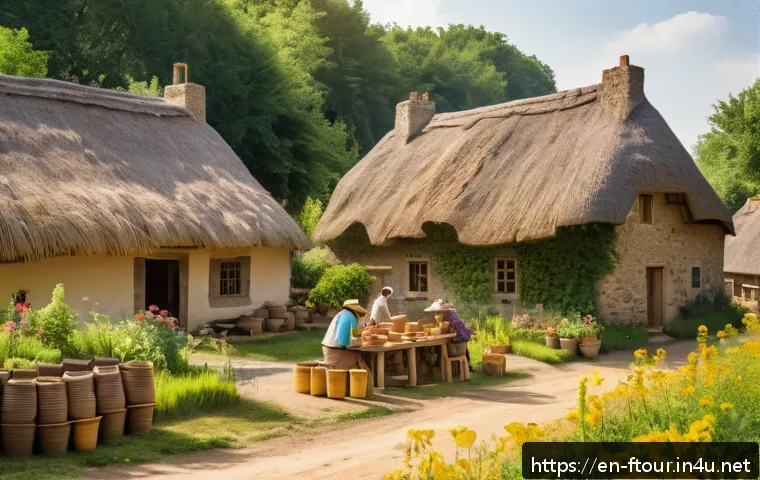
As rural tourism gains momentum, more travelers are seeking authentic, off-the-beaten-path experiences that connect them with nature and local culture.
This rising trend opens exciting opportunities for aspiring guides eager to lead visitors through hidden gems and unique landscapes. But success in this niche demands more than enthusiasm—it requires specific skills and targeted training to truly engage and satisfy today’s curious explorers.
If you’ve ever dreamed of turning your passion for rural adventures into a rewarding career, understanding these essentials is your first step. Let’s dive into what it takes to become a standout rural tourism guide in this evolving industry.
Mastering Local Storytelling to Enrich Visitor Experiences
Crafting Authentic Narratives from Community Histories
One of the most powerful tools a rural tourism guide can wield is storytelling. Sharing the stories behind local landmarks, traditions, or even everyday life creates a connection that goes beyond surface sightseeing.
I’ve found that when I dive into the origins of a village festival or the legacy of a centuries-old farmhouse, visitors suddenly see the place with new eyes.
Authenticity is key here—stories should come directly from community members or well-documented histories to avoid clichés or inaccuracies. This not only builds trust but also deepens the emotional impact of the experience.
Engaging Senses to Bring Stories Alive
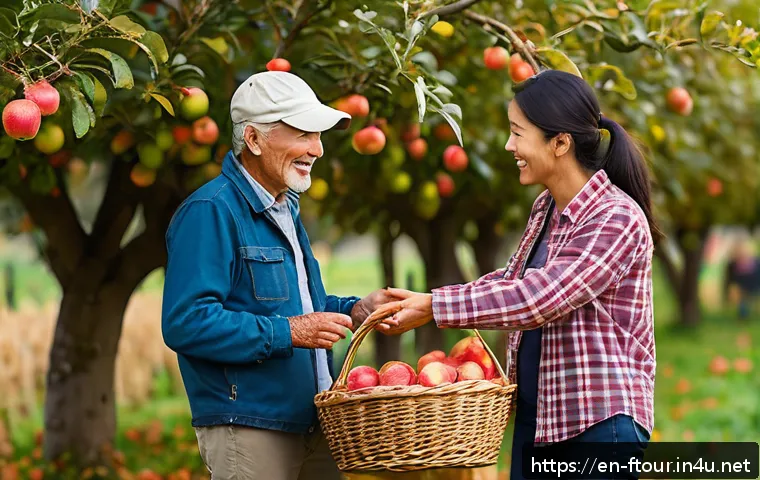
Telling a story is more than just words—it’s about engaging all the senses. When guiding a group through a rural orchard, I encourage people to touch the leaves, smell the fruit, or listen to the birdsong that surrounds them.
These sensory details make the narrative tangible and memorable. It’s a technique that takes some practice but pays off when visitors express how vividly they remember the tour days or even weeks later.
Using props or local artifacts can also amplify this effect, making the storytelling interactive and lively.
Balancing Education and Entertainment
While it’s important to educate visitors, making the experience entertaining is equally crucial. I’ve learned that humor, personal anecdotes, and relatable comparisons help keep people engaged without overwhelming them with facts.
For example, when explaining traditional farming methods, weaving in humorous mishaps or personal stories from farmers makes the information accessible and enjoyable.
Striking this balance keeps the group attentive and creates a relaxed atmosphere where questions and conversations naturally flow.
Developing Practical Skills for Seamless Rural Tours
Navigation and Safety Preparedness in Varied Terrains
Rural environments can be unpredictable—muddy paths, sudden weather changes, or uneven trails require guides to be confident in navigation and safety protocols.
I always carry a reliable GPS device and a detailed map, but equally important is knowing how to read natural signs and local landmarks. Training in first aid and emergency response is essential; once, a small group member twisted an ankle on a rocky path, and being prepared made all the difference in managing the situation calmly and effectively.
These skills ensure both the safety and comfort of visitors, which directly impacts their overall satisfaction.
Effective Group Management and Communication
Managing diverse groups in outdoor settings demands strong communication and leadership skills. From my experience, setting clear expectations at the start of a tour helps prevent confusion and keeps the group cohesive.
I use simple, direct language and check in regularly with visitors to gauge their pace and interest levels. Handling unexpected challenges, like a sudden change in itinerary or a visitor’s physical limitation, requires flexibility and empathy.
Building rapport early on fosters a positive group dynamic, making the entire experience smoother and more enjoyable.
Utilizing Technology to Enhance the Tour
Although rural tourism often emphasizes disconnecting from technology, savvy guides can leverage digital tools to enrich the experience. I use apps to show interactive maps, historical photos, or even augmented reality features that reveal how a site looked in the past.
Social media also plays a role in post-tour engagement, where sharing highlights and behind-the-scenes glimpses keeps visitors connected. However, the key is balance—technology should complement, not overshadow, the natural and cultural immersion.
Building Deep Connections with Local Communities
Collaborating with Residents and Small Businesses
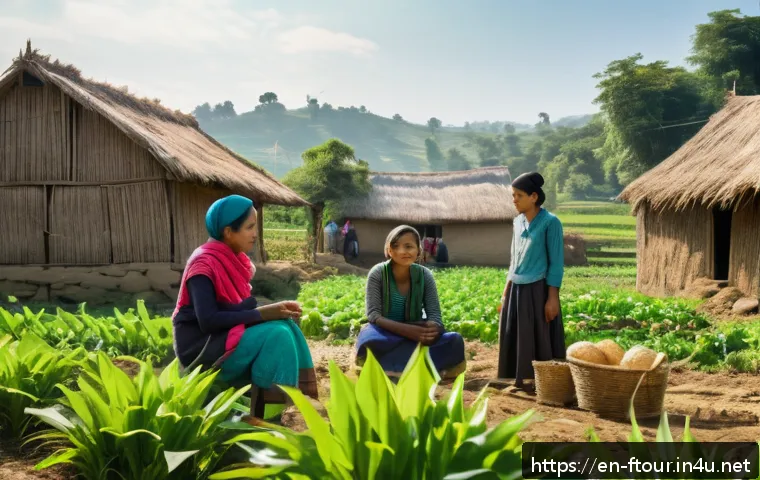
A truly authentic rural tour thrives on genuine relationships with local communities. I make it a point to collaborate with farmers, artisans, and family-owned eateries to create unique experiences that benefit everyone involved.
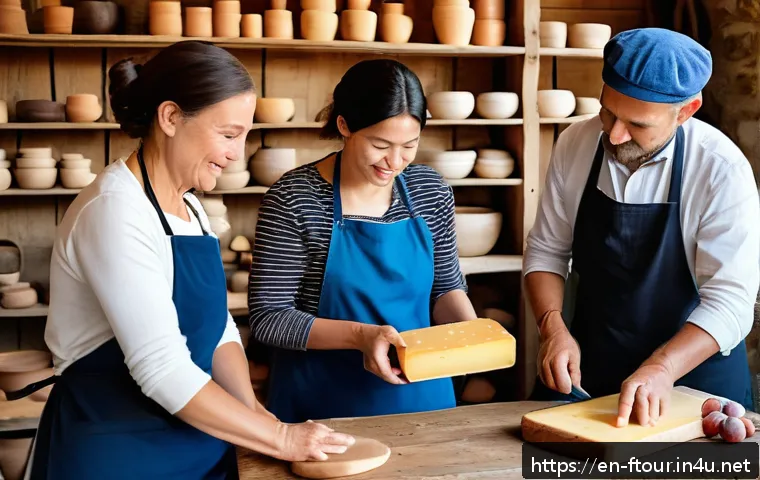
For example, arranging a hands-on workshop with a local cheese maker not only enriches the tour but also supports their business. These partnerships require ongoing communication and mutual respect, which also helps prevent cultural misunderstandings and ensures that tourism development remains sustainable.
Respecting Cultural Sensitivities and Traditions
Every rural area has its own customs and unwritten rules, and a guide’s sensitivity to these nuances is crucial. I always advise visitors beforehand about appropriate behavior—such as dress codes, photography restrictions, or ways to greet locals respectfully.
Missteps can quickly damage trust and harm the community’s openness to tourism. Learning from locals about what’s acceptable and what’s not helps me navigate these cultural landscapes smoothly and teaches visitors how to be considerate guests.
Fostering Environmental Stewardship Among Visitors
Environmental awareness is inseparable from rural tourism. I encourage visitors to follow “leave no trace” principles and explain the impact of their actions on fragile ecosystems.
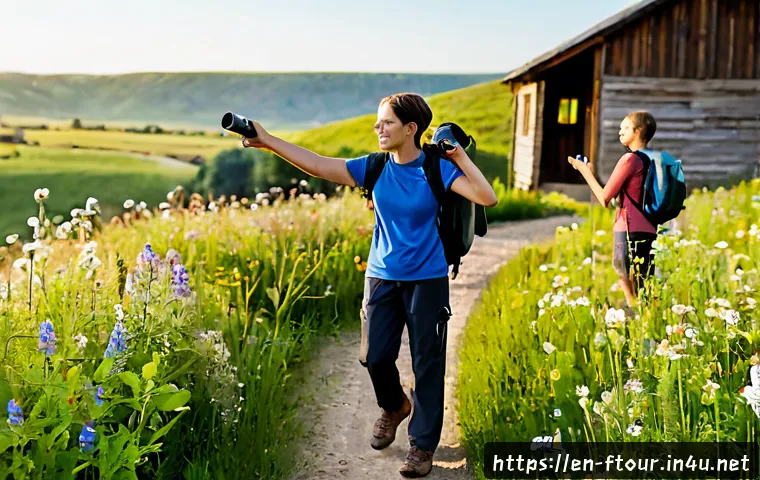
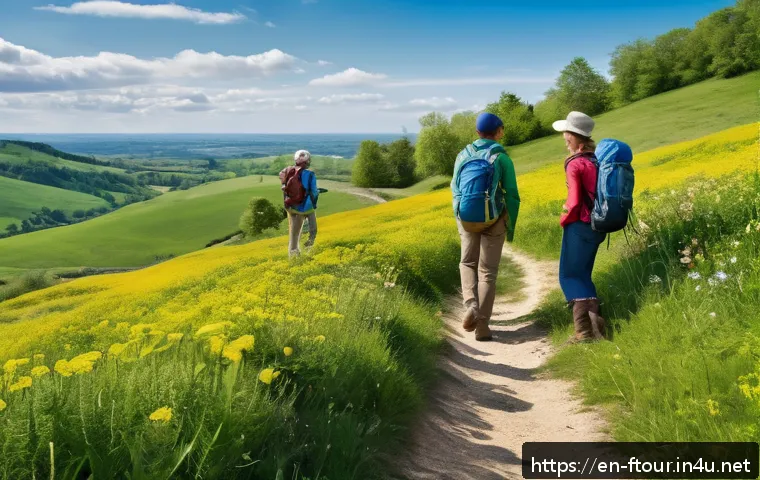
For instance, during a wildflower walk, I highlight how picking blooms can disrupt local pollination cycles. When guests understand their role in preserving the environment, they often become passionate advocates themselves.
This shared commitment not only protects the destination but also enhances the meaning of their visit.
Marketing Your Rural Tour Services Effectively
Identifying Your Unique Selling Points
In a growing market, standing out is vital. I recommend guides to pinpoint what makes their tours unique—whether it’s exclusive access to private farms, specialized knowledge in local wildlife, or interactive experiences like cooking traditional meals.
Once defined, these selling points should be woven into every marketing channel, from websites to social media posts. Highlighting authentic, personal stories about your journey as a guide also helps build credibility and emotional appeal.
Leveraging Online Platforms and Reviews
Online presence is a game changer for rural tourism. I’ve seen firsthand how positive reviews on platforms like TripAdvisor or Google can dramatically increase bookings.
Encouraging satisfied visitors to leave honest feedback boosts reputation and helps potential clients trust your service. Regularly updating your website with fresh content—like blog posts about seasonal changes or new partnerships—keeps your audience engaged.
Paid ads targeting niche interests can also be cost-effective if carefully managed.
Networking Within the Tourism Industry
Building relationships with local tourism boards, travel agencies, and fellow guides opens doors to collaborative opportunities and referrals. Attending industry events or joining professional associations has allowed me to exchange ideas and stay updated on best practices.
These connections can also lead to joint marketing campaigns or package deals, expanding your reach. Consistent networking fosters a supportive environment where rural tourism can thrive collectively.
Essential Knowledge Areas for Rural Guides
Understanding Local Flora and Fauna
Having in-depth knowledge about the plants and animals visitors might encounter enriches the experience and satisfies curious minds. I spend time studying native species and their ecological roles, which allows me to answer questions confidently and share fascinating facts.
For example, explaining how certain herbs were traditionally used in remedies or cuisine adds layers of meaning to the tour. This expertise also helps in spotting wildlife safely and responsibly.
Basics of Sustainable Agriculture and Rural Economies
Familiarity with how local agriculture operates and the economic challenges rural communities face is crucial. This knowledge enables guides to contextualize what visitors see and understand the importance of supporting local producers.
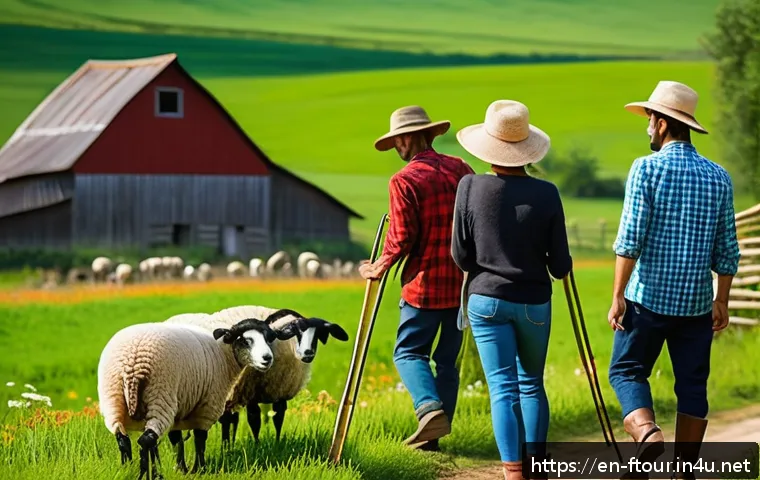
During farm visits, I explain crop rotation or organic practices, making complex topics accessible without jargon. Recognizing the broader economic picture fosters appreciation for the community’s resilience and innovation.
Local History and Cultural Practices
A solid grasp of the area’s historical timeline and cultural traditions provides a rich backdrop for every tour. I continually update my understanding by reading local archives, attending community events, and engaging with elders.
This ongoing learning process ensures that the information I share is accurate and respectful. It also helps anticipate visitor interests and tailor narratives that resonate deeply.
Planning and Logistics for Memorable Tours
Designing Itineraries that Balance Activity and Relaxation
Creating a well-paced itinerary is an art that blends active exploration with downtime. From personal experience, cramming too much into a day leaves visitors exhausted, while too little can feel underwhelming.
I plan routes that include scenic breaks, opportunities for spontaneous discovery, and comfortable rest stops. This thoughtful approach allows guests to absorb the surroundings fully and return home refreshed and inspired.
Coordinating Transportation and Accommodation Options
Reliable transportation and lodging arrangements are the backbone of a smooth tour. I collaborate with local drivers familiar with rural roads and recommend accommodations that match the group’s preferences—be it cozy farm stays or eco-lodges.
Clear communication with these service providers is vital to handle last-minute changes or special requests. When logistics run seamlessly, visitors focus on enjoying the experience without stress.
Preparing for Seasonal and Weather Variations
Rural environments are deeply affected by seasons and weather, which can impact accessibility and activities. I monitor forecasts closely and have contingency plans ready, such as indoor workshops or alternative routes.
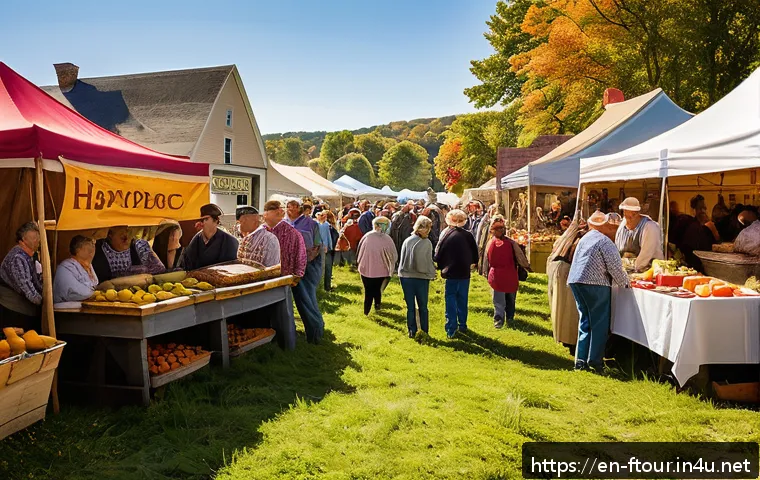
Sharing these possibilities with visitors beforehand sets realistic expectations and reduces disappointment. Embracing the season’s unique offerings—like spring blossoms or autumn harvests—adds a dynamic element to each tour.
| Skill Area | Key Components | Benefits for Visitors |
|---|---|---|
| Storytelling | Authentic narratives, sensory engagement, balanced education | Deeper connection, memorable experiences, enjoyable learning |
| Practical Skills | Navigation, safety, group management, tech use | Safe, smooth tours with engaging multimedia elements |
| Community Relations | Local partnerships, cultural respect, environmental stewardship | Authentic access, respectful interactions, eco-friendly visits |
| Marketing | Unique selling points, online presence, industry networking | Increased bookings, trusted reputation, collaborative growth |
| Knowledge Base | Flora & fauna, agriculture, history & culture | Informed, enriching commentary, visitor satisfaction |
| Logistics | Itinerary design, transport/accommodation, seasonal planning | Comfortable, flexible, well-organized tours |
In Conclusion
Mastering rural tourism requires a blend of authentic storytelling, practical skills, and meaningful community engagement. By thoughtfully crafting experiences that honor local culture and nature, guides can create unforgettable journeys that resonate deeply with visitors. Embracing adaptability and continuous learning ensures every tour feels fresh and rewarding for both guests and hosts alike.
Helpful Information to Know
1. Authentic stories rooted in local culture make tours memorable and emotionally engaging.
2. Preparing for safety and navigation challenges is essential to protect visitors and maintain smooth tours.
3. Building respectful relationships with local communities supports sustainable tourism development.
4. Leveraging digital tools and online platforms effectively boosts visibility and visitor interaction.
5. Designing balanced itineraries that consider seasonal changes enhances visitor comfort and satisfaction.
Key Takeaways
Successful rural tours depend on genuine connections—with the place, the people, and the environment. Guides should prioritize authenticity, safety, and cultural respect while embracing technology and smart marketing strategies. Continuous knowledge of local ecosystems and traditions enriches storytelling and visitor engagement. Thoughtful planning and flexibility make every trip enjoyable and meaningful, leaving lasting positive impressions that encourage repeat visits and word-of-mouth recommendations.
Frequently Asked Questions (FAQ) 📖
Q: What essential skills should I develop to become a successful rural tourism guide?
A: To thrive as a rural tourism guide, you need strong communication skills to connect authentically with diverse travelers. Knowledge of local history, culture, and natural environments is crucial, but equally important is adaptability—being ready to handle unexpected situations on the trail or during tours.
Practical skills like first aid, navigation, and storytelling help you engage visitors meaningfully. From my own experience, blending enthusiasm with deep local insight creates memorable, trust-building experiences that keep guests coming back.
Q: How can I get the right training or certification for rural tourism guiding?
A: Training options vary by region, but look for programs that combine hands-on fieldwork with cultural education. Many community colleges, outdoor education centers, or tourism boards offer certifications covering safety, environmental awareness, and customer service.
Personally, I found that participating in local workshops and shadowing experienced guides gave me a leg up before pursuing formal credentials. It’s also wise to stay updated with sustainable tourism practices since travelers increasingly value eco-friendly experiences.
Q: What challenges should I expect when starting out as a rural tourism guide, and how can I overcome them?
A: Early challenges often include building a client base, managing unpredictable weather, and balancing guest expectations. It took me time to develop a reliable network through social media and partnerships with local businesses.
Being flexible and patient is key—sometimes tours need quick adjustments, and not every visitor will have the same interests or fitness levels. Focusing on creating personalized, authentic experiences helps turn initial hurdles into opportunities for positive word-of-mouth and repeat bookings.