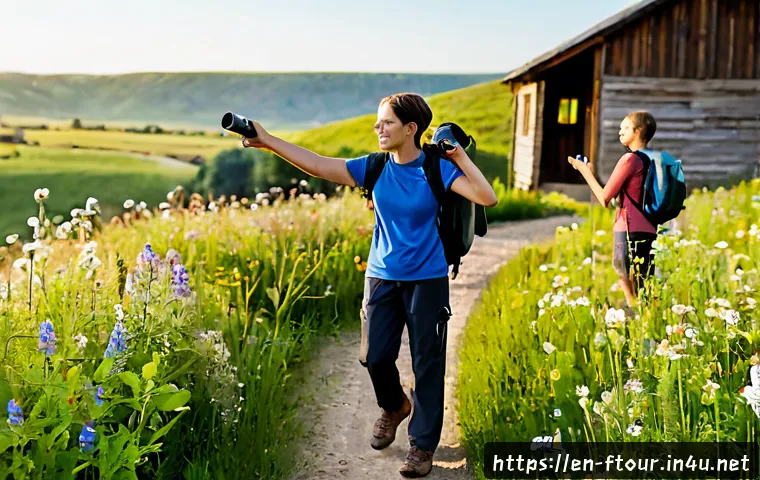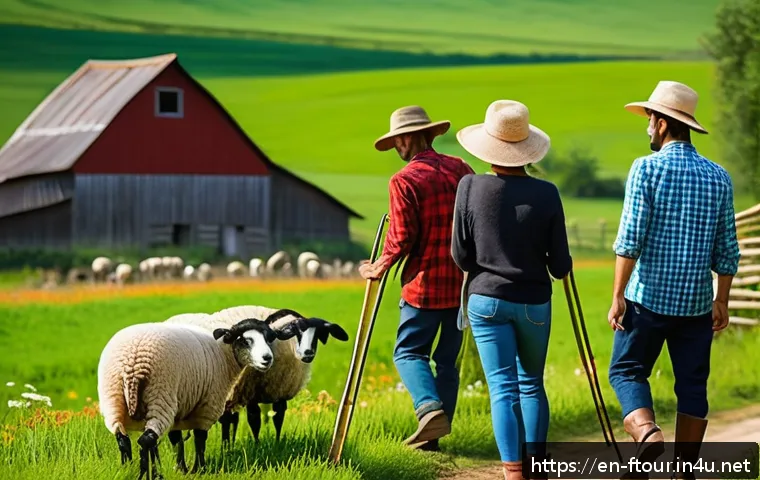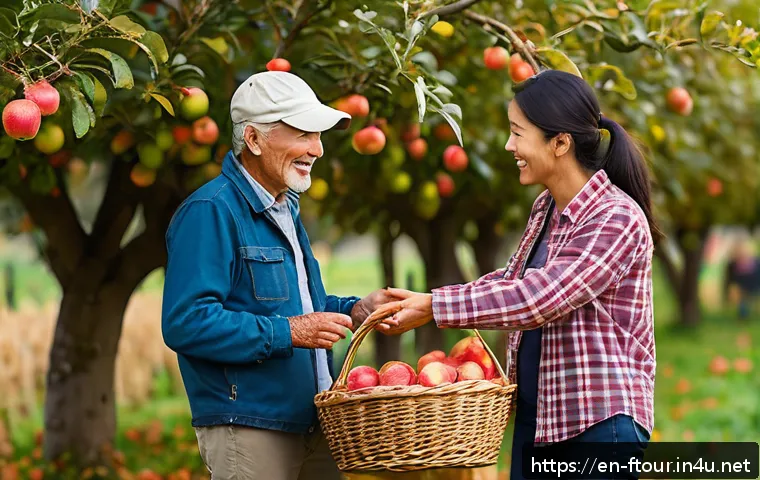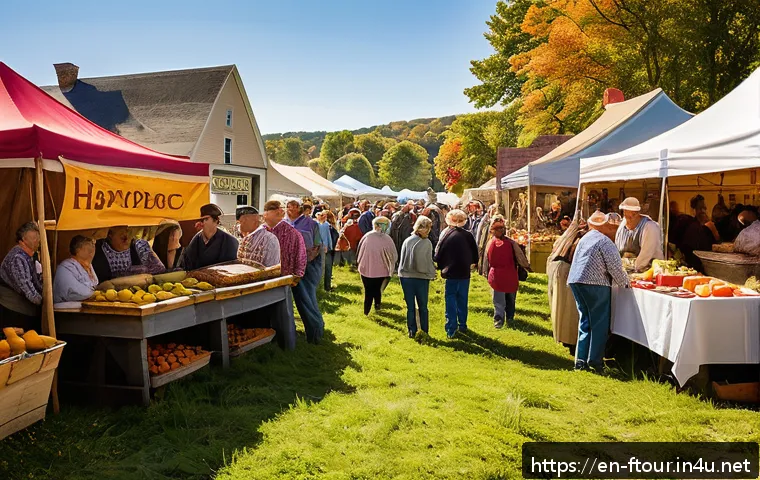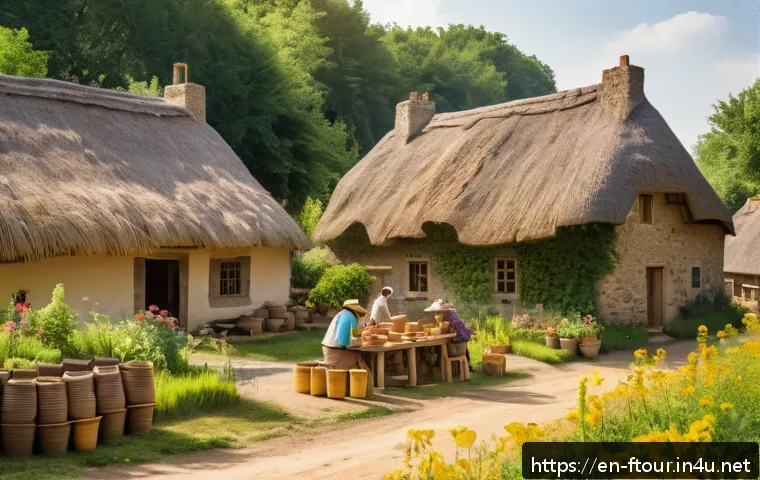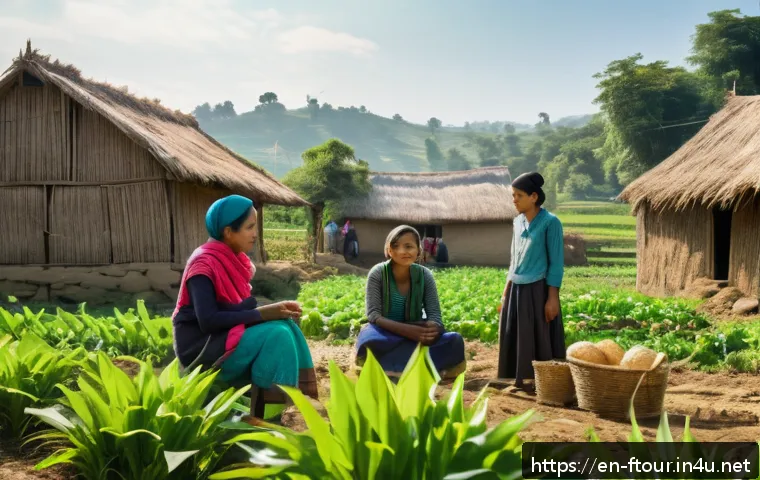
As rural tourism gains momentum worldwide, hands-on fieldwork has become an invaluable part of mastering this dynamic sector. Whether you’re a student or a budding professional, diving into a practicum experience offers unmatched insights into local cultures, sustainable practices, and community engagement.
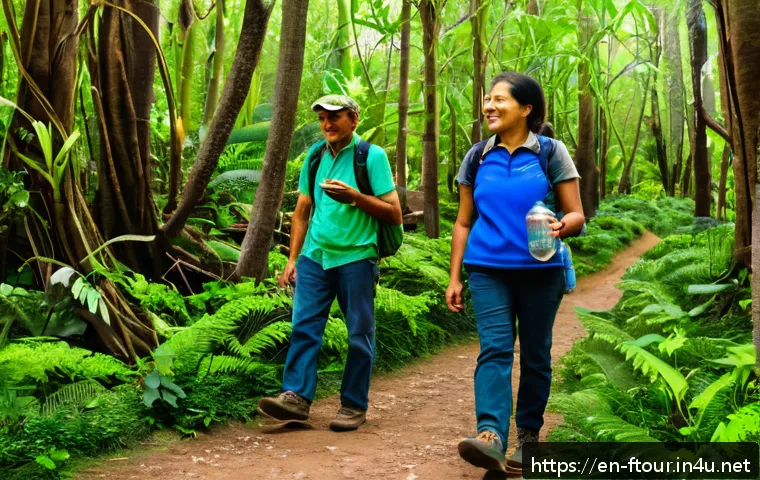
With travel trends shifting toward authentic, off-the-beaten-path adventures, understanding the nuances of rural tourism is more relevant than ever. In this post, I’ll share essential tips that helped me navigate and excel during my own rural tourism practicum, ensuring you get the most out of your fieldwork journey.
Stick around to uncover practical advice that bridges theory with real-world impact.
Building Genuine Connections with Local Communities
Understanding Community Dynamics
Spending time in rural areas reveals how vital it is to grasp the subtle social structures and traditions that shape daily life. When I first arrived at my practicum site, I quickly realized that locals valued trust and respect over superficial friendliness.
Taking time to learn about family ties, community leaders, and local decision-making processes opened doors to meaningful conversations. This wasn’t just about tourism; it was about becoming part of a living story.
Observing how festivals, rituals, and communal work tied people together gave me a deeper appreciation of the cultural fabric beyond the surface-level attractions.
It’s easy to overlook these nuances when rushing through a visit, but immersing yourself patiently pays off in richer interactions.
Engaging Through Active Listening and Participation
One of the best ways to build rapport is by showing genuine curiosity and humility. I made a habit of asking open-ended questions and listening carefully, which encouraged locals to share their experiences freely.
Joining in daily activities like farming, cooking, or craft-making helped bridge cultural gaps and demonstrated respect for their way of life. This hands-on involvement isn’t just symbolic—it creates trust and often leads to insider tips that you won’t find in guidebooks.
Plus, actively participating makes your practicum experience much more memorable and impactful.
Balancing Professionalism and Authenticity
While it’s important to maintain a professional attitude during your practicum, showing your human side fosters stronger connections. I found that sharing my own background and reasons for pursuing rural tourism created a two-way dialogue rather than a one-sided interview.
Being open about my learning goals and occasional mistakes helped locals see me as a genuine learner rather than an outsider with a checklist. This balance of professionalism and authenticity helps build lasting relationships that can support your career growth and enrich your understanding of rural tourism.
Mastering Sustainable Practices on the Ground
Recognizing Environmental and Cultural Sensitivities
Sustainability is more than a buzzword in rural tourism—it’s a necessity. During my practicum, I quickly learned that each rural destination has unique environmental challenges and cultural norms that must be respected.
For example, some communities rely heavily on natural water sources that can be easily depleted, while others have sacred sites requiring careful preservation.
Understanding these factors early on helped me tailor tourism activities to minimize negative impacts. This approach not only protects the environment but also maintains the authenticity that travelers seek.
Implementing Low-Impact Tourism Strategies
I experimented with various low-impact methods such as encouraging slow travel, promoting local products, and supporting homestays instead of large hotels.
These strategies reduce carbon footprints and empower residents economically. For instance, I helped design a walking tour route that avoided fragile ecosystems and introduced visitors to local artisans.
Seeing firsthand how these small adjustments improved both guest experiences and community well-being was incredibly rewarding. It proved that sustainability and profitability can go hand-in-hand.
Educating Visitors About Responsible Travel
Part of the practicum involved creating educational materials for tourists about respecting local customs and ecosystems. I realized that many travelers unintentionally cause harm simply because they lack awareness.
Clear, engaging communication—like storytelling or interactive workshops—can make a big difference in shaping visitor behavior. I noticed that when tourists understood the reasons behind certain rules, they were more willing to comply.
This sense of shared responsibility enhances the entire rural tourism experience.
Adapting to Unexpected Challenges in the Field
Managing Weather and Infrastructure Limitations
Rural areas often come with unpredictable weather and limited infrastructure, which can disrupt planned activities. I faced sudden rainstorms that canceled outdoor events and encountered unreliable internet connectivity that delayed communication.
Learning to stay flexible and have backup plans was crucial. For example, when a hiking trip was impossible, I quickly arranged an indoor cultural workshop instead.
These adaptations not only kept the practicum on track but also demonstrated problem-solving skills that rural tourism professionals need daily.
Handling Cultural Misunderstandings Gracefully
Miscommunications are inevitable when working across cultures, especially in immersive settings. I once misinterpreted a local custom, which caused a brief awkward moment.
Instead of brushing it off, I openly apologized and asked for clarification. This approach diffused tension and showed respect for the community’s values.
Being patient and willing to learn from mistakes helps build mutual respect and smooths over bumps along the way.
Keeping Personal Well-Being in Check
Long days in unfamiliar environments can be physically and mentally demanding. I made it a point to maintain a healthy routine by staying hydrated, eating local nutritious foods, and taking quiet moments for reflection.
Balancing work and rest ensured I stayed energized and attentive during fieldwork. Recognizing your limits and prioritizing self-care makes you more effective and helps sustain enthusiasm throughout the practicum.
Leveraging Local Resources for Deeper Learning
Utilizing Local Experts and Guides
One of the biggest advantages during my practicum was working alongside local experts who knew the land and culture intimately. Their insights enriched every aspect of the experience, from identifying native plants to explaining historical contexts.
I made a point to ask questions and observe their interactions with community members. This mentorship was invaluable for gaining practical knowledge that textbooks can’t provide.
Collaborating with local guides also added credibility when communicating with residents and visitors.
Accessing Community Archives and Oral Histories
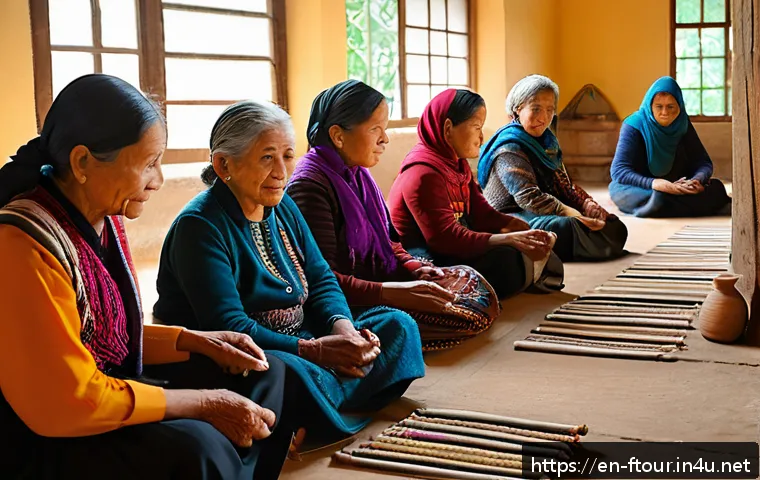
Many rural communities preserve their heritage through oral traditions and small archives rather than formal museums. I spent time listening to elders’ stories and reviewing community records, which deepened my understanding of local identity.
These narratives revealed layers of meaning behind landmarks and customs that otherwise might have seemed ordinary. Incorporating this knowledge into tourism programs helped create authentic and respectful visitor experiences.
Exploring Regional Partnerships and Networks
Connecting with regional tourism boards, NGOs, and cooperatives expanded the scope of my practicum beyond a single village. These partnerships provided resources, training opportunities, and platforms for sharing best practices.
I realized that rural tourism thrives through collaboration, where different stakeholders bring complementary strengths. Engaging with these networks gave me a broader perspective on how rural tourism can scale sustainably while preserving local character.
Designing Engaging Experiences for Visitors
Creating Immersive Storytelling Opportunities
Visitors today crave authentic stories that connect them emotionally to places and people. During my practicum, I helped develop guided tours and workshops that emphasized personal narratives—whether it was a farmer’s daily routine or a craftsperson’s creative process.
Storytelling turned ordinary activities into memorable experiences, making visitors feel like part of the community’s journey. I found that blending history, culture, and personal anecdotes kept guests engaged and eager to learn more.
Incorporating Hands-On Activities
Interactive experiences like cooking classes, farming tasks, or traditional music sessions made a huge difference in visitor satisfaction. These activities provide tactile connections to the destination, transforming passive sightseeing into active participation.
I noticed visitors left with a stronger appreciation and often returned home sharing vivid stories. Designing these activities requires understanding local skills and resources, but the payoff is a richer tourism offering.
Adapting Experiences to Diverse Audiences
Rural tourism attracts a wide range of travelers—from solo backpackers to families and senior groups. Tailoring experiences to different interests and abilities was a key learning point for me.
For example, I created shorter routes and less physically demanding activities for older visitors, while offering more adventurous options for younger guests.
Flexibility and inclusivity ensure that tourism benefits reach a broader audience and that everyone leaves with positive memories.
Evaluating Impact and Reflecting on Growth
Measuring Social and Economic Benefits
Assessing the outcomes of rural tourism initiatives helped me understand their real-world impact. I tracked indicators such as increased local employment, visitor satisfaction, and preservation of cultural sites.
Seeing tangible benefits reinforced the importance of responsible tourism practices. This evaluation process also highlighted areas needing improvement, guiding future projects toward greater sustainability and community well-being.
Gathering Feedback from Stakeholders
Regular dialogue with local residents, visitors, and fellow practitioners was crucial for continuous learning. I organized feedback sessions and informal chats to capture diverse perspectives.
This helped identify challenges early and adapt strategies accordingly. Listening actively to all voices ensured that tourism development remained community-centered and responsive.
Personal and Professional Growth Through Reflection
Keeping a detailed journal throughout the practicum allowed me to reflect on successes and setbacks. Revisiting these notes helped me recognize patterns, refine my skills, and build confidence.
I also shared insights with mentors and peers, which sparked valuable discussions and networking opportunities. This reflective practice turned the practicum into a transformative learning experience that shaped my approach to rural tourism long after the fieldwork ended.
| Key Practicum Tips | Practical Examples | Benefits |
|---|---|---|
| Build trust with locals through active listening | Joining community farming activities | Deeper cultural insights and stronger connections |
| Implement sustainable tourism methods | Designing eco-friendly walking tours | Protect environment and enhance visitor experience |
| Stay flexible to handle unexpected challenges | Switching to indoor workshops during bad weather | Maintains program flow and demonstrates adaptability |
| Leverage local knowledge and networks | Collaborating with community elders and tourism boards | Access to authentic information and broader support |
| Create immersive, hands-on visitor experiences | Cooking classes and craft workshops | Increased visitor engagement and satisfaction |
| Evaluate impact and gather feedback regularly | Conducting stakeholder interviews and surveys | Informs improvements and ensures community benefits |
Conclusion
Building meaningful relationships within local communities is essential for a rewarding rural tourism experience. By embracing sustainability, adaptability, and authentic engagement, you not only support the community but also enrich your own journey. These insights create a foundation for responsible tourism that benefits everyone involved and leaves lasting impressions.
Helpful Information to Keep in Mind
1. Take the time to understand local customs and social structures before diving into activities.
2. Participate actively in community life to build trust and gain deeper cultural insights.
3. Prioritize sustainable practices that protect both the environment and the local way of life.
4. Stay flexible and prepared to adapt when unexpected challenges arise in the field.
5. Use feedback from locals and visitors to continuously improve tourism experiences.
Key Takeaways
Establishing genuine connections requires patience, humility, and respect for cultural nuances. Sustainable rural tourism demands a thoughtful balance between environmental care and economic benefits, ensuring long-term viability. Flexibility and open communication help overcome challenges smoothly, while leveraging local knowledge enhances authenticity and learning. Finally, designing inclusive and interactive experiences maximizes visitor satisfaction and supports community well-being, making every effort worthwhile.
Frequently Asked Questions (FAQ) 📖
Q: What are the key benefits of participating in a rural tourism practicum?
A: Joining a rural tourism practicum opens doors to hands-on learning that textbooks alone can’t provide. From my own experience, it’s a unique chance to immerse yourself in local cultures, witness sustainable tourism practices firsthand, and build meaningful relationships with community members.
This kind of exposure not only deepens your understanding of rural tourism dynamics but also sharpens your problem-solving skills when faced with real-world challenges.
Plus, it significantly boosts your resume by showing potential employers that you’ve actively engaged in the field.
Q: How can I make the most out of my rural tourism practicum experience?
A: To truly benefit from your practicum, approach it with curiosity and openness. Don’t hesitate to ask questions and seek out diverse experiences within the community—whether it’s helping with eco-friendly farming, guiding tourists, or participating in cultural events.
I found that documenting my daily observations and reflections helped me connect theory with practice more effectively. Also, building rapport with locals creates trust, which often leads to deeper insights and more fulfilling interactions.
Lastly, be flexible and ready to adapt, as rural settings can be unpredictable but rewarding.
Q: What challenges should I expect during a rural tourism practicum, and how do I overcome them?
A: Challenges are part and parcel of any fieldwork, especially in rural tourism. Limited infrastructure, language barriers, and adjusting to different lifestyles can be tough initially.
When I faced these obstacles, maintaining a positive attitude and patience made a huge difference. Preparing beforehand by learning some local language basics and cultural norms helps smooth the transition.
Also, leaning on your practicum supervisors and peers for support can ease difficult moments. Remember, these challenges often become your most valuable learning moments and stories to share later.