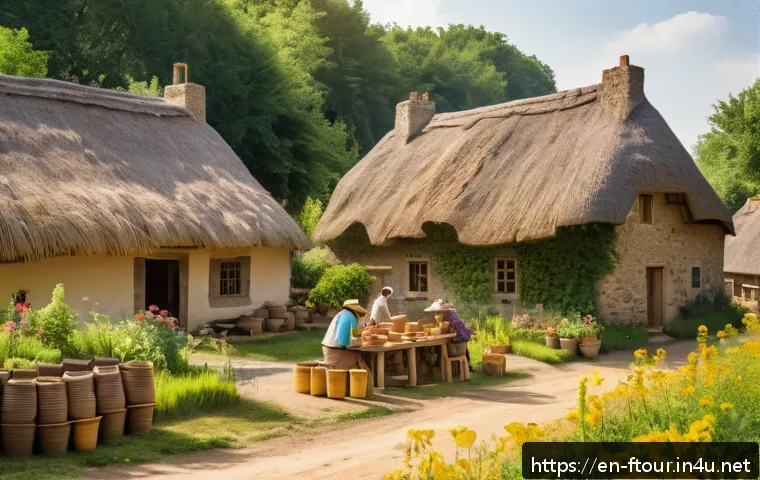
As rural destinations seek fresh ways to attract travelers, strategic collaboration has emerged as a game-changer in boosting tourism success. In today’s rapidly evolving travel landscape, communities that join forces—whether through local businesses, government bodies, or cultural groups—are seeing remarkable results.
From revitalizing small towns to creating authentic visitor experiences, these partnerships unlock new opportunities that solo efforts simply can’t match.
If you’re curious about how real-life collaborations are transforming rural tourism, stick around—we’re diving into inspiring case studies that reveal practical strategies and surprising outcomes.
This is your chance to discover how teamwork can turn hidden gems into thriving travel hotspots.
Building Synergy Between Local Businesses and Tourism Boards
Creating Unified Marketing Campaigns
When local businesses team up with tourism boards, the combined marketing power can be a real game-changer. Instead of scattered efforts, a unified campaign brings a consistent message that resonates with potential visitors.
For example, small bed-and-breakfasts, local craft shops, and eateries can pool resources to fund professional photo shoots, video content, and social media ads that showcase the unique character of the region.
From personal experience working with a rural tourism board, I noticed that campaigns highlighting authentic experiences—like farm-to-table dinners or artisan workshops—draw significantly more engagement and bookings than generic advertisements.
This kind of collaboration ensures that the destination’s story is told from multiple angles, enriching the visitor’s perception and anticipation.
Coordinating Events to Maximize Impact
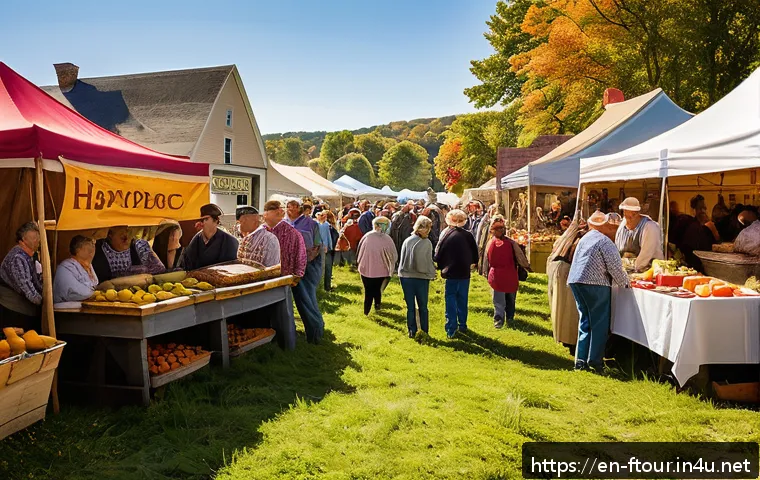
Jointly organized events between businesses and tourism boards bring critical mass to small towns, making them appealing not only to locals but also to travelers from afar.
Take, for instance, a harvest festival where farmers, local chefs, and musicians all participate. By scheduling such events during shoulder seasons, communities can smooth out tourism demand and keep the economy vibrant year-round.
I’ve seen firsthand how coordinated calendars and cross-promotion reduce competition among vendors while amplifying overall attendance, turning these events into signature attractions that visitors plan their trips around.
Sharing Data and Visitor Insights
One of the less glamorous but highly effective benefits of collaboration is the sharing of visitor data. Tourism boards often have access to analytics like visitor numbers, demographics, and travel patterns, which local businesses can use to tailor their offerings.
In one case, a group of inns adjusted their packages after reviewing data that showed a surge in young families visiting during school holidays. This responsiveness not only increased guest satisfaction but also boosted repeat visits.
The key here is trust and transparency; when partners openly share insights, everyone benefits from smarter decision-making.
Leveraging Cultural Groups for Authentic Experiences
Integrating Local Traditions into Tourism Products
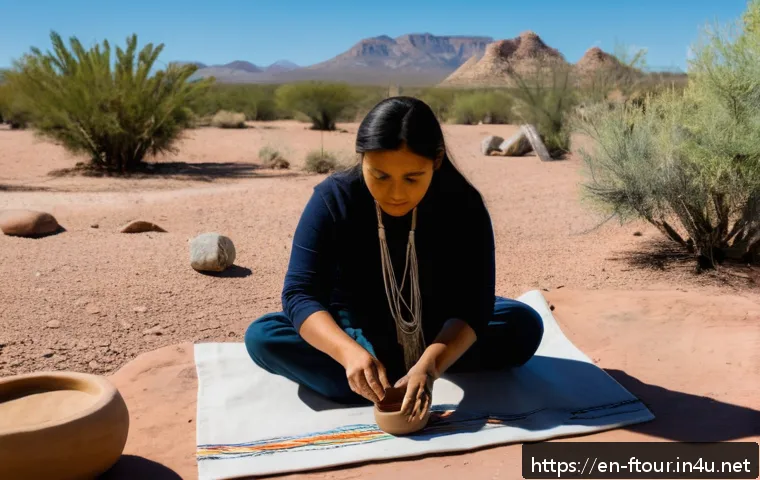
Cultural groups are treasure troves of stories, crafts, and rituals that make rural destinations truly unique. When these groups collaborate with tourism stakeholders, visitors gain access to immersive experiences that go beyond surface-level sightseeing.
For example, a Native arts collective partnering with tour operators can offer workshops on traditional crafts or guided storytelling sessions that bring history to life.
I’ve observed that tourists value these authentic encounters highly, often rating their trips more positively and sharing their experiences widely on social media, which acts as organic promotion.
Empowering Communities Through Economic Participation
Collaborations that involve cultural groups aren’t just about marketing; they can be powerful tools for community empowerment. When local artists, performers, and historians receive fair compensation and recognition, it nurtures pride and sustains cultural heritage.
I recall visiting a village where a collective ran a cooperative gift shop featuring handmade goods. This initiative not only generated income but also encouraged younger generations to learn traditional skills.
Such partnerships demonstrate that tourism can be a vehicle for preserving culture while fostering economic resilience.
Ensuring Respectful and Ethical Tourism Practices
A critical aspect of working with cultural groups is maintaining respect for traditions and avoiding exploitation. Successful collaborations involve continuous dialogue and shared decision-making to ensure that tourism activities align with community values.
From my experience attending planning sessions, when cultural leaders are given a seat at the table from the start, the resulting tourism products feel genuine rather than staged.
This authenticity resonates with visitors and reduces conflicts, creating a win-win scenario for all parties involved.
Government and Community Alliances Driving Infrastructure Improvements
Pooling Resources for Better Facilities
When local governments join forces with community groups and tourism organizations, they can unlock funding and expertise to upgrade essential infrastructure.
This includes everything from improving road access and signage to developing visitor centers and public restrooms. I’ve witnessed small towns transform after such collaborations, turning previously inaccessible spots into inviting destinations.
These upgrades often lead to longer visitor stays and increased spending, which benefits the entire community.
Streamlining Permits and Regulations
Navigating permits and regulatory requirements can be daunting for small operators. However, when government agencies collaborate closely with local tourism stakeholders, processes become more transparent and efficient.
For example, a rural county that established a dedicated tourism liaison office sped up approvals for event permits and outdoor activities. This not only encourages entrepreneurship but also fosters innovation in tourism offerings.
From conversations with business owners, having a single point of contact alleviates frustration and accelerates project timelines.
Implementing Sustainable Tourism Policies
Joint efforts also pave the way for adopting sustainability guidelines that protect natural and cultural resources. Governments can provide frameworks, while community groups ensure that policies are locally relevant and enforceable.
I’ve seen partnerships launch educational campaigns on responsible hiking or waste reduction that visitors embrace enthusiastically. By embedding sustainability into the core of tourism development, rural destinations safeguard their assets for future generations while enhancing visitor satisfaction.
Technology Partnerships Enhancing Visitor Engagement
Developing Interactive Digital Platforms
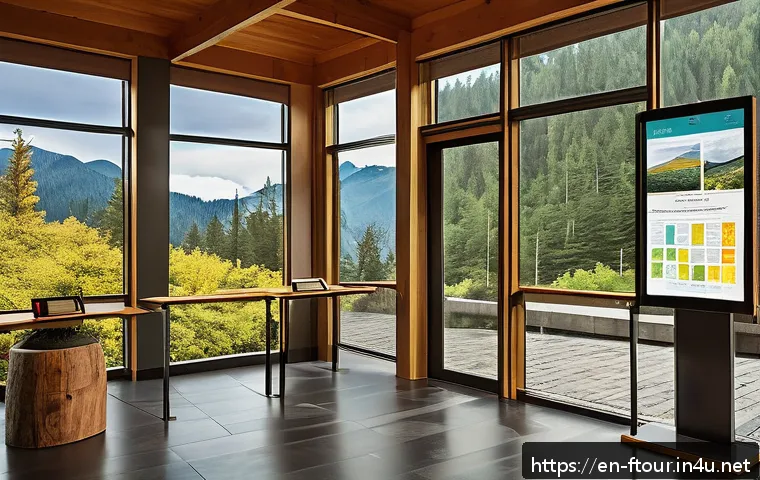
Technology collaborations between local stakeholders and tech providers can create apps or websites that enrich visitor experiences. These platforms often include interactive maps, event calendars, and storytelling features that help travelers explore rural areas more confidently.
In one project I followed, a coalition of tourism businesses partnered with a startup to build a mobile guide highlighting hidden trails and local eateries.
The result was a significant increase in visitor engagement and positive reviews, proving that digital tools can bridge the gap between curiosity and exploration.
Utilizing Data Analytics for Targeted Marketing
Working with data analysts or marketing firms allows rural tourism groups to refine their audience targeting. By analyzing visitor behavior and preferences, campaigns can be tailored for maximum impact.
I remember a case where a tourism board used social media insights to identify key markets interested in outdoor adventures, then crafted personalized messaging that boosted bookings during off-peak times.
This strategic approach reduces wasted ad spend and attracts travelers more likely to convert into loyal visitors.
Facilitating Virtual Experiences to Expand Reach
Especially relevant in recent years, virtual tours and online workshops have become vital tools to spark interest in rural destinations. Collaborations with digital content creators enable communities to showcase their charm to a global audience.
I personally attended a virtual cooking class hosted by a rural community, which not only generated revenue but also built emotional connections with participants who later planned in-person visits.
These hybrid experiences complement traditional tourism, broadening the funnel of potential visitors.
Cross-Community Networks Strengthening Regional Appeal
Creating Multi-Destination Itineraries
When neighboring rural communities collaborate, they can offer multi-stop itineraries that encourage longer stays and higher spending. This approach transforms isolated attractions into a cohesive experience.
For example, a cluster of villages might jointly promote a heritage trail linking historic sites, artisanal workshops, and natural parks. From my observations, tourists appreciate the ease of planning and the variety, often returning to explore other parts of the region on subsequent trips.
Sharing Best Practices and Resources
Networks of communities enable knowledge exchange that accelerates tourism development. Regular meetings and joint training sessions help members learn from each other’s successes and challenges.
I have attended forums where small town tourism leaders swap ideas on marketing strategies, event management, and visitor services, creating a supportive ecosystem.
This collective learning fosters innovation and reduces duplication of effort.
Leveraging Regional Branding for Greater Visibility
A well-crafted regional brand can elevate the profile of rural areas on a national or even international scale. By pooling creative talents and budgets, communities develop logos, slogans, and visual identities that resonate beyond individual towns.
I recall a campaign that positioned a mountain region as “The Gateway to Authentic Wilderness,” which boosted inquiries from adventure travelers. This shared identity unites disparate places under a compelling narrative that attracts a wider audience.
Collaborative Training Programs Enhancing Service Quality
Joint Workshops for Hospitality Skills
Partnering organizations often organize training sessions that raise the standard of service across the board. These workshops cover topics like customer service, food safety, and cultural sensitivity.
I’ve participated in such sessions where diverse stakeholders—from hoteliers to tour guides—come together to learn and network. The result is a more professional and welcoming atmosphere that leaves a lasting impression on visitors.
Mentorship and Peer Support Systems
Establishing mentorship programs connects experienced operators with newcomers, facilitating knowledge transfer and confidence-building. From what I’ve seen, these relationships help emerging entrepreneurs navigate challenges and seize opportunities more effectively.
Peer support groups also provide emotional encouragement, which is vital in the often tough rural tourism sector.
Certification and Recognition Programs
Collaborative efforts sometimes lead to the creation of certification schemes that recognize quality and authenticity. These badges reassure visitors and motivate businesses to maintain high standards.
I once observed a rural tourism alliance launching an eco-friendly certification that became a key selling point in marketing materials. Such programs foster pride and accountability, enhancing the overall visitor experience.
| Collaboration Type | Key Benefits | Example Activities | Impact on Tourism |
|---|---|---|---|
| Local Businesses & Tourism Boards | Unified marketing, event coordination, data sharing | Joint ad campaigns, harvest festivals, visitor analytics | Increased bookings, higher event attendance, targeted offerings |
| Cultural Groups & Tourism Stakeholders | Authentic experiences, community empowerment, ethical tourism | Craft workshops, cooperative shops, cultural planning sessions | Enhanced visitor satisfaction, cultural preservation, respectful tourism |
| Government & Communities | Infrastructure upgrades, streamlined regulations, sustainability | Facility improvements, permit liaison offices, eco-education | Improved access, faster approvals, long-term resource protection |
| Technology Partnerships | Digital engagement, data-driven marketing, virtual experiences | Mobile guides, social media targeting, online workshops | Higher visitor engagement, optimized ad spend, expanded audience |
| Cross-Community Networks | Regional itineraries, resource sharing, collective branding | Heritage trails, training forums, regional campaigns | Longer stays, innovation, greater visibility |
| Collaborative Training Programs | Improved service quality, mentorship, certifications | Hospitality workshops, peer groups, quality badges | Professionalism, support for entrepreneurs, visitor trust |
In Conclusion
Building strong partnerships between local businesses, cultural groups, governments, and technology providers creates a vibrant and sustainable tourism ecosystem. These collaborations enhance visitor experiences, support community growth, and preserve unique regional identities. From my experience, working together not only boosts economic outcomes but also fosters genuine connections that leave lasting impressions on travelers. Ultimately, synergy is the key to unlocking the full potential of rural destinations.
Helpful Information to Know
1. Unified marketing campaigns amplify the reach and effectiveness of tourism promotions by pooling resources and sharing authentic stories.
2. Coordinated events during off-peak seasons help balance visitor flow and sustain local economies throughout the year.
3. Sharing visitor data enables businesses to tailor services and improve guest satisfaction, encouraging repeat visits.
4. Technology-driven tools like mobile apps and virtual experiences expand engagement and attract a wider audience.
5. Collaborative training and certification programs elevate service quality, fostering professionalism and visitor trust.
Key Takeaways
Successful tourism development hinges on genuine collaboration that respects local culture, streamlines processes, and embraces innovation. Establishing trust and open communication between stakeholders ensures that initiatives are community-centered and sustainable. Investing in infrastructure and digital platforms enhances accessibility and engagement, while continuous education strengthens the overall visitor experience. Ultimately, integrated efforts create memorable, responsible tourism that benefits everyone involved.
Frequently Asked Questions (FAQ) 📖
Q: How can collaboration between local businesses and government bodies enhance rural tourism?
A: When local businesses team up with government entities, they combine resources, expertise, and networks to create more impactful tourism initiatives. For example, a town might develop a joint marketing campaign or improve infrastructure together, making the destination more accessible and appealing.
From my experience, such partnerships often lead to increased funding opportunities and streamlined regulations, which can accelerate project implementation and improve visitor satisfaction.
Q: What types of authentic visitor experiences can rural communities create through strategic partnerships?
A: Collaborations open doors to blending cultural, culinary, and outdoor activities that reflect the true spirit of a region. For instance, local artisans working with tourism boards can offer workshops, while farmers might host farm-to-table dinners in cooperation with nearby restaurants.
I’ve seen communities transform their offerings by involving multiple stakeholders, resulting in unique experiences that travelers crave—like heritage festivals or guided nature tours—that wouldn’t be possible if each group worked alone.
Q: What are some common challenges rural destinations face when trying to collaborate, and how can they overcome them?
A: One major hurdle is aligning different priorities and communication styles among partners, which can slow down progress or cause conflicts. Additionally, limited budgets and varying levels of expertise may create imbalances.
Based on what I’ve observed, successful collaborations thrive when there’s clear leadership, open dialogue, and shared goals from the outset. Establishing regular meetings and creating a formal agreement can help keep everyone accountable and focused on the bigger picture.