As rural tourism continues to gain momentum as a sustainable travel trend, more professionals are eager to master the skills needed to excel in this niche.

Whether you’re an aspiring guide or a seasoned traveler looking to deepen your expertise, getting certified can open doors to exciting opportunities. Lately, the demand for authentic, local experiences has surged, making this certification more relevant than ever.
In this post, I’ll share practical study tips and valuable resources that helped me navigate the certification process smoothly. Stick around if you want to transform your passion for rural tourism into a rewarding career!
Understanding the Core Concepts of Rural Tourism
Defining Rural Tourism and Its Unique Appeal
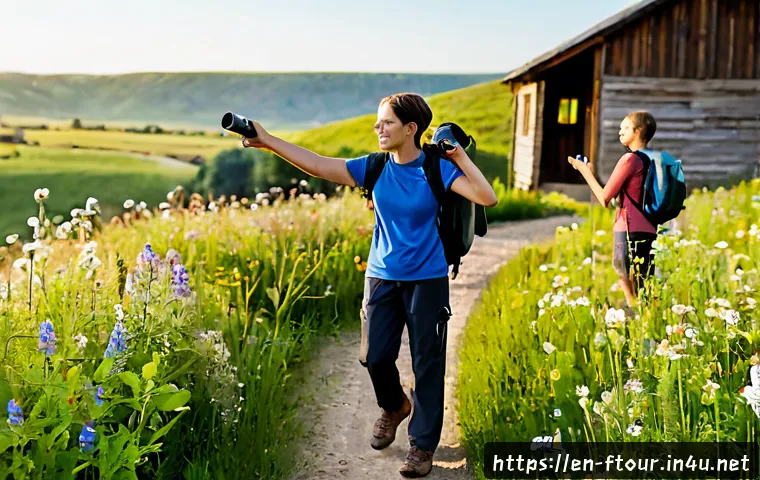
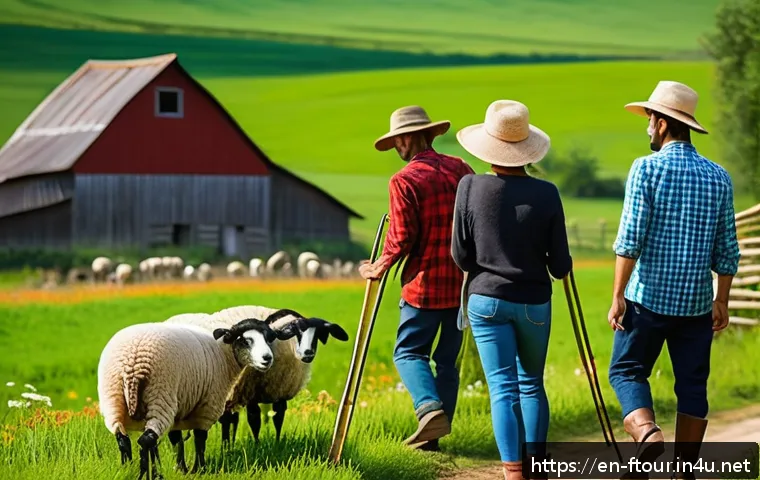
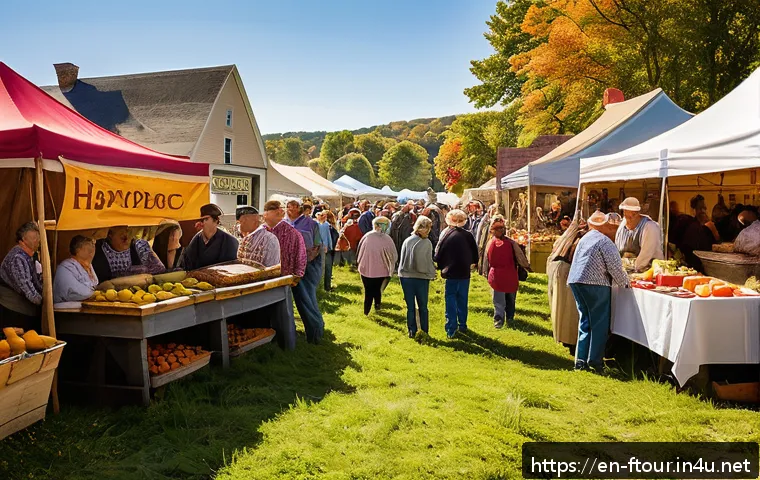
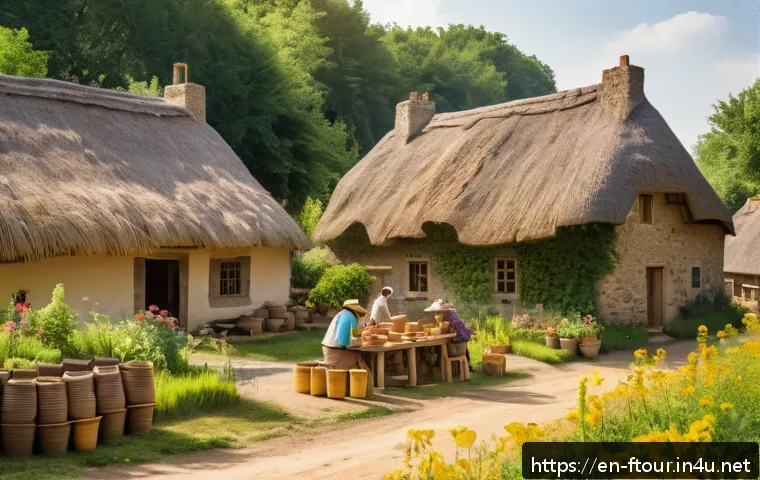
Rural tourism is all about immersing yourself in the authentic lifestyle, culture, and natural surroundings of countryside areas. Unlike urban tourism, it focuses on less commercialized, more tranquil environments where visitors can truly connect with local traditions and communities.
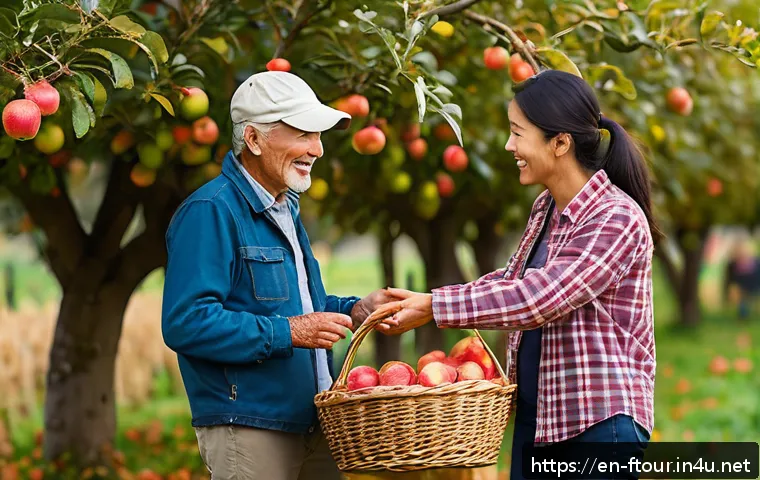
What fascinates me most is how this niche offers travelers a chance to step away from the hustle and bustle, experiencing slower-paced life, farm stays, and hands-on activities like harvesting or craft-making.
Grasping these fundamentals early on made it easier to understand how rural tourism fits into the bigger sustainable travel picture.
Key Principles Behind Sustainable Rural Tourism
Sustainability is the backbone of rural tourism, and learning about its environmental, economic, and social dimensions is critical. For example, protecting natural resources, supporting local economies by promoting small businesses, and respecting cultural heritage all come into play.
I found that understanding these principles not only helped me prepare for certification but also shaped how I interact with rural communities as a future guide.
It’s about creating a positive impact while offering meaningful experiences to visitors.
How Rural Tourism Benefits Host Communities
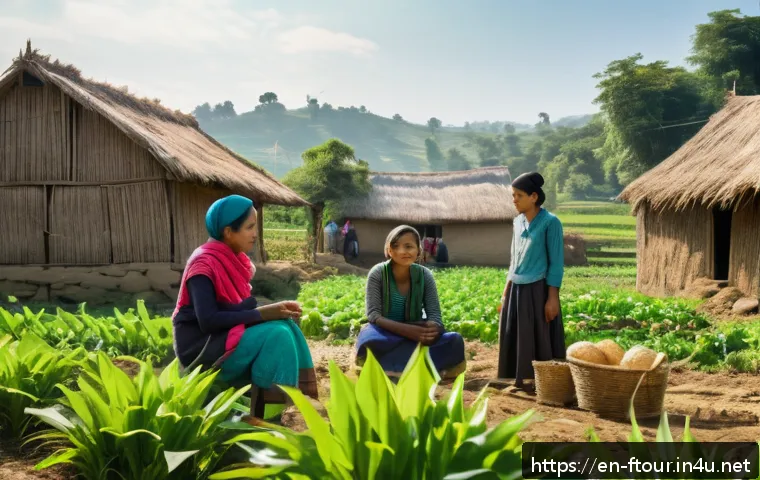
One of the most inspiring aspects I encountered is how rural tourism empowers communities. It opens income streams beyond traditional agriculture or seasonal work, often revitalizing fading villages.
The certification materials highlighted success stories where locals gained new skills, preserved their heritage, and improved infrastructure thanks to growing visitor interest.
This perspective made me appreciate the responsibility that comes with being a rural tourism professional — it’s not just a job, but a chance to contribute to lasting community development.
Effective Study Strategies for Certification Success
Creating a Realistic Study Schedule
Balancing work, travel, and study can be tricky, but setting a clear timeline was a game changer for me. Breaking down the syllabus into manageable chunks, I allotted specific hours each day for focused reading or practice.
Consistency mattered more than cramming, and even dedicating just 30 minutes daily made the material less overwhelming. Also, I scheduled regular reviews to reinforce knowledge, which proved invaluable during mock tests.
Utilizing Diverse Learning Materials
Relying on a single source isn’t enough when preparing for rural tourism certification. I mixed textbooks, online articles, videos, and webinars to cover all angles.
For instance, watching local tourism documentaries helped me visualize concepts better than dry texts alone. Engaging with forums and social media groups also exposed me to real-world challenges and solutions shared by other professionals, which enriched my understanding beyond theory.
Practice Through Mock Exams and Group Discussions
Taking mock exams was crucial for me to identify weak spots and get familiar with the test format. I recommend timing yourself strictly to build exam stamina.
Additionally, joining study groups created a dynamic environment where I could discuss tricky topics and exchange tips. These interactions simulated the collaborative nature of rural tourism work, where communication and problem-solving are key.
Essential Resources to Support Your Learning Journey
Recommended Books and Publications
A few well-chosen books can become your best friends during certification prep. Titles focusing on rural development, sustainable tourism management, and cultural heritage are particularly useful.
I personally enjoyed reading case studies that illustrated successful rural tourism projects worldwide, which not only helped me grasp concepts but also inspired my career goals.
Online Platforms and Courses
Digital learning platforms offer great flexibility and up-to-date content. I found platforms like Coursera and edX valuable for brushing up on sustainability and hospitality fundamentals.
Some specialized rural tourism courses also provide certification practice questions, which helped me gain confidence. Subscribing to newsletters from tourism organizations kept me informed about trends and policy changes.
Networking and Mentorship Opportunities
Connecting with experienced rural tourism professionals accelerated my progress. Whether through LinkedIn groups or local tourism boards, finding mentors who shared insights and feedback was a tremendous boost.
They helped me understand what examiners look for and shared practical tips for engaging tourists authentically. Don’t underestimate the power of learning from those already thriving in the field.
Mastering Local Culture and Geography for Authentic Experiences
Deep Dive into Regional Traditions
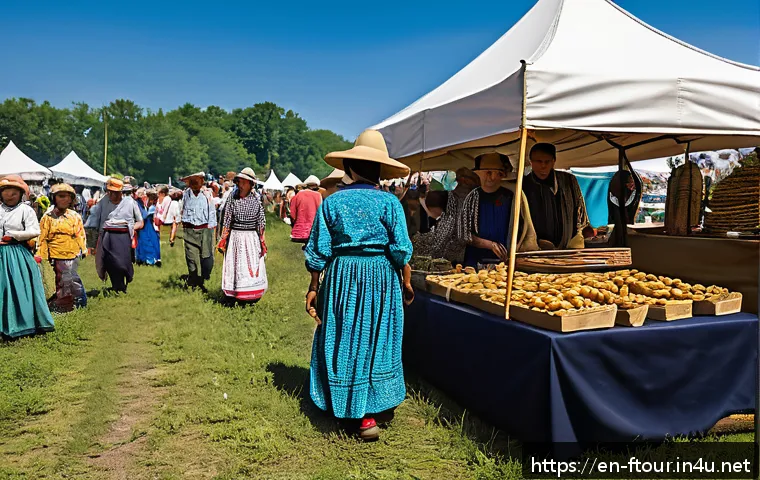
Knowing the local customs, festivals, and crafts in detail adds immense value to a rural tourism guide’s role. During my preparation, I made it a point to attend community events and interact with artisans.
This hands-on exposure allowed me to narrate stories with genuine passion, which visitors truly appreciate. Certification exams often test this cultural knowledge, so immersing yourself beyond textbooks is essential.
Geographical Familiarity and Environmental Awareness
Understanding the physical landscape — from topography to climate patterns — helps you plan better tours and ensure safety. I spent time studying maps and local environmental issues, which also aligned with sustainable tourism principles.
Knowing when and where to guide visitors can prevent ecological damage and enhance their overall experience.
Language and Communication Skills in Rural Settings
Effective communication is vital, especially when bridging language barriers or explaining nuanced cultural aspects. I practiced storytelling techniques and basic phrases in local dialects where possible.
This effort not only impressed visitors but also built trust with community members. Certification programs often emphasize these interpersonal skills as part of their evaluation.
Balancing Practical Experience with Theoretical Knowledge
Hands-On Training Through Internships or Volunteering
Nothing beats real-world experience when preparing for rural tourism certification. I took every opportunity to volunteer at farms and local guesthouses, learning on the job about customer service, logistics, and cultural etiquette.
These experiences made theoretical concepts tangible and highlighted challenges that textbooks might overlook.
Simulated Tour Planning and Delivery
Practicing tour design and guiding friends or peers helped me refine my approach. I experimented with different routes, storytelling styles, and activity pacing.
This trial-and-error process was invaluable in building confidence and adaptability — qualities that examiners and future clients highly value.
Reflective Learning and Continuous Improvement
After each practical session, I kept a journal to note what worked and what didn’t. Reflecting honestly on my strengths and weaknesses allowed me to set targeted goals for improvement.
This habit not only prepared me for the certification assessment but also set the foundation for lifelong professional growth.
Key Topics and Exam Preparation Overview
| Topic | Focus Areas | Study Tips | Resource Suggestions |
|---|---|---|---|
| Rural Tourism Concepts | Definitions, types, trends | Summarize key terms, create flashcards | Tourism textbooks, online glossaries |
| Sustainability Principles | Environmental, economic, social aspects | Case studies, real-world examples | Documentaries, NGO reports |
| Cultural and Geographic Knowledge | Local customs, landscapes, language | Field visits, language practice | Community workshops, travel blogs |
| Practical Skills | Tour planning, customer service | Mock tours, volunteer work | Internships, mentorship programs |
| Exam Techniques | Time management, question types | Mock exams, group study | Online practice tests, study groups |
Maintaining Motivation and Overcoming Challenges
Dealing with Study Fatigue and Burnout
Studying for certification can sometimes feel overwhelming, especially when juggling other responsibilities. I found that taking short breaks, switching study topics, and rewarding myself after milestones helped keep burnout at bay.
Sharing progress with a study buddy also made the journey feel less lonely.
Staying Inspired by Your Passion
Remembering why you started helps maintain motivation during tough phases. For me, envisioning the joy of guiding curious travelers through hidden gems kept my spirits high.
Keeping a vision board or a list of goals visible can remind you of the bigger picture.
Seeking Support When Needed
It’s okay to ask for help — whether from peers, mentors, or online communities. Whenever I hit a roadblock, reaching out for clarification or encouragement made a huge difference.
Certification isn’t just about individual effort; it’s a shared journey with a supportive network.
Conclusion
Embarking on a journey into rural tourism certification opens doors to meaningful experiences and community engagement. Understanding core concepts, balancing theory with practice, and staying motivated are key to success. With dedication and the right resources, anyone passionate about sustainable travel can thrive in this rewarding field.
Helpful Tips to Keep in Mind
1. Break your study sessions into small, consistent segments to avoid burnout and improve retention.
2. Engage with diverse learning materials like videos, articles, and real-life stories to deepen your understanding.
3. Connect with professionals and mentors to gain practical insights and support throughout your preparation.
4. Immerse yourself in local culture and geography to offer authentic and enriching experiences to travelers.
5. Practice communication and tour planning skills regularly to build confidence and adaptability for real-world scenarios.
Key Takeaways
Mastering rural tourism requires a holistic approach that blends sustainable principles with practical experience. Prioritize continuous learning, embrace community connections, and cultivate cultural sensitivity to make a positive impact. Remember, success lies not just in passing exams but in becoming a thoughtful guide who enriches both visitors and host communities alike.
Frequently Asked Questions (FAQ) 📖
Q: What are the key skills needed to get certified in rural tourism?
A: To succeed in rural tourism certification, focus on developing strong communication skills, in-depth local knowledge, and sustainability practices. You’ll need to understand the cultural, environmental, and historical aspects of rural areas to provide authentic experiences.
Additionally, skills in customer service, safety management, and storytelling help create memorable tours. From my own journey, immersing yourself in the community and practicing active listening really sharpened my ability to connect with travelers and locals alike.
Q: How can I effectively prepare for the rural tourism certification exam?
A: Preparing for the certification exam is all about consistent study and practical experience. I found that mixing theoretical learning with hands-on involvement—like volunteering with local tourism boards or joining guided tours—made a huge difference.
Use official study guides and online courses as a foundation, but don’t underestimate the power of real-world practice. Setting a study schedule, joining discussion groups, and reviewing case studies also helped me retain information better and boosted my confidence on test day.
Q: What opportunities open up after earning a rural tourism certification?
A: Once certified, a world of opportunities becomes accessible. You can work as a professional guide, develop your own rural tourism business, or collaborate with local farms and artisans to create unique packages.
Many certified professionals also find roles in sustainable tourism planning or community development projects. Speaking from experience, the certification not only enhanced my credibility but also expanded my network, leading to invitations for speaking engagements and partnerships that I hadn’t anticipated.
It truly transforms passion into a viable career path.