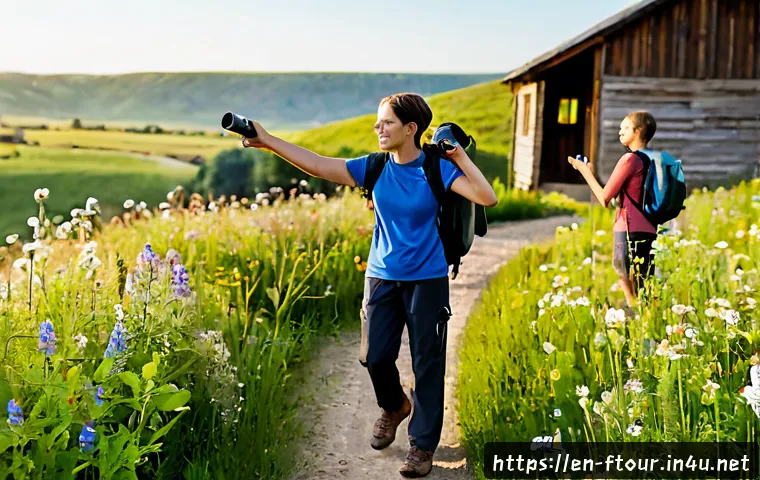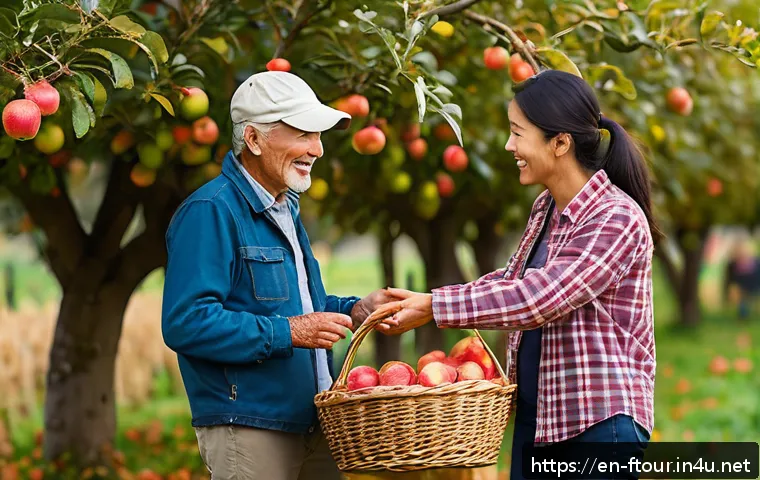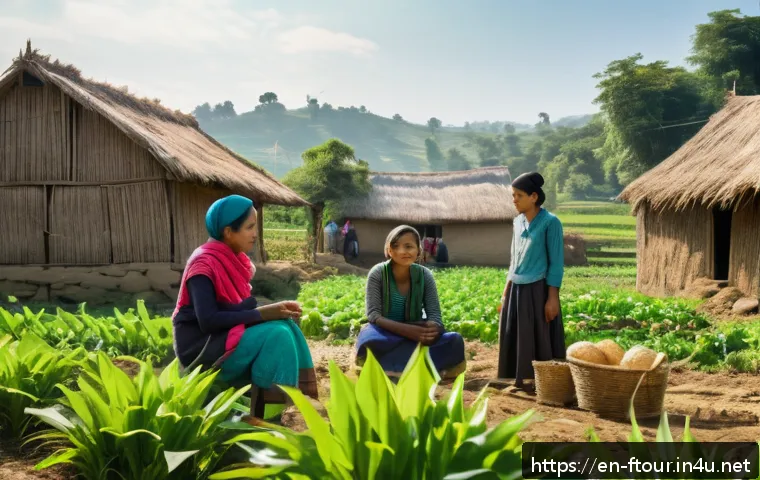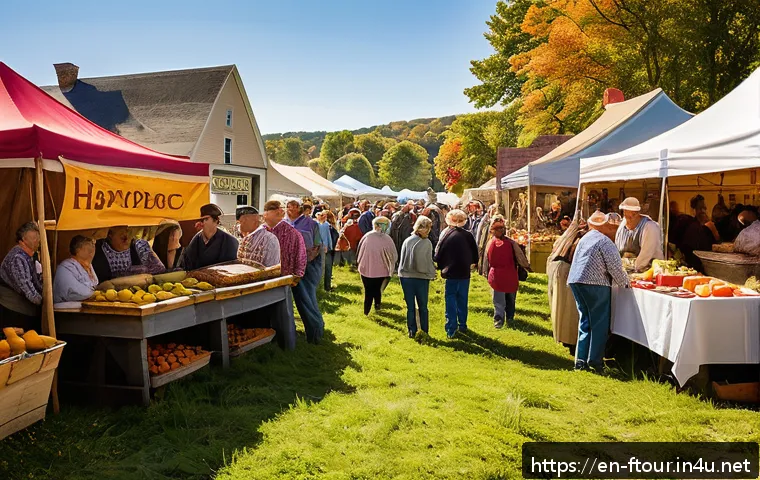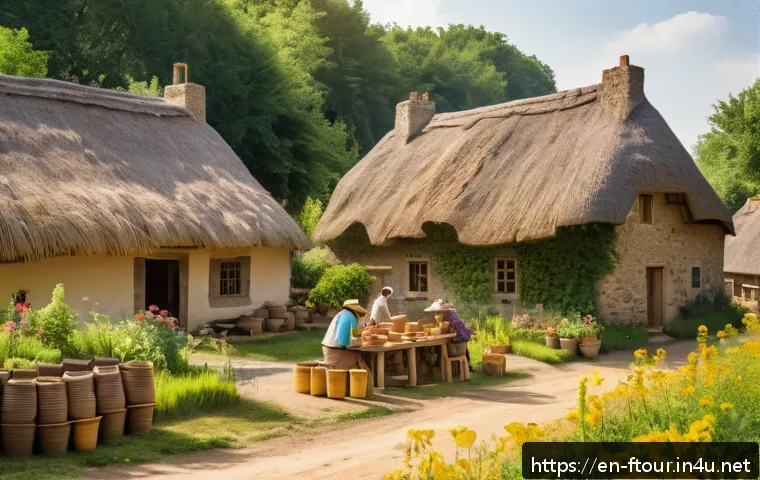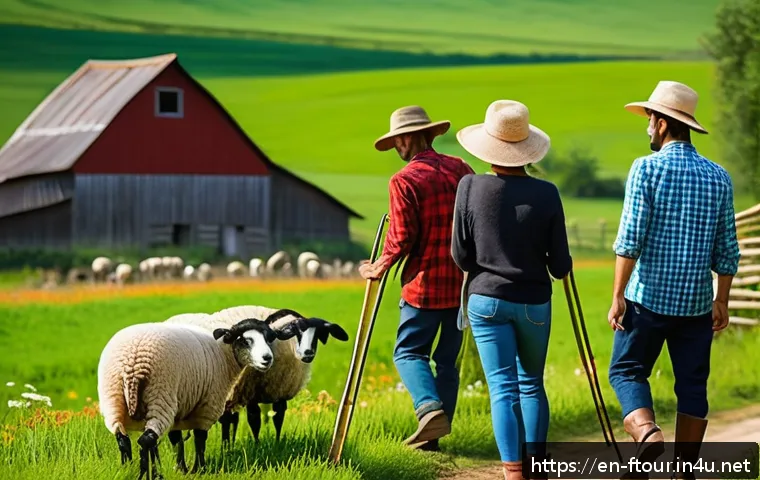
As the world increasingly seeks authentic travel experiences, rural tourism is emerging as a vibrant career avenue with promising opportunities. More travelers crave meaningful connections with nature and local culture, making rural tourism guides essential in bridging that gap.
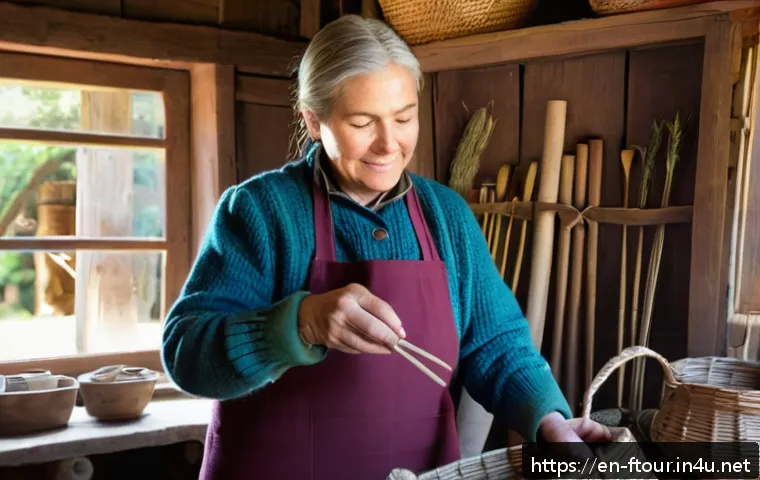
If you’ve ever wondered how to turn a passion for the outdoors and storytelling into a rewarding profession, this analysis sheds light on current trends and future prospects.
Let’s explore how this niche is evolving and why now might be the perfect time to consider a career guiding visitors through rural landscapes. Whether you’re curious about job availability, skills needed, or growth potential, this deep dive has you covered.
Stay tuned to uncover insights that could transform your career path.
Understanding the Growing Demand for Rural Tourism Guides
Shifting Traveler Preferences Towards Authentic Experiences
In recent years, there has been a noticeable shift in traveler behavior. More people are moving away from typical city tours and crowded tourist spots, seeking instead genuine experiences that immerse them in nature and local culture.
This trend directly benefits rural tourism guides, who serve as the essential link between visitors and the hidden gems of countryside life. Travelers want stories, personal connections, and a chance to feel the heartbeat of rural communities.
From farm-to-table experiences to traditional crafts, rural guides offer something city tours simply cannot replicate. This growing demand creates a fertile ground for those passionate about storytelling and the outdoors to thrive professionally.
Economic and Social Impact of Rural Tourism
Rural tourism is not just about leisure; it plays a crucial role in supporting local economies and preserving cultural heritage. By guiding visitors through farms, forests, and small villages, guides contribute to sustaining jobs and encouraging environmental conservation.
The multiplier effect of tourism dollars helps maintain infrastructure and supports small businesses like local eateries, artisans, and lodging providers.
Moreover, rural tourism fosters social cohesion by promoting pride in local traditions and crafts. For those considering this career, understanding the wider economic and social benefits adds a layer of fulfillment beyond the paycheck.
How Technology is Enhancing Rural Tourism Experiences
While rural tourism embraces nature and tradition, it is also benefiting from modern technology. Many guides now use apps and social media platforms to reach potential clients and share real-time updates.
Virtual reality previews and drone footage give travelers a glimpse of what to expect, increasing interest and bookings. GPS-based guided tours enhance safety and navigation, especially in remote areas.
This tech integration means rural tourism guides can offer richer, more interactive experiences, making the profession even more dynamic and appealing.
Essential Skills and Qualifications for Rural Tourism Guides
Communication and Storytelling Mastery
The backbone of rural tourism guiding is the ability to tell compelling stories that resonate with visitors. A good guide knows how to weave facts with anecdotes, humor, and local folklore to create memorable moments.
Communication skills extend beyond speaking well; they include listening to guests’ interests and adapting tours accordingly. Empathy and cultural sensitivity are equally vital, especially when guiding international travelers who may have different expectations or backgrounds.
Developing these skills often requires hands-on experience and a genuine passion for connecting with people.
Environmental and Cultural Knowledge
Guides must have in-depth knowledge of the local environment, wildlife, and cultural practices. This expertise allows them to answer questions confidently and educate visitors about conservation efforts, sustainable practices, and historical context.
Many rural tourism guides pursue certifications in environmental education or heritage interpretation to boost credibility. The ability to blend scientific facts with cultural narratives enriches the visitor experience and positions the guide as a trusted authority.
Safety and Emergency Preparedness
Working in rural or remote areas comes with unique risks, from sudden weather changes to wildlife encounters. Therefore, guides need solid training in first aid, navigation, and emergency protocols.
This preparedness ensures not only the safety of visitors but also boosts the guide’s confidence and professionalism. Many employers or tour operators require certifications in wilderness first aid and risk management, making these qualifications an important investment for career growth.
Job Market Landscape and Opportunities in Rural Tourism
Diverse Employment Settings and Roles
The rural tourism industry offers a variety of job settings beyond traditional guiding roles. Opportunities exist in eco-lodges, farm stays, cultural heritage sites, and adventure tourism companies.
Some guides work seasonally, while others find year-round positions depending on the region’s climate and tourism cycles. Freelance guiding is also an option for those who prefer flexibility and entrepreneurial control.
This diversity allows individuals to find niches that suit their lifestyle and interests, from bird watching tours to agritourism experiences.
Geographic Hotspots with High Demand
Certain regions have become hotspots for rural tourism, driven by natural beauty and cultural richness. Areas with national parks, vineyards, or historical villages tend to have higher demand for knowledgeable guides.
For example, in the United States, states like Montana, Vermont, and Oregon see a steady influx of tourists seeking rural adventures. Similarly, parts of Europe such as Tuscany or the Scottish Highlands attract visitors eager to explore countryside lifestyles.
Understanding these geographic trends helps job seekers target their applications effectively.
Challenges and Competitive Landscape
While opportunities abound, the rural tourism guide market is becoming increasingly competitive. The rise of online travel platforms means travelers can choose from a wide range of providers, raising the bar for quality and uniqueness.
Guides must differentiate themselves through specialized knowledge, certifications, or personalized service. Additionally, rural areas sometimes face infrastructure challenges that can affect tourism flow.
Navigating these obstacles requires adaptability and continuous learning to remain relevant and successful.
Income Potential and Career Growth in Rural Tourism
Average Earnings and Influencing Factors
Income for rural tourism guides varies widely depending on location, experience, and type of tours offered. On average, entry-level guides in the U.S.
might earn between $25,000 and $35,000 annually, while seasoned professionals with specialized skills can exceed $50,000 or more. Seasonal fluctuations are common, so many guides supplement income with related jobs such as event hosting or outdoor education.
Factors like language skills, certifications, and the ability to lead niche tours (e.g., wildlife tracking or culinary experiences) can positively impact earnings.
Opportunities for Advancement and Specialization
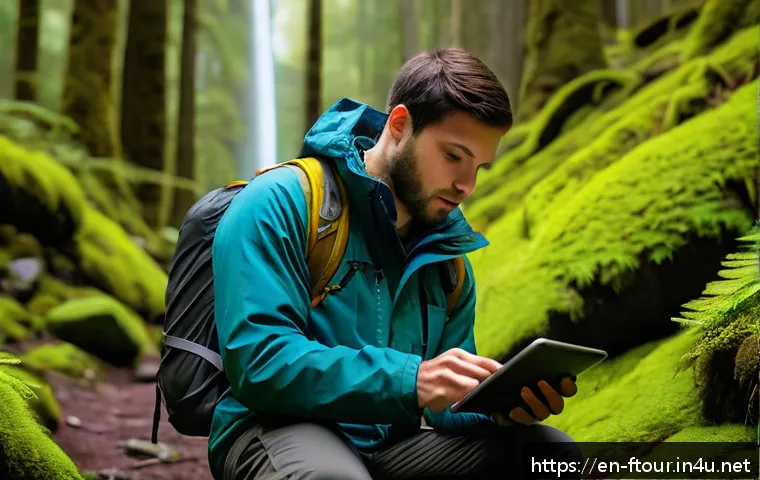
Career growth is very much possible within this field. Many guides evolve into tour operators, training instructors, or consultants for rural tourism development projects.
Specializing in areas like sustainable tourism, photography tours, or historical interpretation can open doors to higher-paying roles. Some pursue entrepreneurship by starting their own guiding businesses or partnering with local accommodations.
The key is continuous skill enhancement and networking within the tourism community.
Benefits Beyond Financial Rewards
While income is important, many rural tourism guides highlight non-monetary benefits as key reasons for staying in the profession. These include deep personal satisfaction from educating others, the joy of working outdoors, and the opportunity to preserve and share cultural heritage.
The social connections built with both locals and travelers often lead to lifelong friendships and meaningful experiences that money can’t buy.
Training Programs and Certification Paths for Aspiring Guides
Formal Education vs. On-the-Job Learning
Aspiring rural tourism guides face a choice between formal education and experiential learning. Many community colleges and universities offer tourism or hospitality programs with relevant modules.
However, a significant portion of skills is often acquired through hands-on experience, apprenticeships, or volunteering in rural tourism settings. Combining both approaches tends to produce the most effective guides, blending theoretical knowledge with practical know-how.
Popular Certification Programs and Their Benefits
Certification not only boosts credibility but can also expand networking opportunities and access to better job prospects. Programs like the Certified Interpretive Guide (CIG) or Wilderness First Aid courses are widely recognized in the industry.
Some regions have their own rural tourism guide certifications, which may be required by employers or local tourism boards. These credentials demonstrate commitment and expertise, helping guides stand out in a crowded market.
Continuing Education and Skill Development
The tourism industry is constantly evolving, so ongoing education is crucial. Workshops, webinars, and conferences focused on sustainability, digital marketing, and customer service are valuable for staying current.
Learning new languages or technology tools can also enhance a guide’s appeal to diverse clientele. Investing in continuous learning not only improves job performance but also opens doors to leadership roles and entrepreneurship.
Key Market Trends Shaping the Future of Rural Tourism
Eco-Friendly and Sustainable Tourism Practices
Sustainability is no longer a buzzword but a core value shaping rural tourism. Travelers increasingly seek eco-conscious options that minimize environmental impact and support local communities.
Guides who promote responsible tourism practices, such as waste reduction and cultural respect, attract a loyal customer base. This trend also aligns with global movements toward conservation, making rural tourism a meaningful and impactful career choice.
Integration of Wellness and Outdoor Activities
The wellness tourism segment is booming, and rural areas are prime locations for yoga retreats, meditation sessions, and nature therapy. Guides who can combine storytelling with wellness activities create unique, holistic experiences.
This integration broadens the appeal of rural tourism to health-conscious travelers looking for more than just sightseeing. It also provides guides with new ways to diversify their offerings and income streams.
Rise of Personalized and Small-Group Tours
Travelers today prefer intimate, customized experiences over large group tours. Small groups allow for deeper engagement with the environment and local culture, which aligns perfectly with rural tourism’s strengths.
Guides who specialize in personalized tours can charge premium rates and build strong client relationships. This trend encourages creativity and flexibility, enabling guides to tailor every aspect of the journey to individual preferences.
Comparative Overview of Rural Tourism Guide Careers
| Aspect | Entry-Level Guide | Experienced Guide | Specialist/Entrepreneur |
|---|---|---|---|
| Annual Income | $25,000 – $35,000 | $40,000 – $55,000 | $60,000+ |
| Typical Work Setting | Local farms, small tour companies | National parks, eco-lodges, larger operators | Own business, niche markets |
| Required Skills | Basic communication, local knowledge | Advanced storytelling, safety certifications | Business acumen, marketing, specialized expertise |
| Job Security | Seasonal, dependent on tourism cycles | More stable, repeat clients | High risk but high reward |
| Career Growth Potential | Limited without further training | Opportunities for leadership or training roles | Potential for expansion and diversification |
Conclusion
Rural tourism guiding offers a unique blend of adventure, cultural immersion, and meaningful work. As traveler preferences evolve, the role of knowledgeable and passionate guides becomes increasingly vital. Whether you’re drawn by the love of nature, storytelling, or community impact, this career path holds promising opportunities. Embracing continuous learning and adaptability will help you thrive in this dynamic field.
Helpful Information to Keep in Mind
1. Building strong communication and storytelling skills is key to engaging travelers and creating memorable experiences.
2. Gaining certifications in environmental education and first aid enhances your credibility and safety preparedness.
3. Exploring diverse work settings, from eco-lodges to farm stays, can help you find the best fit for your lifestyle.
4. Staying updated on sustainable tourism trends and technology will make your offerings more attractive and relevant.
5. Networking with local communities and tourism professionals opens doors to career growth and specialization.
Key Takeaways
Success as a rural tourism guide depends on a combination of passion, expertise, and adaptability. Understanding the economic and social impact of your role adds deeper meaning to your work. Investing in continuous education and certifications improves your marketability and safety skills. Embracing technology and sustainable practices will keep you competitive and aligned with traveler expectations. Finally, flexibility in job settings and specialization can greatly enhance both your income potential and job satisfaction.
Frequently Asked Questions (FAQ) 📖
Q: uestions about a Career in Rural Tourism GuidingQ1: What skills are essential to become a successful rural tourism guide?
A: To thrive as a rural tourism guide, strong communication skills are a must—you’ll need to tell engaging stories that connect travelers with the local culture and natural environment.
Additionally, having a deep knowledge of the area’s history, flora, fauna, and customs enhances credibility and enriches the visitor experience. Practical skills like first aid, navigation, and basic language abilities (especially if guiding international visitors) also come in handy.
From my experience, being personable and adaptable makes a huge difference when handling diverse groups and unexpected situations on the trail.
Q: How promising is the job market for rural tourism guides in the coming years?
A: The demand for authentic, off-the-beaten-path travel experiences has been steadily growing, especially post-pandemic, as more people seek nature and cultural immersion over crowded urban spots.
This trend points to expanding opportunities for rural tourism guides worldwide. Many regions are investing in sustainable tourism to boost local economies, creating more jobs and training programs.
While competition exists, guides who bring unique knowledge, passion, and professionalism tend to secure steady work and even premium rates. So, if you love the outdoors and connecting with people, the timing looks very favorable.
Q: What are some challenges faced by rural tourism guides and how can they be overcome?
A: One common challenge is seasonality—many rural areas have peak and off-peak periods, which can affect income stability. Weather unpredictability and limited infrastructure can also pose difficulties.
To manage these, diversifying your offerings, such as combining hiking with cultural workshops or local food tastings, helps maintain interest year-round.
Building strong relationships with local communities and tourism boards can open doors to partnerships and support. Personally, I found that continuous learning and networking within the rural tourism sector are key to adapting and thriving despite these hurdles.