Top 7 Must-Read Books for Mastering Rural Tourism Expertise

webmaster

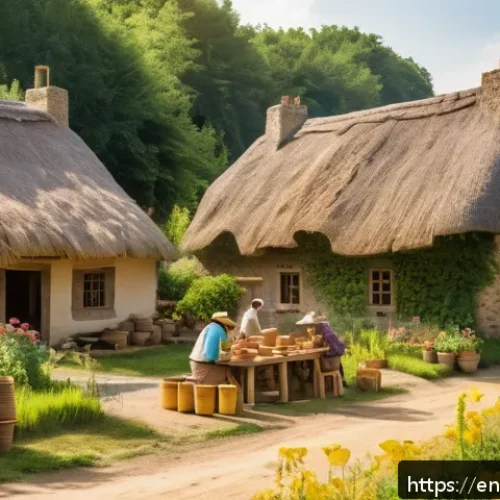
농촌관광지도사 전문 서적 추천 - A serene rural village scene during golden hour, featuring traditional stone cottages with thatched ...

Exploring rural tourism has become a fascinating journey for many seeking authentic experiences away from the urban hustle. Whether you’re an aspiring guide or simply passionate about countryside adventures, having the right resources can make all the difference.

농촌관광지도사 전문 서적 추천 관련 이미지 1

Specialized books on rural tourism not only deepen your understanding but also equip you with practical knowledge to enhance visitor experiences. With the growing interest in sustainable travel and cultural immersion, these expert guides are more relevant than ever.

If you’re curious about which books stand out and why they matter, you’re in the right place. Let’s dive deeper and uncover the best picks for rural tourism professionals!

Understanding the Foundations of Rural Tourism

Defining Rural Tourism and Its Unique Appeal

Rural tourism isn’t just about visiting countryside areas; it’s an immersive experience that connects travelers with the authentic lifestyle, culture, and natural environment of rural communities.

What makes it so special is its slower pace and the chance to witness traditional farming, artisan crafts, and local festivals firsthand. From my own visits to small villages, I noticed how travelers often leave with a deeper appreciation for simplicity and sustainability.

This is why books emphasizing the roots and philosophy behind rural tourism are invaluable—they provide context that goes beyond sightseeing, helping guides and enthusiasts promote meaningful engagement.

Key Principles for Sustainable and Ethical Rural Tourism

Sustainability is at the heart of rural tourism. Unlike mass tourism, rural tourism thrives on preserving the environment and supporting local livelihoods.

The best books on this topic highlight practical strategies like minimizing waste, respecting wildlife, and ensuring that tourism benefits the community economically and socially.

I’ve seen small farms that turned their operations around by adopting eco-friendly tourism practices, which not only attracted visitors but also boosted local pride.

For anyone guiding tours or developing rural tourism products, understanding these principles is crucial to avoid the pitfalls of over-tourism and cultural exploitation.

Essential Skills for Rural Tourism Guides

Guiding in rural settings demands a diverse skill set—beyond just knowledge of the area. Effective communication, storytelling, and cultural sensitivity are key.

Reading specialized books that share real-life scenarios and tips for managing groups in rustic environments helps a lot. For example, I remember a guide who used storytelling to make a simple farm tour feel like a journey through history, which made the experience unforgettable for visitors.

These resources often cover how to handle unexpected weather, engage different age groups, and even promote local products tactfully, which can elevate the quality of the tour immensely.

Advertisement

Exploring Local Culture and Traditions Through Literature

The Role of Folklore and Oral Histories in Rural Tourism

One of the richest aspects of rural tourism is its cultural heritage, often preserved through stories passed down generations. Books that compile folklore and oral histories give guides and travelers a treasure trove of material to enrich tours.

When I incorporated local legends into my visits, the guests were visibly more engaged, asking questions and sharing their own reflections. These cultural narratives provide depth, turning a simple walk through a village into an evocative cultural journey.

Traditional Crafts and Culinary Experiences

Rural areas are often hubs for unique crafts and food traditions, which are perfect highlights for tourism. Guides benefit greatly from books that detail the history, techniques, and significance of these practices.

I once read a guidebook explaining the process behind a regional cheese-making tradition, which I used to enhance a farm tour. Sharing such insider knowledge not only educates visitors but also encourages support for local artisans and producers, creating a positive economic impact.

Respecting and Preserving Cultural Integrity

It’s essential that rural tourism promotes respect rather than commodification. Expert books discuss how to balance showcasing culture while avoiding stereotypes or disruption of daily life.

From personal experience, I’ve learned that engaging local communities as active partners—not just attractions—makes a huge difference. Literature that addresses ethical tourism practices helps guides foster genuine connections and ensures the community benefits long-term.

Advertisement

Practical Guides for Designing Memorable Rural Tourism Experiences

Planning Itineraries that Highlight Natural and Cultural Assets

Successful rural tourism depends on well-thought-out itineraries that mix nature, culture, and relaxation. I’ve found that books offering sample itineraries and tips for timing and pacing are incredibly helpful.

For instance, including a morning hike followed by a visit to a local farm and ending with a communal meal creates a balanced and memorable day. These guides often suggest how to tailor experiences for different visitor types, from families to adventure seekers.

Managing Logistics in Remote Areas

One challenge in rural tourism is dealing with limited infrastructure and unexpected issues like weather or transportation delays. Books that address these realities with practical advice on contingency planning, local partnerships, and safety protocols are essential.

I recall a tour where a sudden rainstorm threatened to cancel activities, but having a backup plan from a guidebook allowed us to switch seamlessly to an indoor craft workshop.

Such readiness boosts visitor satisfaction and safety.

Marketing Rural Tourism in the Digital Age

Attracting visitors requires smart marketing, and specialized books often include chapters on using social media, storytelling, and community branding.

From my own attempts, I noticed that highlighting authentic experiences and local voices resonates more than generic ads. Guides who learn how to craft compelling narratives and leverage online platforms can expand their reach significantly, turning occasional visitors into loyal fans.

Advertisement

Integrating Nature and Outdoor Activities in Rural Tourism

Eco-Trails and Wildlife Observation

Nature is a core attraction in rural tourism. Books that guide readers on creating eco-trails and wildlife-watching tours provide insight into balancing visitor access with habitat protection.

I personally enjoyed a guide that suggested simple trail markers and educational signage, which enhanced the visitor experience while protecting fragile ecosystems.

These resources also stress the importance of training guides to interpret natural features meaningfully, enriching the visitor’s connection to the environment.

Adventure Tourism Opportunities in Rural Areas

Rural tourism doesn’t have to be slow-paced. Adventure activities like horseback riding, kayaking, or mountain biking are increasingly popular. Specialized literature offers advice on safely integrating these into rural settings and ensuring they complement rather than overshadow cultural experiences.

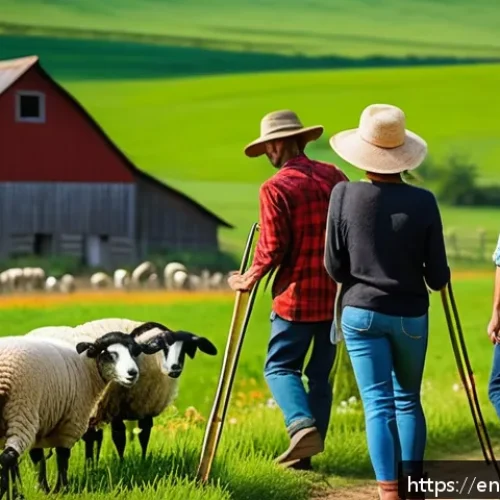
농촌관광지도사 전문 서적 추천 관련 이미지 2

I’ve seen small tour operators successfully diversify their offerings by combining adventure with cultural stops, appealing to a broader audience and increasing revenue.

Promoting Health and Wellness Tourism

Another growing trend is rural health and wellness tourism, focusing on retreats, organic food, and natural therapies. Books that explore how to develop and market wellness packages can inspire guides and entrepreneurs to tap into this niche.

I tried incorporating yoga sessions and organic cooking classes into a rural itinerary, and guests responded enthusiastically. These resources often discuss certification and quality standards, which are key for building trust with health-conscious travelers.

Advertisement

Technology and Innovation in Rural Tourism

Utilizing Mobile Apps and Virtual Tours

Technology might seem out of place in rural tourism, but well-designed apps can enhance the visitor experience by providing self-guided tours, maps, and local information.

I experimented with a simple app during a farm stay that offered daily activity suggestions and cultural facts, which guests found very helpful. Books that explore digital tools for rural tourism emphasize usability and accessibility, ensuring technology supports rather than detracts from the authentic experience.

Data-Driven Approaches to Visitor Management

Understanding visitor behavior and preferences through data can help tailor rural tourism offerings. Some expert books introduce methods to collect and analyze feedback, booking trends, and environmental impact data.

I recall using survey tools suggested in a guidebook to improve a rural tour’s schedule and amenities, which led to higher satisfaction scores. Incorporating data-driven insights enables continuous improvement and sustainable growth.

Innovative Storytelling Techniques for Engagement

Storytelling remains central, but technology offers new ways to captivate audiences—such as augmented reality or immersive audio guides. Books highlighting these innovations showcase how rural tourism can blend tradition with modernity.

I attended a workshop where augmented reality was used to recreate historical village scenes during a walking tour, and it was incredibly engaging. These technologies, when thoughtfully applied, can deepen visitor immersion without compromising authenticity.

Advertisement

Economic Impact and Community Development Through Rural Tourism

Creating Local Employment and Entrepreneurship

Rural tourism can be a powerful engine for job creation and small business growth. Books that detail case studies of successful community-led tourism projects provide inspiration and practical steps.

I’ve seen communities start cooperatives for guiding, lodging, and handicrafts after learning from such resources, resulting in improved livelihoods and reduced urban migration.

Revenue Sharing and Fair Trade Principles

Ensuring that tourism income benefits the entire community requires transparent systems. Expert literature often discusses models of revenue sharing, fair pricing, and reinvestment in local infrastructure.

I once helped a village set up a fund where a portion of tour fees supported school improvements, an approach I learned from a guidebook. This fosters goodwill and long-term sustainability.

Measuring and Communicating Social Benefits

Beyond money, rural tourism can strengthen community identity and pride. Books on impact assessment suggest ways to measure social and cultural benefits and communicate them to stakeholders.

I found that sharing stories of positive change with visitors and funders helped build trust and support. These insights are essential for guides and planners who want to demonstrate the true value of rural tourism.

Advertisement

Comparison of Top Rural Tourism Books and Their Focus Areas

Title Main Focus Strengths Ideal For
“Sustainable Rural Tourism: Principles and Practices” Sustainability, community engagement Comprehensive strategies, case studies Tour operators, community planners
“The Rural Guidebook: Culture and Experience” Cultural heritage, storytelling Rich folklore, practical tour tips Tour guides, cultural enthusiasts
“Outdoor Adventures in Rural Settings” Adventure tourism, nature trails Activity planning, safety advice Adventure tour operators, guides
“Tech Innovations for Rural Tourism” Digital tools, visitor engagement Tech integration, data-driven insights Tourism marketers, tech-savvy guides
“Economic Empowerment through Rural Tourism” Community development, revenue models Case studies, fair trade principles Policy makers, local leaders
Advertisement

Closing Thoughts

Rural tourism offers a unique blend of cultural immersion, natural beauty, and community connection that enriches both visitors and locals alike. By embracing sustainable practices and respecting local traditions, we can ensure these experiences remain authentic and beneficial for years to come. Whether you are a guide, traveler, or planner, understanding these foundations helps create meaningful and memorable journeys.

Advertisement

Useful Tips to Keep in Mind

1. Prioritize sustainability by supporting eco-friendly practices and local economies to preserve rural environments and cultures.

2. Use storytelling and cultural narratives to deepen visitor engagement and make tours more memorable.

3. Prepare flexible itineraries that balance adventure, relaxation, and cultural exploration to appeal to diverse visitor interests.

4. Leverage digital tools thoughtfully to enhance visitor experiences without compromising authenticity.

5. Foster strong community partnerships to ensure tourism benefits are shared fairly and contribute to long-term development.

Advertisement

Key Takeaways

Successful rural tourism hinges on respecting the delicate balance between welcoming visitors and preserving the integrity of local culture and environment. Guides and planners should equip themselves with practical skills, cultural knowledge, and sustainability principles to create authentic, impactful experiences. Embracing innovation while maintaining ethical standards ensures that rural tourism remains a positive force for community growth and visitor enrichment alike.

Frequently Asked Questions (FAQ) 📖

Q: What are the must-read books for someone starting out in rural tourism?

A: For beginners, books like “Rural Tourism and Sustainable Business” by Alison Smith and “The Handbook of Rural Tourism” by Neil Carr are fantastic starting points.
These guides offer a balanced mix of theory and practical tips, helping you understand the core concepts and how to apply them in real-world settings.
From my own experience, having a solid foundation in sustainability and community engagement early on makes a huge difference in creating authentic visitor experiences.

Q: How can specialized rural tourism books help improve visitor engagement?

A: These books often provide deep insights into local cultures, traditions, and natural environments, which are key to crafting meaningful experiences. They include case studies and storytelling techniques that help you connect visitors emotionally to the place.
I’ve personally found that applying storytelling elements learned from these resources transformed my tours from simple sightseeing trips into memorable journeys that guests rave about long after.

Q: Why is focusing on sustainability important in rural tourism literature?

A: Sustainability is the backbone of successful rural tourism because it ensures that the natural and cultural resources remain intact for future generations.
Expert books emphasize practices that balance economic benefits with environmental care and community well-being. From firsthand involvement, I can say that adopting sustainable methods not only attracts a growing segment of eco-conscious travelers but also builds trust and respect with local communities, which is priceless for long-term success.

📚 References


➤ Link

– Google Search

➤ Link

– Bing Search

➤ Link

– Google Search

➤ Link

– Bing Search

➤ Link

– Google Search

➤ Link

– Bing Search

➤ Link

– Google Search

➤ Link

– Bing Search

➤ Link

– Google Search

➤ Link

– Bing Search

➤ Link

– Google Search

➤ Link

– Bing Search

➤ Link

– Google Search

➤ Link

– Bing Search

➤ Link

– Google Search

➤ Link

– Bing Search