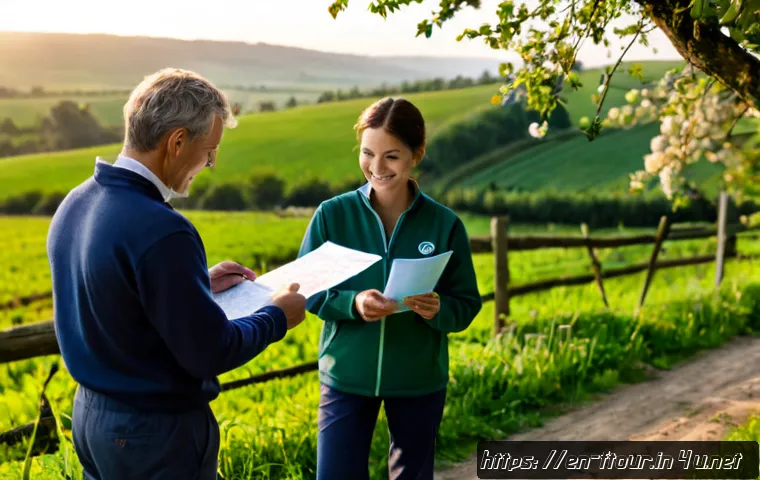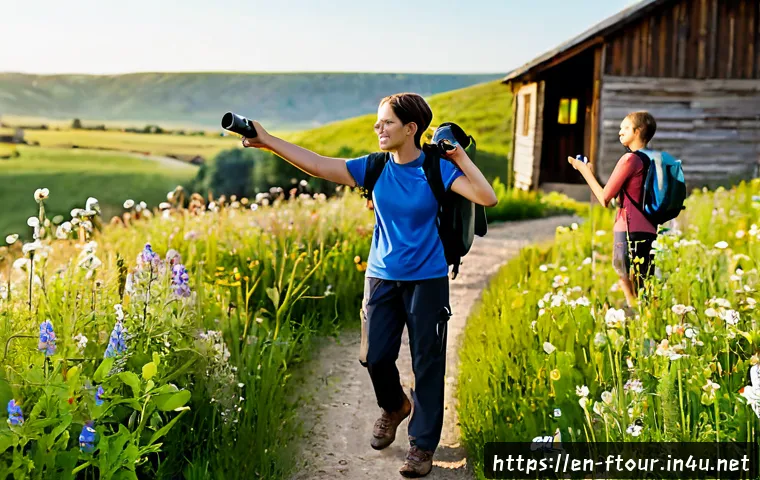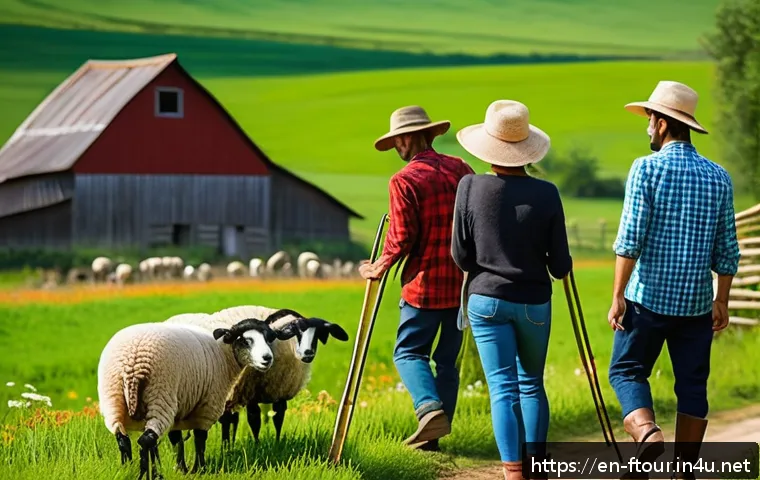
Rural tourism guiding is less about attracting the largest possible crowd and more about delivering safe, respectful, well-managed experiences. The strongest model is the one that matches your local permissions, risk level, seasonal demand, and relationships with farms, residents, or tourism partners.
Before investing in promotion, compare guide training, liability insurance, booking software, and partnership terms. Visitors value clear information, reliable communication, and an experience that feels genuinely connected to the place.
A small, well-prepared tour can build more trust than an ambitious offer that exceeds your capacity. Local rules and insurance obligations should always be checked for the exact activity and location.
At a Glance
- Safety, local trust, and dependable operations matter more than simply attracting visitors.
- Rural tours need clear boundaries around weather, terrain, animals, food, transport, and group capacity.
- Independent guiding, operator partnerships, and cooperative models each involve different levels of control, risk, and revenue sharing.
| Operating Model | Control | Risk and Administration | Best Fit |
|---|---|---|---|
| Independent guide | High control over the route, story, schedule, and guest communication | You may need to manage bookings, insurance questions, permissions, and cancellations directly | Guides with strong local knowledge and manageable tour capacity |
| Tour operator partnership | Shared control; the operator may set booking and service standards | Terms, guest communication, responsibilities, and revenue sharing should be clarified | Guides seeking established distribution and operational support |
| Local cooperative model | Shared planning with farms, lodging providers, and community organizations | Coordination takes time, but responsibilities can be distributed across partners | Community-led experiences involving several local businesses or sites |
The Core Challenge: Creating Memorable Tours Without Overpromising
A rural tourism guide needs to turn a real place into an enjoyable visitor experience without treating that place as a stage set. Farm visits, nature activities, food experiences, heritage interpretation, and community-led tours can be appealing because they feel personal. But visitors still expect practical information, good communication, and a clear sense of what is included.
What Visitors Expect From a Rural Experience
Guests may want scenery, local food, animal encounters, a working-farm perspective, or a slower pace than they find in cities. They also need to know what the day actually involves. Explain walking conditions, likely weather exposure, meeting arrangements, available facilities, and whether the activity is suitable for their needs. Accurate listings reduce disappointment before a booking is made.
Why Local Authenticity and Clear Boundaries Must Work Together
Authenticity does not mean unrestricted access. A working farm may have machinery, active work areas, biosecurity concerns, or private spaces. A heritage walk may cross land with use restrictions. A guide should explain what guests can see and do while respecting the venue’s boundaries. Do not promise access to areas, activities, or stories that a local partner has not approved.
Three Priorities: Safety, Trust, and Realistic Capacity
Safety begins before guests arrive. Trust grows when the description matches the experience. Realistic capacity protects both visitors and hosts. Small rural operators often depend on advance reservations, practical group limits, and clear cancellation terms. A full schedule is not useful if it disrupts a farm, overwhelms a trail, or prevents the guide from responding to questions and changing conditions.
Compare Operating Models Before Investing Time and Money
Choosing a guiding model early can prevent unnecessary spending on marketing services, booking systems, or training that does not fit your role. The right choice depends on who owns the experience, who manages guests, and who carries each operational responsibility.
Independent Guide Versus Tour Operator Partnership
An independent guide has more freedom to shape the route, pace, and interpretation. In return, that guide may need to handle reservations, guest messages, payment processes, cancellation policies, and local compliance checks. A tour operator partnership can provide access to bookings and established service processes, but it may also involve standards, revenue-sharing arrangements, or limits on how the experience is delivered.
Before accepting a partnership, ask who handles the booking confirmation, emergency communication, guest complaints, and schedule changes. Also ask whether the operator expects you to hold particular guide qualifications, first-aid credentials, permits, or liability insurance. Requirements vary by country, region, state, and activity type.
Working With Farms, Lodging Providers, and Local Visitor Organizations
Local businesses can make a rural experience easier to find and more useful to travelers. A lodging provider may refer guests looking for nearby activities. A farm may provide the setting and operational knowledge. A visitor organization may help communicate seasonal events or transport information. However, every partner needs to understand the tour schedule, expected group behavior, access limits, and cancellation process.
A simple written agreement can help clarify what each party provides. It does not need to make legal claims beyond your knowledge, but it should identify practical points such as meeting location, guest capacity, access rules, communication contacts, and what happens when weather changes the plan.
Cost, Control, Liability, and Revenue-Sharing Comparison
Do not choose a model based only on the apparent share of booking revenue. Lower administrative work may be valuable if it gives you more time to guide well. On the other hand, giving up too much control can create problems if an outside partner describes the experience inaccurately. Compare control, guest access, operating workload, insurance responsibilities, and revenue-sharing terms together.
Manage Safety, Permissions, and Guest Expectations
Rural settings can involve uneven terrain, changing weather, animals, machinery, food handling, and transport. These elements may be part of the appeal, but they should never be treated casually. Your safety process should match the route and activity rather than relying on a generic script.
Risk Assessment for Terrain, Animals, Weather, and Transport
Walk the route from the guest perspective. Note slippery ground, steps, gates, road crossings, exposed areas, animal contact points, machinery zones, and places where a group could become separated. Check whether weather can make the route unsuitable. For transport-linked tours, clarify meeting points and what guests need to arrange themselves.
Where required, seek appropriate professional guidance on insurance, permissions, safety procedures, and first-aid requirements. Do not assume that another business’s insurance automatically covers your guiding activity, or that your own responsibility is the same as the venue owner’s or transport provider’s responsibility.
Clear Booking Terms, Cancellation Policies, and Emergency Plans
Advance reservations help small operators prepare staff, space, food, equipment, and access. Booking terms should plainly state the start time, meeting point, what to bring, activity limits, weather approach, cancellation conditions, and how guests will be contacted if plans change. Keep the wording easy to read.
An emergency plan should be practical: who contacts emergency services if needed, where the group gathers, how guests are accounted for, and how you reach the venue contact. Confirm the relevant local process rather than copying a plan from another region.
Common Mistakes That Create Complaints or Avoidable Risk
- Advertising a gentle walk without mentioning uneven ground or weather exposure.
- Accepting more people than the host site, route, or guide can supervise comfortably.
- Using unclear cancellation language when weather or local events affect the schedule.
- Allowing guests near animals, machinery, food areas, or private land without clear instructions.
- Leaving booking messages unanswered until the day of the experience.
Build Experiences That Respect Local Communities and Environments
Rural tourism depends on the goodwill of the people who live and work in the destination. A memorable experience should strengthen that relationship, not add noise, congestion, or pressure to everyday life.
Avoiding Disruption for Residents and Working Farms
Plan arrival times, parking information, group movement, and restroom arrangements before promoting the tour. Avoid sending guests to private areas or busy work zones. If a farm’s daily work changes, the guide should be ready to adjust the story or route rather than expecting the host to pause operations for visitors.
Cultural Interpretation Without Stereotypes or Unsupported Claims
Good interpretation connects visitors to real people, landscapes, practices, and local history. It should not turn residents into stereotypes or present uncertain stories as fact. If a detail is not verified, describe it carefully or leave it out. Local voices and approved information are more valuable than dramatic claims.

Accessibility and Inclusion Considerations for Different Visitors
Not every rural setting can provide the same level of physical access, but every guide can communicate honestly. Describe surface conditions, distances, seating availability, toilet access, sensory factors, food-related elements, and the nature of animal contact where relevant. Ask what support a guest may need, then confirm what the location can realistically offer.
Handle Seasonality, Marketing, and Daily Operations
Demand for rural tourism can shift with school holidays, local events, weather, and transport access. A steady operation is built around that uncertainty instead of assuming every season will perform the same way.
Planning Around Peak Seasons and Low-Demand Periods
During busy periods, protect quality with advance reservations and realistic group sizes. During quieter periods, consider whether a shorter experience, a community event partnership, or a focused theme better matches available demand. Do not advertise a frequent schedule if the location, staff, or transport connections cannot support it.
Setting Group Sizes, Tour Duration, and Pricing Logic
Set group size according to safety, site capacity, the guide’s ability to communicate, and the host’s tolerance for disruption. Tour duration should account for walking pace, questions, weather stops, and practical transitions. Pricing should reflect the actual operating model, but local demand, platform fees, and earnings cannot be assumed without checking your market and partner terms.
When Booking Software, Insurance Advice, or Marketing Support Adds Value
Booking software may be useful when confirmations, capacity limits, reminders, and cancellation messages are becoming difficult to manage manually. Insurance quotes can help you compare coverage questions before operating, but the correct obligation depends on your location and activity. Guide training may improve preparedness when it addresses local regulations, first aid, interpretation, or outdoor risk. Local marketing assistance can be worthwhile when your listings need better accuracy, imagery, or communication with nearby visitor channels.
Choosing Tools, Partners, and a Sustainable Guiding Model
A sustainable rural tourism business is not necessarily the largest one. It is one that can meet guest expectations while protecting the place, the host, and the guide.
A Checklist for Training, Insurance, Booking, and Communication Tools
- Check which guide training, license, permit, first-aid, or insurance requirements apply locally.
- Confirm who is responsible for safety procedures at each venue or activity.
- Choose a booking process that can enforce capacity limits and send clear guest information.
- Use accurate listings that explain terrain, weather exposure, access, timing, and cancellation terms.
- Maintain direct contact details for venue partners and a process for last-minute changes.
Questions to Ask Before Joining a Platform or Accepting a Partnership
Who controls the listing content? Who communicates with guests before the tour? How are cancellations handled? Which party is expected to maintain insurance or meet licensing requirements? Can you limit group size when conditions change? What happens if a farm, trail, or event site becomes unavailable? Clear answers are more useful than broad promises of exposure.
Decision Summary: Which Approach Fits Your Location and Experience Type
Independent guiding may suit a small, specialized experience where you can manage communication and local access directly. An operator partnership may suit guides who prefer support with distribution and booking administration. A cooperative model may suit destinations where farms, food providers, lodging businesses, and community groups all contribute to one visitor journey. Choose the option that keeps safety responsibilities, local permissions, guest communication, and capacity limits clear.
Selection Criteria and Comparison Summary
Before committing, compare these points: local eligibility requirements, the activity’s risk level, control over booking information, group-capacity limits, partner responsibilities, and seasonal demand. Request insurance information based on your specific activity rather than relying on general assumptions. Review booking software for capacity controls, cancellation messaging, and guest reminders. Compare guide training by its relevance to your route and local requirements, and consider local marketing support only when it improves accurate visibility. For official conditions and detailed service terms, check the relevant provider or local authority page.
Final Thoughts
Rural tourism guiding works best when the experience is honest about what the place can offer. Clear expectations protect guests, hosts, and guides alike. Start with a manageable route, dependable communication, and strong local relationships. Growth should follow proven capacity, not come before it.
Useful Information to Keep in Mind
Keep a current route check for weather-sensitive areas. Update listings when access, seasonal activities, or transport arrangements change. Encourage reviews through reliable service rather than exaggerated promises. Timely guest replies can improve booking confidence as much as promotional content.
Important Notes
Certification, licensing, permits, first-aid requirements, insurance obligations, fees, and legal responsibilities vary by location and activity. The suitability of a specific farm, trail, attraction, private property, or transport arrangement must be confirmed with the appropriate owner, operator, insurer, or local authority.
Frequently Asked Questions
Q1. Do rural tourism guides need certification or insurance?
A1. Requirements vary by country, state, region, and activity type. Some locations or activities may require guide qualifications, permits, first-aid training, or insurance. Check the applicable local rules and confirm how responsibilities are divided between the guide, venue owner, tour operator, and transport provider.
Q2. Is it better to work independently or partner with a local tour operator?
A2. It depends on how much control and administration you want to manage. Independent guiding can provide more control over the experience, while an operator may provide booking and marketing support. Compare listing control, guest communication, revenue-sharing terms, safety responsibilities, and cancellation processes before deciding.
Q3. How should a rural tour guide set prices when demand changes by season?
A3. Start with realistic capacity, operating needs, and the level of service you can deliver consistently. Demand may change with school holidays, local events, weather, and transport access, so avoid assuming the same schedule will work year-round. Actual local pricing, platform fees, and earnings should be checked in your market before setting terms.