Have you ever wondered what it’s like to make a living connecting people with the beauty and tranquility of rural life? As someone who’s spent time exploring different career paths, the role of a rural tourism guide has always intrigued me.
The idea of sharing hidden gems, supporting local communities, and crafting unique experiences sounds incredibly rewarding. It’s a profession that seems to blend passion, knowledge, and a love for the great outdoors.
Let’s dive deeper and get a clearer understanding of what job satisfaction looks like in this field. Let’s take a closer look in the following article.
## Exploring the Multifaceted Perks of Guiding Rural AdventuresThe allure of guiding isn’t just about pointing out landmarks; it’s about crafting immersive experiences.
From the rush of discovering a hidden waterfall to the satisfaction of educating travelers about sustainable farming practices, the daily variety alone can be a massive motivator.
Plus, there’s the built-in benefit of spending your days in scenic locations, breathing fresh air, and engaging in physical activity. It’s a stark contrast to the often-sedentary lifestyle of office work, which can be a huge draw for those seeking a healthier, more active career.
The Joy of Connecting People with Nature
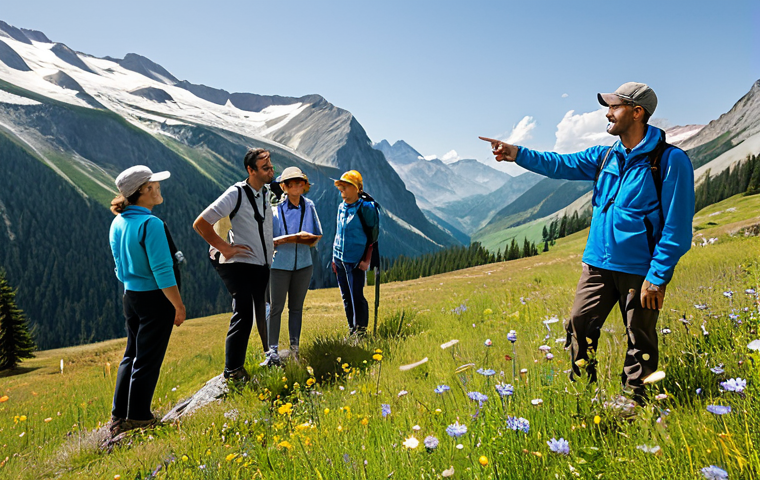
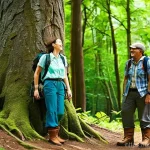
The ability to share your passion for the outdoors is a significant factor in job satisfaction. Imagine leading a group of city dwellers through a pristine forest, watching their faces light up as they spot a rare bird or learn about the local flora.
It’s not just about showing them the sights; it’s about fostering a deeper appreciation for the natural world and inspiring them to become environmental stewards.
Building Strong Community Ties
A rural tourism guide isn’t just a tour leader; they’re a vital link between visitors and the local community. By supporting local businesses, promoting cultural heritage, and creating opportunities for interaction, you’re contributing to the economic and social well-being of the region.
This sense of purpose can be incredibly fulfilling, knowing that your work has a positive impact on the lives of others.
The Freedom and Flexibility of a Non-Traditional Career
Many people are drawn to rural tourism guiding because it offers a welcome escape from the rigid structure of traditional employment. While the work can be demanding, it often comes with greater control over your schedule and the ability to tailor your services to your interests and expertise.
This independence can be a huge source of job satisfaction, allowing you to create a career that aligns with your values and lifestyle.
Setting Your Own Hours and Rates
Unlike a typical 9-to-5 job, a rural tourism guide often has the flexibility to set their own hours and rates. This allows you to prioritize work-life balance and earn a living that reflects your skills and experience.
Whether you prefer leading early morning hikes or organizing evening campfire stories, you can design a schedule that works for you.
Specializing in Your Areas of Passion
Do you have a deep knowledge of birdwatching, local history, or sustainable agriculture? As a rural tourism guide, you can specialize in your areas of passion and create unique experiences that cater to specific interests.
This allows you to share your expertise with others and build a reputation as a knowledgeable and engaging guide.
The Thrill of Continuous Learning and Discovery
The world of rural tourism is constantly evolving, with new trails to explore, new stories to uncover, and new ways to connect with the natural and cultural landscape.
As a guide, you’re constantly learning and adapting, which keeps the job fresh and exciting. This commitment to lifelong learning can be incredibly rewarding, fostering a sense of intellectual curiosity and personal growth.
Staying Up-to-Date on Local Knowledge
Whether it’s researching the latest environmental initiatives or attending workshops on local history, a successful rural tourism guide is always seeking to expand their knowledge base.
This commitment to continuous learning allows you to provide visitors with accurate and engaging information, enhancing their overall experience.
Embracing New Technologies and Trends
From using GPS technology to navigate trails to leveraging social media to promote your services, the rural tourism industry is increasingly embracing new technologies and trends.
By staying ahead of the curve, you can improve your efficiency, reach a wider audience, and offer innovative experiences that set you apart from the competition.
Overcoming Challenges and Building Resilience
While the rewards of being a rural tourism guide are plentiful, it’s important to acknowledge that the job also comes with its fair share of challenges.
From dealing with unpredictable weather to managing demanding clients, resilience and problem-solving skills are essential for success. However, overcoming these obstacles can be incredibly satisfying, building confidence and strengthening your commitment to the profession.
Navigating Seasonal Fluctuations
The demand for rural tourism often fluctuates depending on the season, which can impact income stability. However, by diversifying your offerings and developing creative marketing strategies, you can mitigate these fluctuations and ensure a steady stream of clients throughout the year.
Handling Unexpected Situations
Whether it’s a sudden rainstorm or a medical emergency, a rural tourism guide must be prepared to handle unexpected situations with grace and professionalism.
This requires quick thinking, effective communication, and a calm demeanor, all of which contribute to a sense of competence and self-assurance.
The Financial Rewards and Earning Potential
While the primary motivation for becoming a rural tourism guide is often a passion for the outdoors and a desire to share that passion with others, it’s important to consider the financial aspects of the profession.
While income can vary depending on experience, location, and the types of services offered, a successful guide can earn a comfortable living while pursuing their passion.
Building a Sustainable Business Model
To maximize your earning potential, it’s essential to develop a sustainable business model that takes into account your expenses, pricing strategy, and marketing efforts.
This may involve offering a variety of services, partnering with local businesses, and building a strong online presence.
Seeking Opportunities for Growth
As you gain experience and build a reputation, you can explore opportunities to expand your services, such as leading multi-day tours, offering specialized workshops, or developing your own brand of outdoor gear.
This can significantly increase your income and provide you with a greater sense of professional fulfillment.
Personal Growth and Self-Discovery
Perhaps one of the most overlooked aspects of job satisfaction in rural tourism guiding is the opportunity for personal growth and self-discovery. By immersing yourself in nature, connecting with diverse individuals, and challenging yourself to overcome obstacles, you’ll inevitably learn more about yourself and the world around you.
This journey of self-discovery can be incredibly transformative, leading to a greater sense of purpose and fulfillment in all areas of your life.
Cultivating Mindfulness and Appreciation
Spending time in nature has been shown to reduce stress, improve mood, and enhance overall well-being. As a rural tourism guide, you’ll have ample opportunity to cultivate mindfulness and appreciation for the beauty and tranquility of the natural world.
This can lead to a greater sense of inner peace and a more balanced perspective on life.
Building Meaningful Relationships
Guiding allows you to connect with people from all walks of life, sharing experiences and building lasting relationships. These interactions can be incredibly enriching, broadening your perspective and fostering a sense of community.
Plus, the positive feedback and gratitude you receive from satisfied clients can be a powerful source of motivation and validation.
| Aspect | Description | Potential Benefits |
|---|---|---|
| Nature Immersion | Spending time outdoors in scenic locations | Reduced stress, improved mood, enhanced well-being |
| Community Engagement | Supporting local businesses and cultural heritage | Sense of purpose, positive impact, stronger community ties |
| Flexibility | Setting your own hours and rates | Work-life balance, independence, control over income |
| Continuous Learning | Staying up-to-date on local knowledge and trends | Intellectual curiosity, professional growth, enhanced expertise |
| Personal Growth | Challenging yourself and connecting with others | Self-discovery, mindfulness, meaningful relationships |
Making a Difference in the World
Beyond the personal and financial rewards, rural tourism guiding offers the opportunity to make a tangible difference in the world. By promoting sustainable tourism practices, educating visitors about environmental conservation, and supporting local communities, you can contribute to a more just and equitable future.
This sense of purpose can be incredibly fulfilling, knowing that your work is aligned with your values and making a positive impact on the planet.
Promoting Sustainable Tourism
As a rural tourism guide, you can play a vital role in promoting sustainable tourism practices that minimize environmental impact and benefit local communities.
This may involve choosing eco-friendly accommodations, supporting local businesses, and educating visitors about responsible travel habits.
Contributing to Conservation Efforts
By partnering with conservation organizations and participating in environmental initiatives, you can contribute to the protection and preservation of the natural and cultural landscape.
This may involve leading volunteer projects, donating a portion of your profits to conservation efforts, or simply educating visitors about the importance of environmental stewardship.
In conclusion, the job satisfaction derived from being a rural tourism guide is a complex and multifaceted phenomenon. It stems from a combination of factors, including the joy of connecting people with nature, the freedom and flexibility of a non-traditional career, the thrill of continuous learning, the resilience gained from overcoming challenges, the financial rewards, the personal growth and self-discovery, and the opportunity to make a positive impact on the world.
While it may not be the easiest career path, it’s undoubtedly one of the most rewarding for those who are passionate about the outdoors, dedicated to their communities, and committed to making a difference.
The rewards of being a rural tourism guide extend far beyond a paycheck. It’s a chance to craft unforgettable experiences, connect with nature, and contribute to the well-being of your community.
So, if you’re seeking a career that’s both challenging and fulfilling, consider embracing the path of a rural tourism guide and discover the joy of sharing your passion with the world.
It’s a way to make a living while truly living.
Wrapping Up
As we’ve explored, the role of a rural tourism guide is more than just a job; it’s a lifestyle. It offers the opportunity to blend passion with profession, contributing to personal growth and community enrichment. The rewards are abundant for those who embrace the challenges and seek to create memorable experiences for others.
Whether it’s the thrill of discovering hidden gems or the satisfaction of educating visitors about local culture, guiding offers a unique sense of purpose and fulfillment. So, if you’re ready to embark on an adventure that combines personal fulfillment with making a positive impact, consider the path of a rural tourism guide.
Remember, the key to success lies in continuous learning, adaptability, and a genuine love for the outdoors. By staying informed about local trends, embracing new technologies, and building strong relationships with the community, you can create a sustainable and rewarding career as a rural tourism guide.
And most importantly, let your passion shine through in every interaction. Whether you’re leading a hike, sharing stories around a campfire, or simply pointing out a beautiful view, your enthusiasm will inspire others to appreciate the wonders of the natural world and the richness of rural life.
Handy Tips to Know
1. First Aid & CPR Certification: Essential for handling any unexpected medical situations. Look for courses offered by the American Red Cross or your local hospital.
2. Local History and Ecology Courses: Enhance your knowledge and credibility. Community colleges or local conservation groups often offer relevant workshops.
3. Networking with Local Businesses: Build partnerships for referrals and collaborative opportunities. Attend local chamber of commerce meetings and introduce yourself.
4. Social Media Marketing: Promote your services and reach a wider audience. Use platforms like Instagram and Facebook to showcase your tours and engage with potential clients.
5. Liability Insurance: Protect yourself and your business from potential lawsuits. Consult with an insurance broker to find a policy that fits your needs.
Key Takeaways
Being a rural tourism guide offers a unique blend of outdoor adventure, community connection, and personal fulfillment. It’s a career that allows you to share your passion with others while making a positive impact on the environment and local economy.
The job satisfaction stems from continuous learning, flexible work arrangements, and the opportunity to create memorable experiences for visitors. However, it also requires resilience, adaptability, and a strong commitment to customer service.
To succeed, focus on building strong community ties, staying informed about local trends, and promoting your services through effective marketing strategies. By embracing the challenges and opportunities that come with the role, you can create a rewarding and sustainable career as a rural tourism guide.
Frequently Asked Questions (FAQ) 📖
Q: What kind of training or certifications are typically required to become a successful rural tourism guide in, say, the Cotswolds in England?
A: Honestly, there’s no single, set-in-stone certification everyone needs. However, a few things really boost your credibility. First aid certification is a must – you’re often out in the countryside, and it’s vital to be prepared for emergencies.
A good understanding of the local area is crucial; courses on local history, geography, and wildlife can be incredibly helpful. I took a course on dry stone walling once just to better understand the landscape; the tourists loved hearing about that!
Some specific guiding qualifications exist, like the Institute of Tourist Guiding’s Blue Badge, which is highly regarded. But truly, experience trumps all.
Start small, offer walking tours in your village, and build your knowledge and reputation from there.
Q: Beyond just showing people around, what does a typical day look like for a rural tourism guide, and what are some of the unexpected challenges they might face?
A: No two days are ever the same, which is both the beauty and the beast of the job! One day, you might be leading a group on a hike across the rolling hills, pointing out wildflowers and sharing folklore.
Another day, you could be organizing a visit to a local cheese farm, helping tourists learn about the process and sample the delicious products. There’s a lot of behind-the-scenes work too: planning itineraries, booking accommodations, dealing with suppliers, and marketing your services.
The unexpected challenges? Well, weather is always a factor. I remember one time, I had a tour booked, and it started pouring rain.
Luckily, I had a backup plan: a visit to a cozy pub with a roaring fire, where we learned about traditional ales and played darts! Flexibility and a good sense of humor are essential.
Also, dealing with difficult clients can happen; I once had someone complain that the sheep were “too white”!
Q: What are some practical tips for someone interested in getting started as a rural tourism guide, especially concerning finding clients and building a sustainable business?
A: Networking is your best friend! Get to know local business owners, B&B operators, and community leaders. They can be a great source of referrals.
Online presence is also crucial. Create a website or social media profile showcasing your unique tours and experiences. High-quality photos and testimonials are worth their weight in gold.
Consider partnering with local tourism agencies or organizations to reach a wider audience. I’ve found attending local markets and events to be a great way to meet potential clients and build relationships.
Don’t be afraid to niche down and specialize in a particular area or type of tour. For example, you could focus on birdwatching tours, historical walking tours, or foraging expeditions.
And most importantly, be passionate and authentic! People are drawn to genuine enthusiasm and expertise.
📚 References
Wikipedia Encyclopedia