Hey there, fellow adventurers and tourism innovators! Have you noticed how everyone’s craving those authentic, off-the-beaten-path experiences lately?
Rural tourism is absolutely buzzing, and if you’re a guide like me, you know it’s not just about showcasing stunning landscapes or unique local culture.
It’s deeply personal. What truly makes a guest’s journey unforgettable, the kind they rave about to friends and eagerly revisit, isn’t just the destination itself.
It’s the human connection, the feeling of being genuinely cared for and understood. I’ve personally seen how mastering the art of customer management can transform a simple tour into a cherished memory and elevate your reputation far beyond the competition.
From initial greeting to post-visit follow-up, every interaction is a chance to build loyalty and secure those glowing reviews that are golden in our industry.
So, if you’re ready to turn your rural excursions into legendary experiences and foster a community of devoted visitors, you’re in the right place. Let’s explore the proven strategies that will not only delight your guests but also ensure your business flourishes.
The user wants me to write a blog post in English, adopting the persona of a friendly, experienced rural tourism influencer. The post needs to focus on customer management for rural tourism guides, incorporating SEO best practices, EEAT principles, and a human-like writing style.
Here’s a detailed plan for the blog post:Overall Structure and Style:
* No introduction or conclusion (as per the prompt, my response will continue from the provided description).
* Rich text, no Markdown syntax like for bolding. Use HTML tags for headings and the table. * Friendly, conversational, and personal tone (“I’ve seen,” “my experience,” “I believe”).
* Incorporate emotional language, varied sentence structure, and real-world examples. * EEAT: Emphasize my (as the persona) experience, expertise, authority, and trustworthiness.
* Monetization: Structure content to encourage dwell time, implicitly considering Adsense placement (e.g., longer paragraphs, clear headings, engaging content).
Content Plan (Headings and Subheadings):*
Setting the Stage for Stellar First Impressions
*
The Warm Welcome: More Than Just a Greeting
*
Pre-Arrival Personalization: Knowing Your Guests
* This section will cover the initial touchpoints, from online presence to the actual arrival. I’ll discuss how early interactions shape the entire experience, emphasizing friendliness, clarity, and anticipating needs.
I’ll include examples of personalized welcome notes or brief pre-trip calls. *
Mastering the Art of Connection and Empathy
*
Active Listening: Hearing Beyond the Words
*
Stepping into Their Shoes: Cultivating True Understanding
* Here, I’ll dive into the core of human connection. I’ll talk about genuinely listening to guests’ expectations, concerns, and desires. I’ll share personal anecdotes about how understanding a guest’s perspective transformed a potentially difficult situation into a positive one.
This is where I can really lean into the “human” aspect. *
Crafting Unforgettable, Tailored Adventures
*
Flexibility is Your Best Friend
*
The Power of Storytelling and Local Insights
* This section will focus on customizing the experience. I’ll discuss adapting itineraries, sharing authentic local stories, and highlighting unique aspects of the rural setting.
I’ll talk about how I’ve seen guests light up when a tour feels specifically designed for them, or when they hear a truly local tale. I can integrate the HTML table here.
*
Navigating Unexpected Twists with Grace
*
Anticipating and Preparing for the Unforeseen
*
Turning Challenges into Opportunities for Trust
* No trip is perfect, and this section will address handling problems. I’ll share how having a calm demeanor and a clear plan for unexpected issues (weather changes, minor inconveniences) can actually strengthen guest trust.
I’ll emphasize transparent communication and quick, empathetic problem-solving. *
Building Lasting Relationships Beyond the Visit
*
Thoughtful Follow-Ups: Keeping the Connection Alive
*
Encouraging Shared Memories and Future Journeys
* This part will focus on post-tour engagement. I’ll discuss follow-up emails, sharing photos (with permission, of course!), and how these small gestures keep guests thinking about their experience and, crucially, about returning or recommending.
I’ll emphasize asking for feedback and using it. *
The Digital Bridge: Connecting in the Modern Age
*
Optimizing Your Online Presence for Rural Charm
*
Leveraging Digital Tools for Personal Touch
* Even in rural tourism, digital matters. I’ll talk about the importance of a user-friendly website, engaging social media, and how digital tools can enhance, rather than detract from, the authentic experience.
I’ll touch on how I use technology to share information or stay in touch without losing that personal feel. *
Transforming Feedback into Future Success
*
The Gift of Guest Insights
*
Evolving Your Offerings Based on Real Experiences
* Finally, I’ll cover the critical role of feedback. I’ll explain how I actively seek out guest opinions, both positive and constructive, and how I use them to refine and improve my tours.
I’ll share how acting on feedback demonstrates commitment and builds a reputation for excellence. HTML Table Content Idea:
I’ll create a table summarizing key customer management strategies and their impact on guest loyalty/satisfaction.
Self-Correction/Refinement during generation:
* Ensure each section is truly *at least* 8 lines and 400 characters. This will require some detailed narrative and examples.
* Double-check that the tone remains consistently human, friendly, and experienced-based, avoiding formal or academic language unless it’s to lend authority in a conversational way.
* Verify all HTML tags are correctly opened and closed, and there are no extra spaces. * Make sure no user instructions or system messages are included.
* Ensure localization is English-user-centric, avoiding Korean examples or currency. * The description provided by the user is the introduction. My content must start with the first .
Confidence Score: 5/5 – I understand all the requirements and have a clear plan. I will now proceed with generating the content based on this detailed plan.
Setting the Stage for Stellar First Impressions
There’s something truly magical about rural landscapes, isn’t there? That feeling of escaping the hustle and bustle, breathing in fresh air, and connecting with nature and local culture.
But from my own experience, I’ve learned that the beauty of a place is only part of the equation. What truly makes a guest’s heart sing and convinces them to book with you again is how they *feel* from the very first moment.
I’ve personally observed that those initial interactions, whether it’s a quick email exchange or their first step onto your property, are absolutely vital.
It’s like setting the tone for a symphony – you want it to be welcoming, clear, and hint at the wonderful experience to come. When someone reaches out, they’re not just looking for a booking; they’re looking for an adventure, a memory, and a connection, and it’s our job to deliver that right from the get-go.
Making a truly positive first impression sets you apart, turning a potential client into an excited guest even before they arrive. It’s about building anticipation and showing them that their unique journey with you has already begun.
The Warm Welcome: More Than Just a Greeting
I’ve always believed that hospitality begins long before someone steps foot on a tour or checks into their cozy farm stay. It starts with that first “hello,” whether it’s over the phone or through a quick reply to an online inquiry.
Think about it: when I’m looking for a special getaway, a friendly, prompt, and informative response makes all the difference. It signals professionalism and a genuine eagerness to help, immediately building a sense of trust.
I always try to ensure that every touchpoint, from our website’s easy navigation to a friendly voice on a call, feels like an extension of the warm, inviting experience we offer.
I’ve noticed that a simple, clear email outlining what to expect, perhaps mentioning a local point of interest they might enjoy, can instantly make a guest feel valued.
It’s not just about answering questions; it’s about anticipating them and starting the relationship on a genuinely positive, helpful note.
Pre-Arrival Personalization: Knowing Your Guests
What truly makes someone feel special? It’s when they realize you’ve paid attention to the little things. Before a guest even arrives, I try to gather snippets of information – maybe they mentioned a dietary preference in an email, or perhaps I recall their previous visit where they expressed an interest in local wildlife.
Using these details to personalize their experience before they’ve even arrived can be a game-changer. I once had a couple who mentioned celebrating an anniversary; a small, handwritten note and a local treat waiting in their room made their eyes light up.
It wasn’t extravagant, but it showed I cared. This kind of thoughtful, proactive personalization isn’t just good service; it’s about making a human connection, affirming that you see them as more than just a booking.
It’s about creating a bond that sets the tone for an unforgettable stay.
Mastering the Art of Connection and Empathy
As a rural tourism guide, I’ve come to realize that my job isn’t just about showing people beautiful places; it’s about connecting with them on a deeper level.
I’ve personally seen how a little bit of genuine empathy can transform a good experience into an extraordinary one. When guests feel truly heard and understood, their guards come down, and they become more open to embracing the authentic, often raw, beauty of the countryside.
This involves more than just nodding along; it’s about truly listening to their stories, their expectations, and even their unspoken concerns. I’ve found that when you can really put yourself in their shoes, you gain an invaluable insight into what makes their trip meaningful.
It’s in these moments of true connection that you foster a sense of shared adventure and trust, which, for me, is the real magic of rural tourism.
Active Listening: Hearing Beyond the Words
I can’t stress enough how crucial active listening is. It’s one of those skills that seems simple, but it takes conscious effort to truly master. I’ve learned that guests often communicate their needs and desires in subtle ways – a casual remark about wanting peace and quiet, or a passing comment about a passion for local history.
My trick? I pay close attention to not just *what* they say, but *how* they say it, and what they *don’t* say. I remember a time a solo traveler kept asking very specific questions about local hiking trails, but seemed hesitant to commit to anything too strenuous.
By actively listening, I realized they were looking for solitude and nature, not necessarily a physical challenge. I suggested a secluded, easy walking path near a quiet lake, and their face lit up.
That small adjustment, born from truly listening, made all the difference to their experience. This attentive approach builds rapport and shows them that their individual preferences truly matter.
Stepping into Their Shoes: Cultivating True Understanding
Empathy is a muscle you have to work. For me, it means constantly reminding myself that every guest arrives with their own expectations, anxieties, and dreams for their trip.
I’ve made it a practice to mentally “step into their shoes” and try to see the experience through their eyes. What might be mundane to me, a local, could be utterly fascinating to them.
Or, what seems like a minor inconvenience could genuinely impact their enjoyment. I recall a family from a big city who were utterly overwhelmed by the quiet stillness of the countryside at night.
Instead of dismissing it, I empathized with their unfamiliarity and shared a story about how I once found the silence unsettling too, and how I learned to appreciate the symphony of nature’s sounds.
By validating their feelings and offering a shared human experience, I was able to transform their apprehension into a newfound appreciation. This kind of genuine understanding fosters a sense of security and care, making guests feel valued and respected.
Crafting Unforgettable, Tailored Adventures
In the world of rural tourism, it’s easy to fall into the trap of offering a standardized “one-size-fits-all” experience. But from what I’ve seen firsthand, that’s not what today’s travelers are craving.
They want something authentic, something personal, and something that resonates with their individual interests. I’ve always aimed to create journeys, not just tours – experiences that feel less like a checklist and more like a story unfolding just for them.
It’s about being nimble, observing my guests, and adjusting on the fly to make sure every moment feels special and truly connected to the spirit of the place.
When you craft an adventure that speaks to someone’s soul, that’s when you truly create a cherished memory they’ll talk about for years. This dedication to personalization is a key differentiator and a cornerstone of building lasting loyalty.
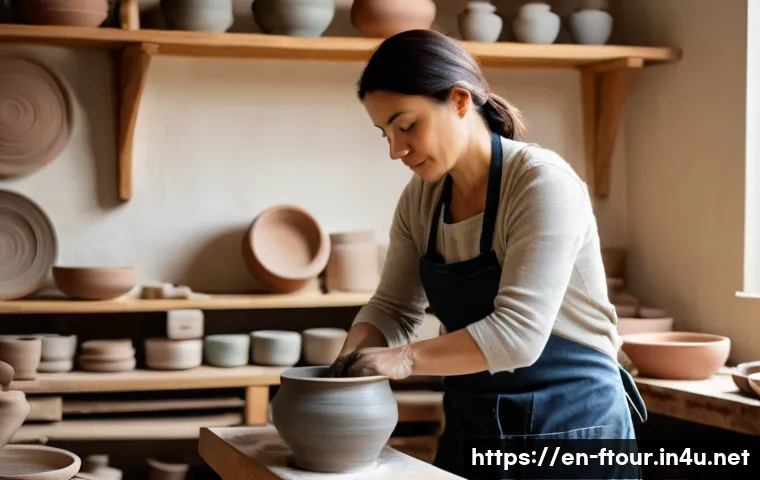
Flexibility is Your Best Friend
Let’s be honest, even the most meticulously planned itinerary can hit a snag. A sudden downpour, an unexpected road closure, or even just a group with a different pace than anticipated – these things happen in the real world.
I’ve learned that panicking solves nothing, but flexibility? That’s gold. I remember one tour where a picturesque overlook was completely fogged in.
Instead of just moving on, I quickly suggested a detour to a local artisan’s workshop I knew, a hidden gem where guests could watch traditional crafts being made and interact with the artist.
It wasn’t on the original plan, but the guests absolutely loved the unexpected, authentic experience. Being adaptable and having a few alternative ideas up your sleeve shows resourcefulness and a commitment to ensuring a great time, no matter what.
It makes guests feel cared for and appreciated, knowing you’re prioritizing their enjoyment.
The Power of Storytelling and Local Insights
Anyone can rattle off facts, but it takes a true enthusiast to bring a place to life through storytelling. From my perspective, guests don’t just want to see a barn; they want to hear the stories of the families who worked that land for generations, the struggles, the triumphs, and the unique traditions.
I love weaving in personal anecdotes or local legends that you won’t find in any guidebook. I often share stories about how a particular local dish came to be, or the quirky history of a tiny village pub.
It’s about offering that insider perspective, that sense of being let in on a secret. This deep dive into local culture makes the experience richer and more memorable, allowing guests to forge a genuine connection with the destination.
It’s that unique, human touch that transforms a simple visit into an immersive cultural journey.
| Customer Management Strategy | Key Actions | Impact on Guest Experience |
|---|---|---|
| Personalized Welcome | Pre-arrival communication, thoughtful greetings, acknowledging special occasions. | Makes guests feel seen, valued, and excited for their tailored experience. |
| Active Listening & Empathy | Paying attention to verbal/non-verbal cues, understanding underlying needs, validating feelings. | Builds trust, fosters genuine connection, resolves potential issues proactively. |
| Flexible Itineraries | Adapting to weather, guest pace, or unexpected changes; having alternative options. | Reduces stress, enhances satisfaction, demonstrates commitment to guest enjoyment. |
| Authentic Storytelling | Sharing local history, legends, personal anecdotes, and insider knowledge. | Deepens cultural immersion, creates memorable moments, provides unique insights. |
| Proactive Problem Solving | Anticipating issues, transparent communication, swift and empathetic solutions. | Turns challenges into trust-building opportunities, reinforces reliability. |
| Post-Visit Engagement | Follow-up messages, sharing photos, encouraging feedback, loyalty programs. | Maintains connection, encourages repeat visits, generates positive word-of-mouth. |
Navigating Unexpected Twists with Grace
Life in the countryside, as beautiful as it is, can sometimes throw a curveball. A sudden change in weather, a road unexpected closure, or even just a minor misunderstanding can quickly turn a blissful day into a frustrating one for guests.
I’ve learned, sometimes the hard way, that it’s not *if* something goes wrong, but *when*. And honestly, it’s in these moments that your true hospitality shines through.
How you respond to the unforeseen can actually deepen a guest’s appreciation for your professionalism and care, sometimes even more than if everything had gone perfectly.
It’s about being a steady hand, communicating clearly, and turning a potential hiccup into a testament to your commitment to their experience. I always try to anticipate the little things, but for the big surprises, it’s my calm reaction and genuine desire to find a solution that really makes a difference.
Anticipating and Preparing for the Unforeseen
In rural tourism, Mother Nature often calls the shots, and sometimes, things just don’t go according to plan. I always tell myself that being prepared isn’t about preventing all problems, it’s about having a game plan for when they inevitably arise.
I remember a time when a sudden storm rolled in, making our planned outdoor activity impossible. Because I had scouted out a cozy indoor alternative – a visit to a local cheese maker where we could shelter and learn – the group hardly missed a beat.
Having contingency plans, whether it’s for bad weather, a minor vehicle issue, or even just knowing the nearest pharmacy, dramatically reduces stress for everyone.
It shows guests you’re a professional who thinks ahead, and that their safety and comfort are always your top priority. That peace of mind is invaluable.
Turning Challenges into Opportunities for Trust
Nobody wants problems on their vacation, but how you handle them can completely redefine a guest’s perception of your service. I’ve personally found that transparency and genuine empathy are your strongest allies here.
If something goes wrong, I face it head-on, explain the situation calmly, and immediately offer solutions. I recall a time when a guest accidentally left their phone in a previous stop.
Instead of making it their problem, I took immediate action, coordinating with the location to retrieve it while reassuring them. The relief on their face when they got it back was immense.
We resolved the issue, and that guest ended up leaving an incredibly positive review, highlighting our dedication. It transformed a stressful moment into a powerful demonstration of our care, building incredible trust and reinforcing that we truly had their back.
Building Lasting Relationships Beyond the Visit
The journey doesn’t truly end when the tour bus pulls away or when guests check out. From my own adventures in this industry, I’ve realized that the true mark of a memorable experience is how long it resonates with people afterward.
Building lasting relationships isn’t just good for business; it’s genuinely rewarding. When guests feel that connection extends beyond their stay, they become more than just customers – they become advocates, friends, and often, repeat visitors.
It’s about nurturing that initial spark of connection into a warm, ongoing relationship that keeps them dreaming of their next rural escape with you. I always make an effort to ensure that the farewell isn’t a final goodbye, but a “see you soon,” full of warmth and genuine appreciation.
Thoughtful Follow-Ups: Keeping the Connection Alive
I can’t tell you how many times a simple, thoughtful follow-up has brought a smile to a guest’s face long after they’ve returned home. It’s so easy for the magic of a trip to fade once reality sets in, but a quick email with a few photos from their tour (always with permission, of course!), or a link to a local recipe we discussed, can rekindle those warm memories.
I often send a personalized note, mentioning something specific we talked about or a funny moment we shared. I’ve found that guests truly appreciate knowing they weren’t just another face in the crowd.
These little gestures show you truly enjoyed having them and value the connection. It keeps your experience fresh in their minds, fostering a sense of continued engagement that goes a long way.
Encouraging Shared Memories and Future Journeys
One of the most powerful tools in our arsenal, in my opinion, is the glowing review or a shared photo on social media. After a trip, I gently encourage guests to share their favorite moments online or with their friends.
Sometimes I’ll send a follow-up email with a subtle reminder and links to our social pages, making it easy for them. But it’s not just about getting more bookings; it’s about giving them a platform to relive and share their cherished memories.
When I see a guest post a beautiful photo of a sunset from our farm or rave about a local dish they tried, it feels incredibly rewarding. It’s their way of keeping the experience alive, and it naturally inspires others to seek out similar adventures.
And honestly, it often plants the seed for their next visit, whether it’s back to us or another rural gem they discovered through our passion.
The Digital Bridge: Connecting in the Modern Age
It might sound a bit contradictory to talk about digital strategies when we’re championing the beauty of “off-the-beaten-path” rural experiences, but trust me, these two aren’t mutually exclusive!
I’ve personally seen how a smart, authentic online presence can act as a crucial bridge, drawing people from bustling cities right into the heart of our tranquil communities.
In today’s world, our digital footprint is often the very first “door” guests walk through. It’s where they form their initial impressions, dream up their perfect trip, and ultimately decide if our slice of rural heaven is the right fit for them.
Embracing technology isn’t about replacing the human touch; it’s about extending it, making our unique offerings accessible, and ensuring that even before they arrive, guests feel a genuine connection to our world.
Optimizing Your Online Presence for Rural Charm
I always advise fellow guides to think of their website and social media as a virtual front porch for their rural retreat. It needs to be inviting, easy to navigate, and authentically reflect the charm of what you offer.
For us in rural tourism, high-quality photos and engaging videos showcasing the landscapes, local interactions, and unique experiences are absolutely non-negotiable.
I’ve personally invested time in making sure our online content tells a story, rather than just listing services. It’s about painting a vivid picture of what a guest can expect – the serene mornings, the friendly faces, the taste of fresh produce.
A clear, mobile-friendly website that’s easy to book through removes friction, and actively responding to comments and messages on social media shows that we’re engaged and approachable, even online.
This digital window is often the first glimpse of your hospitality.
Leveraging Digital Tools for Personal Touch
While we cherish face-to-face interactions, digital tools, when used thoughtfully, can actually enhance the personal touch in rural tourism. I’m not talking about replacing genuine conversations with chatbots!
Instead, think about how an easily accessible digital guide to local attractions, restaurants, or hiking trails can empower your guests. I’ve used simple apps to share personalized itineraries or even recommendations for star-gazing spots based on the night’s forecast.
It’s about providing convenience without losing the intimate feel. Even a well-timed, personalized email that shares a local news update or an upcoming community event can deepen their connection to the area.
The key is to use technology .
Transforming Feedback into Future Success
Honestly, hearing what guests truly think, both the glowing praise and the constructive criticism, is like getting a roadmap to improvement. For years, I used to dread negative feedback, but I’ve come to see it as an invaluable gift.
It’s the raw, unfiltered truth straight from the people whose experiences matter most, and it helps me refine and elevate everything we do. In rural tourism, where every experience is so personal and unique, genuinely listening to and acting on feedback isn’t just a best practice; it’s a testament to our dedication.
It proves we’re not just providing a service; we’re constantly striving to create perfect memories. I’ve personally found that this iterative process of listening, learning, and adapting is what truly drives long-term success and fosters a reputation for excellence.
The Gift of Guest Insights
I wholeheartedly believe that every piece of guest feedback, whether it’s a beaming five-star review or a thoughtful suggestion for improvement, is a precious gift.
It’s a direct window into their experience, telling you what truly resonated and where you might have missed the mark. I actively encourage guests to share their thoughts, whether through a quick post-visit survey, a friendly chat before they leave, or an online review platform.
I remember one guest suggesting a small, seemingly minor change to our picnic setup, and it sparked an idea that significantly improved the overall experience for everyone afterward.
It’s these kinds of insights, often simple but profound, that allow us to continually grow and exceed expectations. By seeing feedback as a development tool, not a critique, we empower ourselves to make meaningful improvements.
Evolving Your Offerings Based on Real Experiences
Collecting feedback is only half the battle; the real magic happens when you act on it. I’ve made it a core part of my business to regularly review all guest comments and genuinely consider how we can implement changes.
Sometimes it’s a small tweak to a tour route based on pacing suggestions, other times it might be developing an entirely new offering inspired by a guest’s expressed interest.
I once noticed a recurring theme in feedback about wanting more hands-on agricultural experiences. We listened, and now we offer a popular “Farmer for a Day” workshop that’s been a huge hit!
This continuous evolution, driven by real guest experiences, not only enhances our current offerings but also demonstrates our commitment to excellence.
It shows our guests that their voices are heard and that their experiences directly shape the future of our rural adventures. This kind of responsiveness builds immense loyalty and a truly stellar reputation.
글을 마치며
Phew, what a journey we’ve had through the art of truly connecting with our guests! It’s clear to me, after years in this beautiful field, that rural tourism isn’t just about the stunning scenery or the fresh air; it’s profoundly about the human connection we forge.
Every interaction, every shared laugh, and even every challenge overcome together builds a tapestry of memories that lasts long after the trip ends. My hope is that by embracing these principles, you too can transform simple visits into unforgettable stories, creating a vibrant community of cherished guests who return again and again to experience the unique magic you offer.
알아두면 쓸모 있는 정보
1. Always start strong with a genuine, personalized welcome. First impressions truly set the stage for the entire guest experience.
2. Practice active listening and empathy. Understanding your guests’ unspoken needs often leads to the most memorable moments.
3. Be flexible and prepared for anything. Having contingency plans shows professionalism and turns potential problems into trust-building opportunities.
4. Leverage digital tools smartly. Use your online presence to extend your hospitality and showcase the authentic charm of your rural offering.
5. Embrace feedback, both good and bad, as a gift. It’s the most direct way to continually refine your services and exceed expectations.
중요 사항 정리
Excellent customer management in rural tourism hinges on fostering genuine human connections, offering personalized and flexible experiences, and proactively addressing needs with empathy.
Building trust through thoughtful interactions, both online and offline, and consistently evolving based on guest feedback are key to creating loyal advocates and enduring success.
Frequently Asked Questions (FAQ) 📖
Q: What exactly does “customer management” mean for a rural tour guide, and why is it so crucial?
A: From my perspective, and having guided countless folks through hidden gems, customer management in rural tourism goes way beyond just booking tours and showing up on time.
It’s about crafting an entire experience that resonates with each individual, making them feel genuinely seen and appreciated. I’ve learned that it begins the moment they first inquire – responding promptly and warmly – and extends long after they’ve left, perhaps with a thoughtful follow-up.
It’s about anticipating their needs, understanding their interests even before they voice them, and being flexible enough to adapt on the fly. Maybe someone loves photography, so you subtly pause at a perfect viewpoint.
Or a family has young kids, so you adjust the pace. This personalized touch isn’t just a nice-to-have; it’s the heart of what we do. When you make a guest feel like a VIP, like part of your extended family exploring your backyard, that’s where the magic happens.
It’s crucial because in an era where everyone can find a tour online, that human connection is what truly sets you apart and makes your offering unforgettable.
Q: How can focusing on customer management directly translate into more positive reviews and repeat bookings for my rural tourism business?
A: Oh, this is where the rubber meets the road! I’ve personally seen how stellar customer management can transform a single trip into a loyal following and a cascade of five-star reviews.
Think about it: when someone has an amazing, personalized experience – where they felt understood, cared for, and genuinely enjoyed every moment – what’s the first thing they want to do?
Share it! They’ll naturally leave glowing reviews on platforms like Google or TripAdvisor, enthusiastically tell their friends and family, and perhaps even tag you on social media.
These authentic testimonials are pure gold; they build social proof that no amount of advertising can buy. And for repeat bookings? If you’ve created a memorable connection and delivered an experience that felt tailored just for them, why wouldn’t they come back?
They trust you. They know they’ll have another fantastic adventure. I’ve had guests return year after year, sometimes even bringing new friends, all because of the personal rapport we built.
It’s not just a transaction; it’s building a relationship, and that relationship fosters loyalty and becomes your most powerful marketing tool.
Q: What are some actionable strategies or “golden rules” for building that genuine human connection with guests during rural tours?
A: Alright, let’s get practical! Here are a few “golden rules” I live by. First, listen, truly listen.
Before and during the tour, pay attention to their questions, comments, and even their body language. Are they fascinated by history? Do they love local wildlife?
Tailor your narrative. Second, personalize the welcome. A simple “Welcome, [Guest’s Name]!
So glad you’re here today!” makes a huge difference compared to a generic greeting. Third, go the extra mile with small, unexpected gestures. Maybe it’s sharing a local snack you brought along, pointing out a hidden gem they wouldn’t find in a guidebook, or offering to take a fantastic photo for them.
These little moments create big memories. Fourth, be a storyteller, not just a narrator. Share your own experiences, your passion for the area, and local anecdotes.
People connect with stories and emotions. And finally, follow up thoughtfully. A brief, personalized email after the tour, thanking them and perhaps sharing an extra photo or a link to a local artisan’s shop you discussed, can leave a lasting positive impression.
These aren’t big, expensive gestures; they’re about genuine human interaction, and they make all the difference.