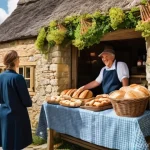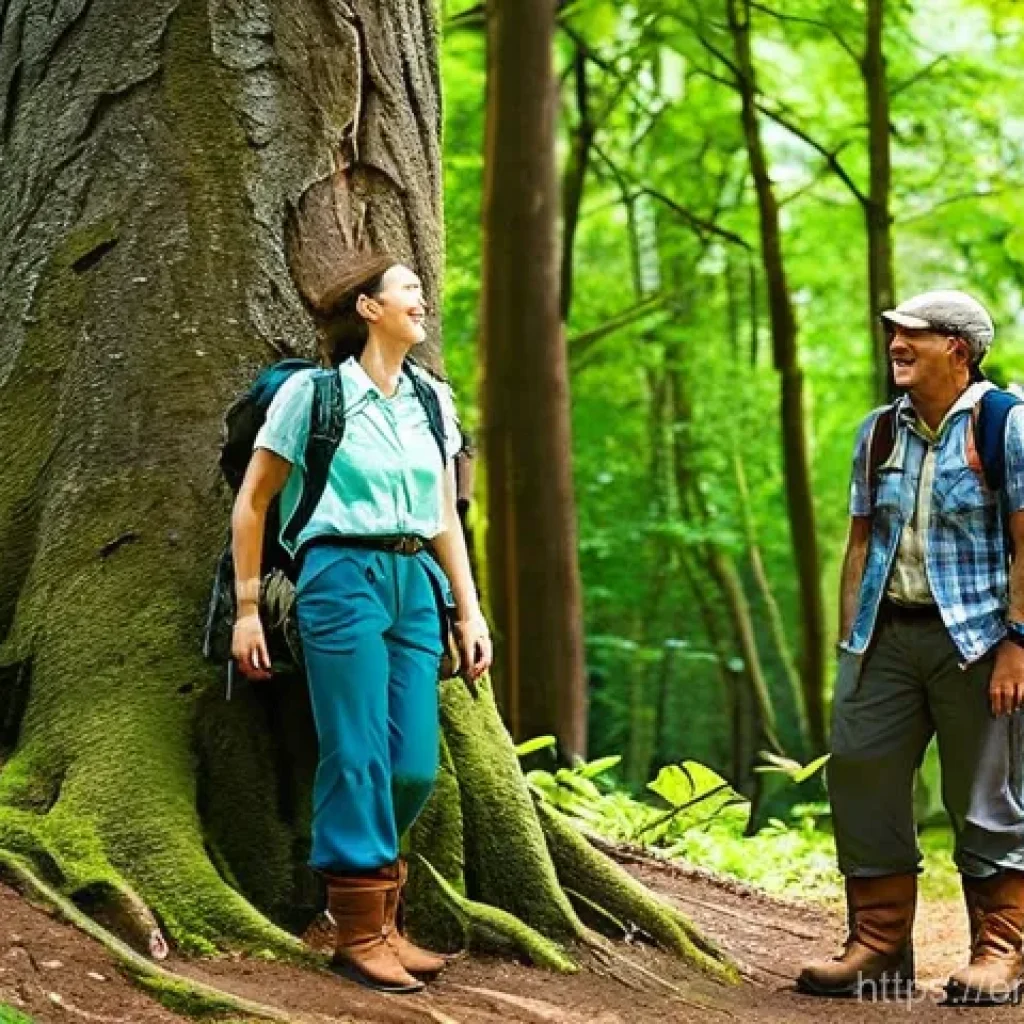
Wow, hey there, fellow travel enthusiasts! It feels like just yesterday we were all dreaming of our next big adventure, and now, with the world constantly evolving, those dreams are shifting towards something truly meaningful: becoming a beacon of sustainable travel.
I’ve been seeing so many of you express interest in turning your passion for nature and responsible exploration into a career, and honestly, it’s a brilliant idea!
The rural tourism sector is absolutely booming, projected to reach a staggering $118.03 billion in 2025 and continue its upward climb, showcasing an increasing demand for authentic experiences and a deeper connection to nature.
This isn’t just a fleeting trend; it’s a movement towards more mindful travel, driven by a desire to preserve our planet and support local communities.
But here’s the real talk: navigating the path to becoming a certified rural or ecotourism guide can feel a bit like hiking an unmarked trail. You might be wondering, “What certifications do I really need?” or “How challenging are these programs?” From what I’ve personally seen and heard, while there’s no single “pass rate” like a standardized academic test, the journey involves dedication, practical experience, and a genuine commitment to sustainability.
Many programs, like the Ecotourism Australia’s Eco Guide Certification or various regional offerings in the US and UK, emphasize practical skills, environmental knowledge, and interpretive abilities over just rote memorization.
It’s about demonstrating real expertise and a deep understanding of the local environment and culture, something you simply can’t fake. The market is increasingly looking for guides who embody the E-E-A-T principles – that’s Experience, Expertise, Authoritativeness, and Trustworthiness – because travelers want to know they’re in capable hands, learning from someone who genuinely cares and knows their stuff.
This isn’t just about a badge; it’s about building a reputation that resonates. So, if you’re feeling that pull to merge your love for the outdoors with a meaningful profession, you’re absolutely on the right track.
Let’s dive deeper and truly get to grips with what it takes to thrive in this incredible field. We’ll uncover all the precise details in the article below!
Diving Deeper: The Core Pillars of Sustainable Guiding
Embracing the Ethos: More Than Just a Job
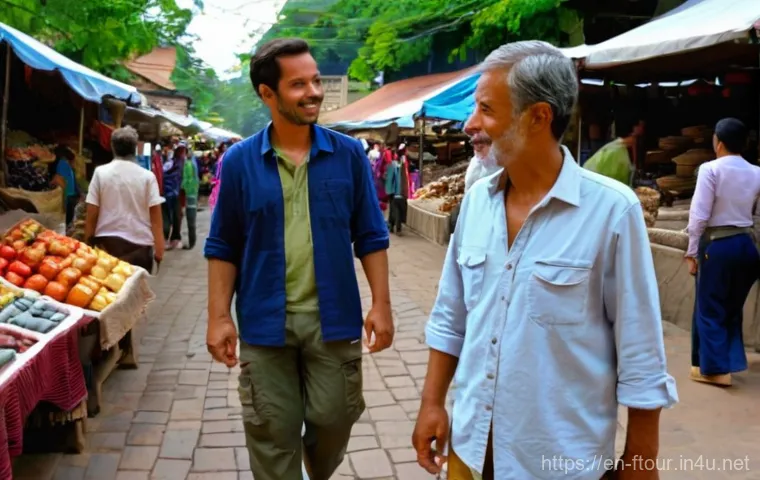
Okay, so you’re ready to jump in, which is fantastic! But before we even get to the nitty-gritty of certifications, let’s talk about the ‘why’ behind all of this. Becoming a sustainable or ecotourism guide isn’t just about leading people through beautiful landscapes; it’s about fostering a deeper connection, educating, and genuinely protecting those places for generations to come. I’ve personally seen guides who just ‘show up’ versus those who absolutely radiate passion for their environment, and believe me, the difference is palpable. Travelers today aren’t just looking for a photo op; they’re craving authentic experiences, profound insights, and a sense of purpose in their journeys. When you embody that ethos, it shines through in every word, every gesture, and every story you share. It’s about being an advocate, a storyteller, and a guardian, all rolled into one. This commitment is what truly sets you apart and builds that invaluable trust with your visitors. It’s an incredibly rewarding feeling, knowing you’re making a real difference while doing what you love, and honestly, that’s a huge part of the staying power in this field.
Understanding the Impact: Beyond the Visible
One of the biggest lessons I’ve learned on my own journey is that the impact of tourism, whether positive or negative, often extends far beyond what we initially perceive. It’s not just about minimizing waste or avoiding disruption to wildlife – although those are absolutely critical! It’s also about understanding the socio-economic effects on local communities, respecting cultural heritage, and ensuring that the financial benefits truly flow back to the people and places being visited. I remember a particularly eye-opening trip to a small village where the local guide, through careful explanation, showed us how our simple choices – like buying handcrafted souvenirs directly from artisans rather than mass-produced items – had a direct and immediate positive ripple effect on their families’ livelihoods. This level of awareness and ability to communicate it to travelers is what transforms a good guide into an extraordinary one, fostering responsible behavior without making anyone feel lectured. It’s about gentle guidance and empowerment, allowing travelers to be part of the solution rather than just observers.
Navigating the Certification Maze: What Really Matters
Key Certifications and What They Offer
Alright, let’s get down to brass tacks: certifications. I know, it can feel like a labyrinth out there with so many options, but don’t fret! From my experience, while there isn’t one universal ‘golden ticket,’ certain certifications definitely hold more weight and credibility, especially in specific regions. For instance, in Australia, the Ecotourism Australia’s Eco Guide Certification is highly respected, emphasizing environmental best practices and interpretive skills. Over in North America, you’ll find great programs from organizations like the National Association for Interpretation (NAI), which focuses heavily on connecting people to natural and cultural heritage, or specific state-level guiding licenses. In the UK, various regional park authorities or organizations like the British Association of International Mountain Leaders (BAIML) offer specialized guiding qualifications. What I’ve found is that these programs aren’t just about memorizing facts; they’re designed to equip you with practical skills in risk management, group leadership, first aid, and in-depth ecological knowledge. Choosing the right one often depends on where you plan to operate and the specific type of tours you want to lead. It’s truly an investment in your expertise and, ultimately, your earning potential.
Beyond the Certificate: Practical Skills and Continuous Learning
Here’s a little secret from someone who’s been around the block a few times: a piece of paper is great, but it’s your practical skills and ongoing dedication to learning that truly define you as an exceptional guide. I’ve always prioritized hands-on experience, whether it’s through volunteer work with conservation groups, joining local nature walks, or even just spending countless hours exploring trails on my own. Things like advanced first aid and CPR certifications are non-negotiable – seriously, safety first always! Learning basic survival skills, navigation using a compass and map (don’t solely rely on GPS!), and even becoming proficient in local flora and fauna identification will give you an incredible edge. The natural world is constantly changing, and so should your knowledge base. I make it a point to regularly attend workshops, read up on new conservation efforts, and even follow scientific journals related to the areas I guide in. This commitment to continuous learning not only keeps your tours fresh and engaging but also demonstrates your unwavering expertise and authority, which is invaluable for building trust with both clients and potential employers. It’s a journey, not a destination, my friends!
Gaining Real-World Edge: The Power of Experience
Volunteering and Internships: Your Stepping Stones
If you’re just starting out, one of the absolute best ways to build your resume and gain invaluable experience is through volunteering or internships. Honestly, this is where I really honed my skills and discovered what kind of guiding truly resonated with me. Think about it: you get to learn from seasoned professionals, immerse yourself in the environment, and build a network without the pressure of being solely responsible. Local nature centers, national parks, wildlife sanctuaries, and even private ecotourism operators often have volunteer programs. I remember an internship I did with a local land trust where I assisted with trail maintenance, species monitoring, and even led small educational walks for school groups. It was tiring, muddy work sometimes, but the insights I gained into ecosystem management and visitor engagement were priceless. These experiences not only look fantastic on your CV but also provide tangible examples of your dedication and capabilities, which is exactly what employers and clients are looking for. Don’t underestimate the power of showing up, getting your hands dirty, and soaking up every bit of knowledge you can!
Crafting Your Own Narratives: Local Exploration
You know, some of the most compelling stories and unique insights I share on my tours didn’t come from a textbook; they came from my own boots-on-the-ground exploration. Becoming an expert in your own backyard, or the specific region you want to guide in, is absolutely crucial. Walk every trail, visit every historical site, talk to local elders and artisans, and observe the changing seasons. The more intimately you know a place, the more authentic and captivating your narratives become. I’ve found that sharing personal anecdotes – like a rare bird sighting I had on a particular trail, or the story behind an old stone wall – makes the experience so much richer for travelers. It’s about finding those hidden gems and weaving them into a compelling story that connects people to the land and its culture. This level of personal investment not only boosts your confidence but also gives you an edge, making your tours genuinely unique and memorable. It’s your personal touch, your unique voice, that travelers will remember long after the tour is over.
The Art of Connection: Interpreting Nature and Culture
Transforming Information into Inspiration
So, you’ve got the knowledge, you’ve got the certifications, but here’s where the magic truly happens: interpretation. This isn’t just about reciting facts and figures; it’s about transforming information into inspiration, making it meaningful and memorable for your guests. Think about it: anyone can read a sign, but a skilled interpreter brings a place to life! I’ve learned that the key is to ask thought-provoking questions, use vivid descriptive language, and connect the dots between what people are seeing and its broader significance. For example, instead of just saying, “This is an oak tree,” I might say, “Imagine this mighty oak, a silent witness to centuries of history, its roots delving deep into the same soil our ancestors walked, providing shelter and sustenance for countless creatures. What stories do you think it could tell?” This approach engages senses and emotions, making the experience far more impactful. It’s about sparking curiosity and wonder, empowering travelers to discover and appreciate on a deeper level. And honestly, seeing that “aha!” moment in someone’s eyes? That’s pure gold.
Fostering a Sense of Place: Cultural Sensitivity
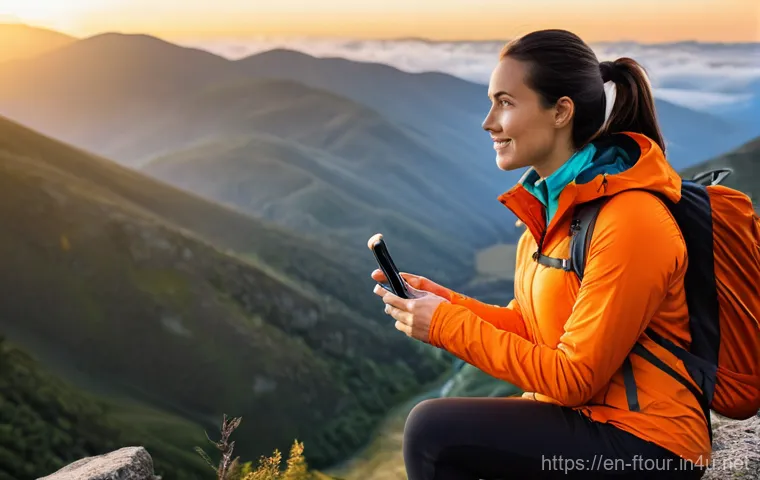
Beyond the natural environment, a truly outstanding guide understands and respects the cultural landscape. Rural and ecotourism often brings us into direct contact with local communities, and it’s our responsibility to ensure these interactions are positive and respectful. This means doing your homework on local customs, traditions, and even sensitivities. I’ve always made it a point to learn a few phrases in the local language, understand proper etiquette, and seek permission before photographing people or sacred sites. It’s about approaching every encounter with humility and a genuine desire to learn. For example, when visiting an indigenous community, it’s not just about showcasing their crafts; it’s about understanding their history, their relationship with the land, and their contemporary challenges. This sensitivity not only prevents misunderstandings but also enriches the travel experience for everyone involved, creating a bridge of understanding and respect. It’s how we ensure that tourism is a force for good, contributing to cultural preservation rather than eroding it.
Building Your Brand: Authenticity and Trust in Green Travel
Crafting Your Unique Guiding Identity
In today’s crowded digital world, simply being a good guide isn’t enough; you need to carve out your unique brand identity. What makes *you* different? Is it your specialty in birdwatching, your passion for local folklore, or perhaps your knack for leading challenging treks? I remember when I first started, I tried to be a jack-of-all-trades, and while that’s okay initially, I truly found my stride when I leaned into my genuine love for sustainable foraging and wilderness survival skills. Suddenly, my tours had a unique flavor, and people started seeking me out specifically for those experiences. Your brand isn’t just a logo; it’s your story, your values, and the unique perspective you bring to every tour. Share your personal journey, your learning moments, and what truly excites you about the outdoors. This authenticity is incredibly attractive to travelers who are looking for genuine connections and experiences that go beyond the ordinary. It builds trust, shows your expertise, and ultimately, helps you stand out from the crowd.
Leveraging Digital Platforms: Sharing Your Story
Once you’ve defined your identity, it’s time to shout it from the digital rooftops! And no, I don’t mean just posting pretty pictures (though those definitely help!). This is where your storytelling skills come into play. Think about platforms like Instagram, TikTok, or even a personal blog or YouTube channel. Share short videos of you identifying plants, telling a local legend, or demonstrating a low-impact hiking technique. Write engaging blog posts about your experiences, offer useful tips for responsible travel, and highlight the unique aspects of the places you guide. I’ve found that consistently sharing valuable content, rather than just advertisements, really resonates with my audience and builds a loyal following. It establishes your authority and trustworthiness long before someone even books a tour with you. It’s also a fantastic way to engage with potential clients, answer their questions, and build a community around your passion. Remember, people book experiences, but they also book *with people* they connect with and trust. Your digital presence is a powerful extension of your personal brand.
The Financial Horizon: Making Your Passion Profitable
Diverse Income Streams for Ecotourism Guides
Let’s talk money, because while passion fuels us, sustainability in your career also means financial stability! As a rural or ecotourism guide, you’re not limited to just leading tours. I’ve personally diversified my income, and it’s made a huge difference. Beyond direct guiding, consider offering workshops on specific skills like wilderness first aid, navigation, or sustainable photography. You could also consult for smaller tourism businesses on developing eco-friendly practices or creating interpretive programs. Another avenue I’ve explored is affiliate marketing, recommending ethical gear or accommodations through my blog and social media, earning a small commission when people purchase through my links. Some guides even write e-books or create online courses sharing their expertise. The key here is to leverage your knowledge and experience in multiple ways, creating a robust and resilient income structure. It frees you from relying on a single source and allows you to continue pursuing your passion with greater peace of mind. It’s about building a sustainable business around your sustainable vision.
Pricing Your Expertise: Value and Worth
This is a common sticking point for many passionate guides: how to price your services. It’s easy to undervalue yourself, especially when you love what you do. But remember, your expertise, experience, and dedication have immense value. Don’t be afraid to charge what you’re worth. Research what similar guides or tour operators in your region are charging for comparable experiences. Consider your overheads: insurance, equipment, marketing, continuous education, and of course, your time. I learned early on that offering different tiers of service – perhaps a standard group tour, a private bespoke experience, or a multi-day expedition – can cater to a wider range of clients while ensuring you’re compensated fairly for your time and specialized knowledge. Clear communication about what’s included in your pricing is also crucial for managing client expectations. Remember, you’re not just selling a tour; you’re selling a meticulously crafted, insightful, and memorable experience led by an expert. Own that value!
| Aspect | Key Considerations for Ecotourism Guides | Why It Matters |
|---|---|---|
| Certifications | Region-specific guiding qualifications (e.g., Ecotourism Australia, NAI), Wilderness First Responder (WFR), CPR/First Aid. | Demonstrates competence, enhances safety, builds credibility with clients and operators. |
| Experience | Volunteering, internships, personal exploration, mentorship from seasoned guides. | Develops practical skills, builds network, provides unique stories and insights for tours. |
| Interpretation Skills | Ability to tell engaging stories, connect information to emotions, facilitate learning, use diverse communication methods. | Transforms information into memorable experiences, fosters deeper appreciation for nature and culture. |
| E-E-A-T Principles | Demonstrable Experience, Specialized Expertise, Authoritative voice, Trustworthy reputation (online & offline). | Essential for standing out, attracting clients, and building a sustainable career in a competitive market. |
| Monetization Strategies | Diverse income streams (tours, workshops, consulting, affiliate marketing, digital products), strategic pricing. | Ensures financial stability, reduces reliance on single income source, supports long-term career growth. |
Closing Thoughts
And there you have it, fellow adventurers and passionate protectors of our planet! The journey to becoming an ecotourism guide, or even just a more conscious traveler, is truly a rewarding one. It’s about so much more than maps and itineraries; it’s about connecting deeply with the world around us, sharing its wonders responsibly, and leaving every place a little better than we found it. I’ve personally felt the immense satisfaction that comes from seeing a traveler’s eyes light up when they understand the delicate balance of an ecosystem, or the profound beauty of a culture. This isn’t just a career; it’s a calling to make a tangible difference, one mindful step at a time.
Useful Information to Know
1.
Staying updated on global environmental trends is absolutely crucial for any ecotourism guide in 2025 and beyond. Travelers are increasingly savvy, seeking out guides who are not only knowledgeable about local flora and fauna but also well-versed in broader issues like climate change impacts, sustainable aviation fuel (SAF), and regenerative tourism practices. Keep an eye on reports from organizations like the UN World Tourism Organization and reputable environmental bodies. I always make it a point to read up on new scientific findings and conservation successes—it keeps my content fresh and shows my audience that I’m truly an expert in the field, not just someone reciting old facts. Plus, being able to discuss current events authentically makes for far more engaging conversations on the trail.
2.
Diversifying your skill set beyond basic guiding is a game-changer for long-term success. While first aid and navigation are non-negotiable foundations, consider adding specialized certifications in areas like wildlife tracking, bird identification, or even drone piloting for conservation monitoring. I’ve found that offering unique workshops, like a “sustainable photography” tour or a “foraging for beginners” session, not only attracts a different niche of travelers but also creates additional income streams. These specialized skills enhance your personal brand and allow you to command premium rates for unique experiences that truly stand out in a crowded market. It’s about constantly evolving and offering something genuinely special.
3.
Embracing digital platforms for storytelling and community building is no longer optional; it’s essential. In today’s world, your online presence is often the first impression potential clients have of you. Think beyond just showcasing beautiful photos; share insightful snippets about responsible travel, behind-the-scenes glimpses of your conservation efforts, or even short video tutorials on low-impact hiking techniques. I’ve personally seen how a consistent, authentic digital presence can transform casual followers into loyal clients and advocates for sustainable travel. It’s a powerful way to build trust, demonstrate your expertise, and reach a global audience eager for genuine, impactful experiences.
4.
Prioritizing ethical partnerships and community involvement is paramount to true ecotourism. It’s not enough to simply operate in a beautiful natural area; you must actively ensure that your presence benefits local communities and respects indigenous cultures. This means seeking out accommodations with green certifications, supporting local artisans directly, and collaborating with community-led conservation initiatives. I’ve learned that truly sustainable tourism is a two-way street, where travelers gain rich cultural immersion while contributing positively to the local economy and environment. Always question where your money goes and aim for transparency in revenue sharing to avoid “greenwashing” and ensure genuine positive impact.
5.
Mastering interpretive communication is the secret sauce to transforming a simple tour into an unforgettable, educational journey. It’s about moving beyond rote facts and engaging your audience emotionally, sparking curiosity, and fostering a deep appreciation for the natural and cultural heritage you’re showcasing. I find that using evocative storytelling, asking open-ended questions, and tailoring my explanations to diverse audiences makes a monumental difference. When visitors feel a genuine connection to the place and its stories, they become active participants in its preservation, taking those lessons home with them. That lasting impact, for me, is the true measure of a successful guide.
Key Takeaways
To truly thrive as an ecotourism guide, remember that continuous learning, genuine passion, and ethical practice form the bedrock of your career. Leverage your unique experiences to build an authentic brand, and don’t shy away from diversifying your income streams through workshops, consulting, or online content. Prioritize communication that inspires, fosters deep connections, and respects local cultures and environments. By embodying these principles, you’re not just guiding tours; you’re becoming a vital advocate for a more sustainable and respectful way of experiencing our incredible world, ensuring that both you and the planet flourish.
Frequently Asked Questions (FAQ) 📖
Q: Beyond just a certificate, what are the tangible benefits of investing my time and resources into becoming a certified rural or ecotourism guide?
A: Oh, this is such a fantastic question, and one I get asked all the time! From my own experience and chatting with countless successful guides, I can tell you that getting certified is so much more than just hanging a pretty piece of paper on your wall.
First off, it instantly boosts your credibility and trustworthiness, which, let’s be honest, is huge in an industry where people are entrusting you with their precious vacation time and often their safety.
Think about it: travelers are actively seeking out guides who embody those E-E-A-T principles – Experience, Expertise, Authoritativeness, and Trustworthiness.
A certification signals that you’ve put in the work, you understand the nuances of sustainable practices, and you’re genuinely committed to responsible tourism.
It practically screams, “I know my stuff, and you can trust me!”Secondly, it opens up a whole new world of opportunities. Many reputable tour operators and organizations specifically look for certified guides because it assures them of a certain standard of knowledge and professionalism.
This often translates into better job prospects, more diverse guiding gigs, and yes, often a better earning potential too. I’ve seen guides confidently command higher rates because their certification backs up their expertise.
Plus, during the certification process, you’ll gain invaluable practical skills – things like advanced interpretive techniques, ecological knowledge, risk management, and even how to handle group dynamics in challenging environments.
These aren’t just academic exercises; they’re real-world tools that make you a more effective and desirable guide. And let’s not forget the networking!
You’ll connect with like-minded individuals, mentors, and potential collaborators who are equally passionate about sustainable travel. It’s truly an investment in your career, your personal growth, and in contributing to a more mindful way of exploring our beautiful planet.
Q: The idea of becoming an ecotourism guide sounds amazing, but how challenging is the certification process itself? What does it typically involve, and is there a “pass rate” like a regular academic exam?
A: That’s a super valid concern, and I hear you! It’s natural to wonder about the “how-to” and the difficulty level. From what I’ve personally observed and through speaking with guides who’ve gone through various programs, it’s less about a strict “pass or fail” like a traditional school exam and more about demonstrating genuine competence and a deep understanding.
Think of it more as a journey of skill acquisition and validation. While there isn’t a universal “pass rate” percentage like you’d find for, say, a college calculus exam, the journey absolutely demands dedication.
Typically, certification programs – whether it’s something like Ecotourism Australia’s Eco Guide Certification, or regional offerings in the US and UK – involve a blend of theoretical knowledge and practical application.
You’ll likely dive into coursework covering environmental ethics, local ecology, cultural interpretation, minimum impact practices, and often wilderness first aid.
But here’s the kicker: a huge part of it is hands-on. You’ll often be assessed on your ability to lead groups, interpret natural and cultural features effectively, manage risks in the field, and engage travelers in a meaningful way.
This might involve field assessments, practical demonstrations, and even creating your own interpretive programs. It’s definitely challenging, requiring a good amount of study, self-reflection, and real-world practice.
But that’s exactly why these certifications hold so much weight! They ensure that when you’re out there guiding, you’re not just reciting facts, but you’re truly skilled, experienced, and capable of creating an unforgettable and responsible experience for your guests.
It’s demanding, yes, but incredibly rewarding when you finally earn that certification, knowing you’ve truly earned your stripes.
Q: Given the huge demand for genuine, authentic experiences, how can I ensure my guiding style and overall business truly embody the E-E-
A: -T principles to consistently attract and retain travelers? A3: This is where the rubber meets the road, and honestly, it’s what truly sets the most successful guides apart!
Embodying E-E-A-T isn’t just about ticking boxes; it’s about building a genuine brand that resonates with people. First, let’s talk about Experience. Don’t just guide, live your area.
Share your personal anecdotes, the hidden gems you’ve discovered, the stories passed down from locals. I always tell aspiring guides, “Don’t just point out a tree, tell us the legend behind it!” Your real-world guiding hours and your deep connection to the land and culture are your biggest assets.
The more you immerse yourself, the more authentic your narrative becomes. Next, Expertise. This means continuous learning.
Stay updated on the latest ecological research, conservation efforts, and local cultural developments. Go beyond the basics. Maybe specialize in birdwatching, local foraging, or indigenous history.
The more specialized knowledge you have, the more valuable you become. Attending workshops, reading scientific papers, and actively participating in local conservation groups all contribute to your expertise.
For Authoritativeness, think about how you present yourself. Collaborate with local experts, contribute to local tourism blogs or community initiatives, or even start your own engaging social media presence where you share insights.
Building a reputation as a go-on expert in your niche makes travelers seek you out. Finally, Trustworthiness is paramount. This comes from transparency, clear communication, and consistently delivering on your promises.
Always prioritize safety, be upfront about the physical demands of a trip, and ensure your practices truly align with sustainable principles. Collect testimonials and reviews, and actively engage with feedback.
When travelers feel safe, respected, and truly connected to the experience you provide, they become your biggest advocates, coming back for more and spreading the word.
It’s about building a community around your passion, not just a client list!