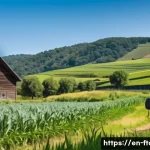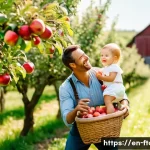
Hey there, travel enthusiasts and dreamers! Have you ever found yourself scrolling through breathtaking photos of serene countrysides, charming small towns, and wondered what it would be like to actually *live* that idyllic life, perhaps even sharing it with others?
I know I have! In our fast-paced world, more and more folks are craving authentic, off-the-beaten-path experiences, and rural tourism is absolutely booming.
It’s not just about visiting anymore; it’s about connecting, learning, and making memories far from the usual hustle. If you’ve been pondering a career shift, or just want to truly embed yourself in the heart of local culture, becoming a rural tourism guide might just be your calling.
Preparing for such a role, perhaps even with a mock exam, is a smart move that can truly set you apart. So, let’s get into how you can effectively prepare for this rewarding journey and what amazing doors it can open.
I’ll make sure to tell you everything!
Embracing the Call of the Countryside: Why Rural Tourism is Your Next Adventure
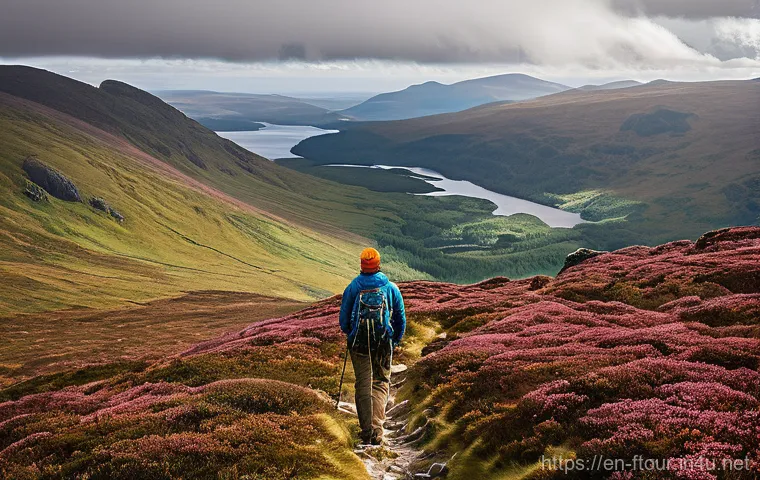
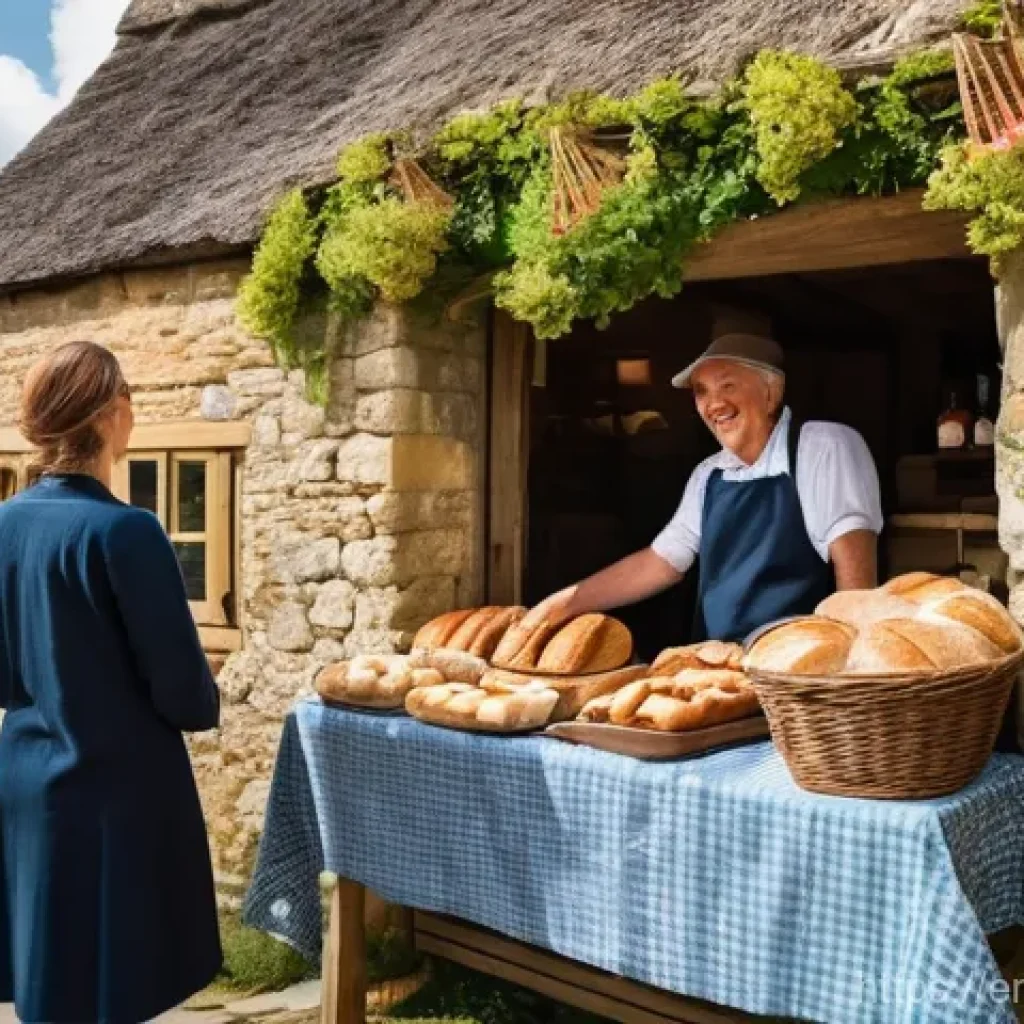
Honestly, who hasn’t dreamed of ditching the urban grind for a life closer to nature? I know I certainly have! There’s something inherently magnetic about the rolling hills, the quaint village squares, and the rhythm of life that feels so much more grounded than the daily rush most of us endure. Rural tourism isn’t just a fleeting trend; it’s a profound movement driven by a collective yearning for authenticity, connection, and a deeper understanding of our world. People are genuinely tired of generic, mass-produced experiences. They want to meet the local baker, hear stories from a farmer whose family has tilled the same land for generations, and truly immerse themselves in a community’s unique character. This isn’t just about pretty pictures for Instagram, though those are definitely a bonus! It’s about a fundamental shift in how we want to travel and engage. When I first started exploring this path, I was struck by how much potential there was to offer something truly special, something that would leave visitors with memories and knowledge they couldn’t get anywhere else. It’s a chance to share the magic you find in these less-traveled spots with others, creating bridges between cultures and fostering a greater appreciation for the delicate balance of rural life. It’s a deeply rewarding endeavor, both personally and, as you’ll find, professionally.
The Growing Appeal of Authentic Experiences
It’s like everyone suddenly woke up and realized that the best stories aren’t found in crowded city centers, but often whispered in the wind through ancient trees or shared over a pint at a local pub in a village you’ve never heard of. I’ve seen firsthand how visitors’ eyes light up when they discover a hidden waterfall or get to try their hand at a traditional craft. This isn’t just about sightseeing; it’s about doing, learning, and feeling. People are actively seeking opportunities to unplug, reconnect with nature, and engage with local traditions. They want to know the story behind the artisanal cheese, the history of the old mill, or the folklore associated with a particular woodland path. As a guide, you become the storyteller, the facilitator of these genuine moments. It’s an incredibly powerful role to play, helping folks step outside their comfort zones and truly experience a different way of life. The demand for these authentic, off-the-beaten-path adventures is skyrocketing, and it’s creating fantastic opportunities for those of us who are passionate about sharing the charm of the countryside.
From Visitor to Visionary: Your Role in Local Economies
When I decided to dive into rural tourism, one of the things that truly resonated with me was the potential to make a tangible difference. It’s not just about earning a living; it’s about becoming an integral part of the local fabric. As a rural tourism guide, you’re not just bringing people to a place; you’re often bringing vital income directly into the pockets of small businesses, local artisans, and family-run establishments. Think about it: every meal your group eats at a local diner, every handmade souvenir they buy from a craft fair, every night they spend at a cozy B&B – it all contributes directly to the prosperity of the community. I remember leading a tour through a small fishing village in Cornwall, and seeing the genuine smiles on the faces of the shop owners and café proprietors as our group explored and spent locally. It felt good, really good, knowing that I was playing a part in sustaining these beautiful, often struggling, rural areas. You become an ambassador, helping to showcase the best of what a region has to offer while ensuring that the benefits are felt right where they’re needed most. It’s a wonderful feeling to know your passion can have such a positive ripple effect.
Honing Your Guiding Skills: What It Really Takes to Lead
Becoming a truly excellent rural tourism guide goes far beyond simply knowing the facts about a place. Anyone can read a history book, but it takes a special kind of person to bring that history to life, to connect with people, and to ensure everyone feels safe, engaged, and genuinely cared for. From the moment your tour begins until the very end, you are the orchestrator of their experience. This means being a fantastic communicator, someone who can adapt their style to different personalities and group dynamics. I’ve learned that sometimes the best guiding isn’t about perfectly reciting information, but about pausing to let a moment sink in, or asking an insightful question that sparks a conversation among your guests. It’s about being observant, anticipating needs, and having a genuine enthusiasm for the environment you’re sharing. I can tell you from personal experience that the days when I felt most prepared and confident were the ones where I had actively worked on not just my knowledge base, but my interpersonal skills and practical abilities. It’s a continuous journey of learning and refining, but every step makes you a more capable and charismatic leader.
Storytelling That Captivates and Connects
Facts are important, of course, but what truly makes a tour unforgettable is the narrative you weave. I’ve found that people don’t just want to know *what* happened; they want to feel *how* it felt, to understand the lives of the people who shaped the landscape. This is where storytelling becomes your superpower. Think about the local legends, the personal anecdotes passed down through generations, or even your own experiences discovering the hidden gems of the area. Instead of just stating that a castle was built in the 13th century, paint a picture of what life might have been like within its walls, the sounds, the smells, the political intrigue. My most memorable tours weren’t just informative; they were immersive narratives where I saw my guests visibly transported by the tales I shared. It’s about finding the human element in every historical site, every natural wonder, and every local tradition. Practice makes perfect, and I often rehearse different ways to present information, always looking for that spark that will truly resonate with my audience.
Practical Skills for the Great Outdoors
Beyond the captivating stories, there’s a whole host of practical skills that are absolutely non-negotiable for a rural tourism guide, especially when you’re out in nature. Navigational prowess, for instance, isn’t just about reading a map (though that’s crucial!); it’s about understanding terrain, weather patterns, and having a keen sense of direction even when GPS signals fail. First aid knowledge is paramount; I always carry a well-stocked kit and have undergone basic wilderness first aid training because you never know when a minor scrape could turn into something more serious. And let’s not forget about group management – keeping everyone together, on schedule, and ensuring their comfort and safety. I remember one time, a sudden downpour caught us off guard in the Peak District, and my ability to quickly find shelter, reassure the group, and reroute our path safely made all the difference. These practical competencies build trust and allow your guests to relax and fully enjoy the experience, knowing they’re in capable hands.
| Essential Guide Skill | Why It Matters for Rural Tourism | Example Application |
|---|---|---|
| Local History & Culture | Provides context, depth, and unique insights into the area. | Explaining folklore behind a local landmark or the significance of a regional festival. |
| Natural Environment Knowledge | Understanding flora, fauna, geology, and ecological principles. | Identifying native birds, explaining the formation of a geological feature, or discussing conservation efforts. |
| Navigation & Safety | Ensuring the group stays on track and is protected from potential hazards. | Using a compass and map on a hiking trail, assessing weather risks, or administering basic first aid. |
| Communication & Storytelling | Engaging visitors, making information memorable, and building rapport. | Sharing personal anecdotes, using vivid descriptions, or facilitating group discussions. |
| Problem-Solving & Adaptability | Handling unexpected situations gracefully and adjusting plans as needed. | Finding alternative routes due to trail closures or managing unexpected group dynamics. |
| Customer Service & Hospitality | Making guests feel welcome, comfortable, and valued throughout their journey. | Anticipating needs, addressing concerns with empathy, and offering personalized recommendations. |
Navigating the Nitty-Gritty: Certifications and Local Know-How
While passion and personality are absolutely vital, there’s also a more formal side to becoming a reputable rural tourism guide. Depending on where you plan to operate, you might find that certain certifications aren’t just a nice-to-have, but a legal requirement. These aren’t meant to stifle your creativity; rather, they’re designed to ensure a baseline of safety, professionalism, and ethical conduct. Think of them as your official badge of credibility, signalling to potential clients and local authorities that you’ve put in the work to be prepared. For me, researching the specific requirements in my target region felt a bit like diving into a labyrinth at first, but once I broke it down, it became much clearer. It’s worth every bit of effort because having the right qualifications not only opens doors to more opportunities but also gives you immense confidence in your abilities. It’s about demonstrating your commitment to providing a top-notch, responsible experience for everyone who trusts you with their adventure.
Demystifying Qualifications: What You Might Need
The world of guiding certifications can sometimes feel a bit overwhelming, varying wildly from one country or even state to another. For example, in the UK, you might look into specific National Governing Body awards for activities like hiking or climbing if you plan to lead those. In parts of the US, some states have their own guide licensing programs, especially for backcountry or wildlife tours. Beyond general guiding qualifications, you’ll almost certainly need a valid first aid certificate – and not just a basic one, but something robust like a Wilderness First Aid certification if you’re taking people off-road. Insurance, too, is a massive one; liability insurance is non-negotiable to protect yourself and your guests. I remember spending weeks poring over different governmental and association websites to understand the exact requirements for the areas I was interested in. Don’t be afraid to reach out to existing guides or local tourism boards; they often have invaluable insights into the specific hoops you need to jump through. It’s a foundational step that will save you a lot of headaches later on.
The Power of Local Expertise
While formal qualifications provide a solid framework, it’s the deep, nuanced local knowledge that truly sets an exceptional rural tourism guide apart. This isn’t something you can learn from a textbook; it’s absorbed through immersion, observation, and genuine connection with the community. It’s knowing the best time of day to spot certain wildlife, the secret shortcut to a breathtaking viewpoint, or the name of the oldest oak tree in the forest. It’s understanding the local dialect, the traditions, and the unwritten rules of the community. I spent months just walking trails, talking to villagers, visiting every artisan’s workshop, and sampling every local delicacy before I even considered leading my first official tour. People appreciate the glossy brochures, but they absolutely adore hearing an insider’s tip about a tiny, family-run bakery that makes the best scones for miles. This kind of intimate knowledge transforms a good tour into an unforgettable, authentic experience. It builds trust, shows your dedication, and ultimately makes your guiding truly special.
Crafting Unforgettable Experiences: Beyond the Standard Tour
Anyone can point out landmarks, but as a rural tourism guide, your real artistry lies in crafting moments that resonate long after the trip ends. It’s about designing an experience that isn’t just seen, but felt, tasted, and heard. This means moving beyond the typical checklist of attractions and thinking about what truly makes a place unique and memorable. I always ask myself, “What will make this particular journey stand out from everything else my guests have ever done?” Sometimes it’s a surprise picnic with locally sourced treats overlooking a stunning valley, other times it’s an impromptu chat with a craftsman who shares a family secret. The beauty of rural tourism is its flexibility and the sheer abundance of authentic possibilities. This is where your creativity truly shines, where you can blend history, nature, culture, and personal connection into a tapestry that tells a compelling story. It’s hard work, certainly, but the joy on a guest’s face when they experience something truly special that you’ve orchestrated is absolutely priceless.
Designing Immersive Itineraries
Forget rigid schedules; think fluid, engaging journeys. My approach to itinerary design is less about ticking boxes and more about creating a narrative arc for the day. This often involves blending historical sites with natural wonders, adding a culinary stop that highlights local flavors, and incorporating opportunities for interaction with the community. For instance, instead of just visiting an old farm, perhaps we can arrange a brief demonstration of traditional sheep shearing or cheese making. In my experience, these hands-on, interactive elements are what people rave about. I also build in flexibility, because sometimes the best moments are unplanned – a sudden wildlife sighting that calls for a pause, or a local fair that pops up unexpectedly. It’s about knowing your region so well that you can pivot and adapt, always keeping the guest experience at the forefront. The key is to create a seamless flow, where one experience naturally leads to the next, building anticipation and ensuring continuous engagement.
Personal Touches That Make Memories
This is where you infuse your tours with that unique, human touch that no AI or generic tour operator can replicate. It’s the small gestures that often leave the biggest impression. I make an effort to learn a little about my guests before they arrive, if possible, so I can tailor aspects of the tour. Maybe one person is an avid birdwatcher, so I’ll subtly point out a rare species. Perhaps another is keen on photography, so I’ll highlight the best vantage points. I also love to incorporate local treats – a thermos of hot tea and some homemade biscuits on a chilly morning hike, or a sample of a local cider after a long walk. These aren’t big, expensive gestures, but they show care and attention to detail. I remember one tour where a guest mentioned her fondness for a particular type of wild flower; on our next stop, I quietly gathered a small sprig for her, and her reaction was pure delight. These moments of genuine thoughtfulness are what transform a good tour into a truly cherished memory.
Building Your Brand: Marketing Yourself as a Rural Tourism Pro
Once you’ve got your skills honed and your experiences crafted, the next big step is letting the world know you exist! This isn’t just about putting up a website; it’s about creating a compelling identity that resonates with your ideal clients. Think of yourself as a unique storyteller with a special connection to a place, and your brand is how you communicate that distinction. In a crowded digital landscape, standing out requires a clear vision of what you offer that’s different and better. It’s a process of authentic self-promotion, showcasing your personality and expertise. When I first started, I struggled with how to effectively market myself without sounding boastful, but I quickly realized that sharing my passion and genuine love for the countryside was the most effective strategy. People connect with real enthusiasm. It’s about building trust and demonstrating why *your* tours are the ones they absolutely shouldn’t miss.
Spreading the Word: Digital and Local Strategies
In today’s world, a strong online presence is non-negotiable. This means having a user-friendly website that beautifully showcases your tours with high-quality photos and engaging descriptions. I learned early on that investing in professional photography was one of the best decisions I made; people are visual! Social media platforms like Instagram and Facebook are fantastic for sharing snippets of your tours, behind-the-scenes glimpses, and engaging with potential guests. Don’t underestimate the power of local partnerships either. Collaborating with local B&Bs, restaurants, artisanal shops, and even other tour operators can lead to invaluable referrals. I actively participate in local tourism initiatives and attend community events to network. Leaving brochures at local visitor centers, cafes, and hotels is still a highly effective strategy in many rural areas. It’s a multi-pronged approach, blending the best of digital reach with the indispensable power of word-of-mouth and community connections.
Cultivating Your Unique Guiding Voice
What makes *you* special? This is the question you need to answer for your brand. Are you the historical expert, bringing ancient ruins to life with vivid tales? Are you the nature enthusiast, connecting people with the ecological wonders of the area? Or perhaps you’re the culinary explorer, guiding guests through local flavors and traditions? Your unique voice is what will attract the right kind of client to your tours. I discovered that my passion for folklore and local legends really resonated with a particular niche of travelers, and I leaned into that. Authenticity is key here. Don’t try to be someone you’re not. Let your genuine personality shine through in your website copy, your social media posts, and most importantly, in the way you interact with your guests. When you’re true to yourself, you’ll attract people who appreciate exactly what you have to offer, leading to more fulfilling tours for everyone involved.
The Financial Harvest: Making a Sustainable Living from the Land
Let’s be real, while passion drives us, we also need to put food on the table! Turning your love for the countryside into a sustainable income stream requires a smart approach to pricing, budgeting, and potentially diversifying your offerings. It’s not just about setting a price you think sounds fair; it’s about understanding your value, covering your costs, and ensuring you’re compensated for your expertise and time. This aspect of the business can feel less glamorous than leading a scenic hike, but it’s absolutely critical for the long-term viability of your rural tourism venture. I’ve had my ups and downs, particularly in the beginning when I was still figuring out the financial landscape. But with careful planning and a willingness to adapt, you can definitely cultivate a thriving business that allows you to live the life you envisioned, immersed in the beauty of rural areas while providing incredible experiences for others.
Pricing Your Passion: Value and Viability
This is often the trickiest part for new guides: how much to charge? It’s a delicate balance. You need to cover all your operational costs – insurance, marketing, equipment, travel, and yes, your time! Don’t undervalue yourself and your unique expertise. Research what similar guides or tour operators in your region are charging for comparable experiences. Consider the length and complexity of your tours, the size of your groups, and any special inclusions like meals or entry fees. I’ve found that offering different tiers – perhaps a standard group tour versus a more personalized, premium private tour – can appeal to a wider range of budgets and preferences. Transparency in your pricing is also crucial; clearly outline what’s included and what’s not, so there are no surprises for your guests. It takes a bit of trial and error, but finding that sweet spot where both you and your clients feel satisfied is key to long-term success.
Diversifying Your Income Streams
Relying solely on guided tours can sometimes lead to seasonal income fluctuations, which can be challenging. This is where diversification comes in! Think about other ways you can leverage your local knowledge and guiding skills. Could you offer online workshops about local history or nature photography? Perhaps create a small, curated online shop featuring local artisanal products you showcase on your tours? Or even write and sell a local guide book or e-book? Some guides partner with local accommodations to offer exclusive packages or even provide consulting services for new businesses looking to tap into the rural tourism market. I’ve explored offering bespoke itinerary planning for independent travelers who want to explore on their own but need an expert’s guidance. The possibilities are really only limited by your imagination and, of course, what genuinely aligns with your brand and passions. The more streams of income you cultivate, the more resilient and stable your business will become.
Real Talk: Challenges and Triumphs on the Rural Path
Let’s be honest, no journey worth taking is entirely without its bumps in the road, and becoming a rural tourism guide is no exception. While the dream of living and working in beautiful natural settings is incredibly appealing, there are practical challenges that you’ll undoubtedly encounter. From unpredictable weather and logistical hurdles to the occasional difficult guest or the sheer amount of solo effort involved, it’s not always sunshine and roses. However, and I say this from the bottom of my heart, the triumphs and rewards far, far outweigh these difficulties. There’s a unique satisfaction that comes from sharing a place you deeply love with others, watching their faces light up with wonder, and knowing you’ve created a genuinely positive impact. It’s about building resilience, learning from every experience, and celebrating the small victories along the way. This path isn’t for the faint of heart, but for those with a true passion, it’s an incredibly fulfilling adventure.
Overcoming the Unexpected
Mother Nature doesn’t always cooperate with our meticulously planned itineraries! I’ve had tours where a sudden torrential downpour forced a complete change of plans, or a surprise road closure meant a significant detour. Dealing with these curveballs requires quick thinking, a calm demeanor, and a robust backup plan. And it’s not just weather; sometimes it’s equipment malfunctions, or even an unexpected issue with a local vendor. I remember one time, a booking for a local craft workshop got mixed up, and I had to quickly find an alternative engaging activity on the fly to keep my guests happy. These moments can be stressful, but they’re also incredible learning opportunities. They force you to become more adaptable and resourceful, skills that are invaluable in any aspect of life. The key is to embrace the unexpected, view it as an opportunity to demonstrate your problem-solving prowess, and always prioritize the safety and enjoyment of your guests.
The Rewards of a Life Less Ordinary
Despite the occasional challenge, the rewards of being a rural tourism guide are truly immeasurable. There’s the sheer joy of spending your days immersed in the landscapes you adore, breathing fresh air, and connecting with nature. Then there’s the profound satisfaction of sharing your passion and knowledge, watching your guests discover something new and wonderful. I’ve received countless heartfelt thanks and emails from people who said their tour with me was the highlight of their trip, sometimes even their year. Those messages, seeing the genuine smiles, hearing the laughter, that’s the real payment. It’s about creating lasting memories, forging connections, and contributing to the vibrancy of rural communities. This isn’t just a job; it’s a lifestyle, a vocation that offers a constant stream of learning, connection, and the deep personal satisfaction of making a real difference in people’s lives. If you’re ready for a life less ordinary, this might just be your perfect path.
Wrapping Things Up
Phew! What an adventure we’ve explored today. I truly hope this deep dive into the world of rural tourism guiding has sparked something within you, perhaps a nudge towards a path less traveled but infinitely more rewarding. From my own journey, I can tell you there’s nothing quite like the feeling of sharing the quiet magic of the countryside with others, witnessing their genuine awe, and knowing you’ve helped create memories that will last a lifetime. It’s more than just a job; it’s a connection to the land, to history, and to people. It asks for passion, resilience, and a willingness to learn, but it gives back tenfold in fulfillment and authentic experiences. So, if you’ve been dreaming of a life intertwined with nature and community, take that leap. The rural path is waiting, and it’s truly spectacular.
Useful Information to Know
Here are a few nuggets of wisdom I’ve picked up along my journey that I believe will be super helpful for anyone looking to step into rural tourism guiding. Trust me, these aren’t just textbook tips; they’re battle-tested insights from the field!
1. Immerse Yourself Locally: Before you even think about guiding, become a part of the community. Volunteer, frequent local businesses, talk to elders, and absorb the nuances. True local expertise isn’t learned overnight; it’s grown through genuine connection and respect for the area’s spirit. This deep understanding will resonate with your guests and elevate your tours beyond anything a generic guidebook could offer.
2. Never Stop Learning: The natural world and local history are endless wells of knowledge. Stay curious! Read up on local flora and fauna, geology, historical events, and folklore. Attend workshops, join local conservation groups, and constantly look for new stories to tell. Your continuous learning fuels your passion and keeps your tours fresh and exciting for returning guests and new visitors alike.
3. Prioritize Safety and Preparedness: This isn’t just about having a first-aid kit; it’s about anticipating challenges. Always check weather forecasts, understand the terrain, know your emergency routes, and be proficient in basic first aid. Having contingency plans for unexpected events – a sudden downpour, a minor injury, or a trail closure – builds immense trust with your guests and ensures everyone has a positive, secure experience.
4. Craft Compelling Narratives: People don’t just want facts; they want stories that move them. Practice your storytelling skills. Weave together history, personal anecdotes, and local legends to create a rich, immersive narrative. Use vivid language and sensory details to transport your guests. The most memorable tours are those where visitors feel deeply connected to the place and its tales, long after they’ve left.
5. Build Your Online Presence Thoughtfully: Your website and social media are your shop window. Invest in high-quality photos and engaging, personality-filled descriptions of your tours. Be authentic and let your unique guiding voice shine through. Engage with your audience, share snippets of your experiences, and make it easy for potential clients to visualize themselves on one of your unforgettable adventures. Remember, a strong online brand is crucial for reaching a wider audience and showcasing your distinct value.
Key Takeaways
To truly thrive as a rural tourism guide, it boils down to a few core principles I’ve personally lived by. Firstly, authenticity is your superpower; people crave genuine connections and real stories, not rehearsed scripts. Secondly, relentless preparation—from honing your guiding skills to understanding local regulations and having solid safety protocols—is non-negotiable. It builds trust and allows you to handle anything gracefully. Lastly, remember that your role extends beyond just leading a tour; you’re an ambassador for the community, a storyteller, and a facilitator of meaningful experiences. Embrace the challenges, celebrate the triumphs, and let your passion for the countryside lead the way. It’s a journey that’s rich in both personal reward and the potential for a truly sustainable, fulfilling livelihood.
Frequently Asked Questions (FAQ) 📖
Q: > What exactly is rural tourism and why is it so incredibly popular right now?<
A: > Oh, that’s such a fantastic question, and one I get asked a lot! You know, rural tourism, sometimes called agritourism or countryside tourism, isn’t just about packing your bags and heading to a farm.
It’s so much more! It’s about stepping away from the city’s hustle and bustle, the endless screens, and truly immersing yourself in the authentic charm of non-urban areas.
Think wide-open spaces, fresh air, and a slower pace of life where you can genuinely connect with nature, local traditions, and the community. Visitors often stay in quaint farmhouses or eco-lodges, enjoy delicious local cuisine, and even get to participate in activities like harvesting or feeding animals.
It’s a chance to really live a different lifestyle, even if just for a short while. So, why the sudden boom? Well, I’ve seen firsthand that people are increasingly craving genuine experiences and a break from the “cookie-cutter” vacations.
There’s a growing interest in heritage and authenticity, and rural areas offer just that—a rich tapestry of history, local culture, and unique ways of life.
Plus, many folks are becoming more health-conscious and keen on sustainable travel, which rural tourism often champions by promoting eco-friendly practices and supporting local economies.
It’s a beautiful cycle: tourists seek meaningful connections, and rural communities benefit from economic development, job creation, and the preservation of their cultural heritage and natural beauty.
It’s a win-win, and honestly, it just feels good to be part of something so enriching!
From my own journey, I can tell you that strong communication skills are absolutely paramount. You need to be articulate, engaging, and able to captivate a diverse group with your narratives.
It’s not just about talking, though; active listening is equally important so you can tailor the experience to your guests’ interests and answer their questions genuinely.
Beyond that, you need to be a veritable treasure trove of local knowledge. I mean, really know your area – its history, culture, geography, even the local flora and fauna.
The more in-depth and authentic your knowledge, the more special the tour becomes. People crave those unique stories and hidden gems you can only share if you’ve explored every nook and cranny yourself.
And let’s not forget flexibility and adaptability! Trust me, things rarely go exactly as planned. Weather changes, unexpected detours happen, or a guest might have a specific interest you hadn’t anticipated.
Being able to pivot, adjust your schedule, and still deliver a fantastic experience is a superpower. You also need a positive attitude, great organizational skills to keep everything running smoothly, and a genuine passion for sharing your rural corner of the world.
Think of it as hosting a group of friends; you want them to feel safe, comfortable, and utterly enchanted!
First off, I always recommend diving deep into self-study about your chosen region. Gobble up local history books, explore cultural archives, understand the geology, and identify key attractions.
The more intimately you know your patch, the more confident you’ll be. Next, look into any formal training programs or certifications available. While requirements can vary by location, many places offer specific courses that cover everything from local history and customer service to safety protocols and sustainable tourism practices.
These programs are often invaluable for structuring your knowledge and getting official recognition. I’ve seen some great online options too, which can be super convenient.
If there’s an exam, don’t just passively read; actively engage with the material. Create your own flashcards, practice explaining concepts out loud (even to your pets!), and try to anticipate the kinds of questions you might encounter.
Some programs even offer mock exams, which are a golden opportunity to test your knowledge under simulated conditions. Remember, a big part of being a guide is being a good communicator, so practice presenting information clearly and engagingly.
You might even consider shadowing an experienced guide to see how they handle groups and unexpected situations. It’s all about building that practical experience and confidence so that when the time comes, you’re not just ready for the exam, but genuinely ready to lead incredible, memorable tours!