Have you ever noticed how the world around us is yearning for something *more*? I certainly have! From the quiet charm of a local farm escape to the groundbreaking tech revolutionizing how our food is grown, rural tourism and agricultural research are quietly becoming two of the most exciting, interconnected fields of our time.
It’s not just about quaint countryside visits or scientific breakthroughs anymore; it’s about crafting sustainable futures, enriching communities, and truly understanding where our food comes from in an increasingly digital world.
I’ve seen firsthand how these areas are buzzing with innovation, passion, and incredible opportunities. Let’s explore just how these incredible shifts are unfolding and what it all means for us, right here, right now!
The Quiet Revolution: Blending Pastoral Escapes with Purpose
Redefining ‘Getting Away From It All’
I’ve always found something profoundly grounding about escaping the hustle and bustle of city life, but lately, my trips to the countryside have felt different, more meaningful.
It’s not just about finding a quiet spot to read or a scenic view for a picnic anymore. Rural tourism, or agritourism as it’s often called, has evolved into a vibrant tapestry of experiences that connect us directly to the source of our food, the heart of our communities, and the incredible people who make it all happen.
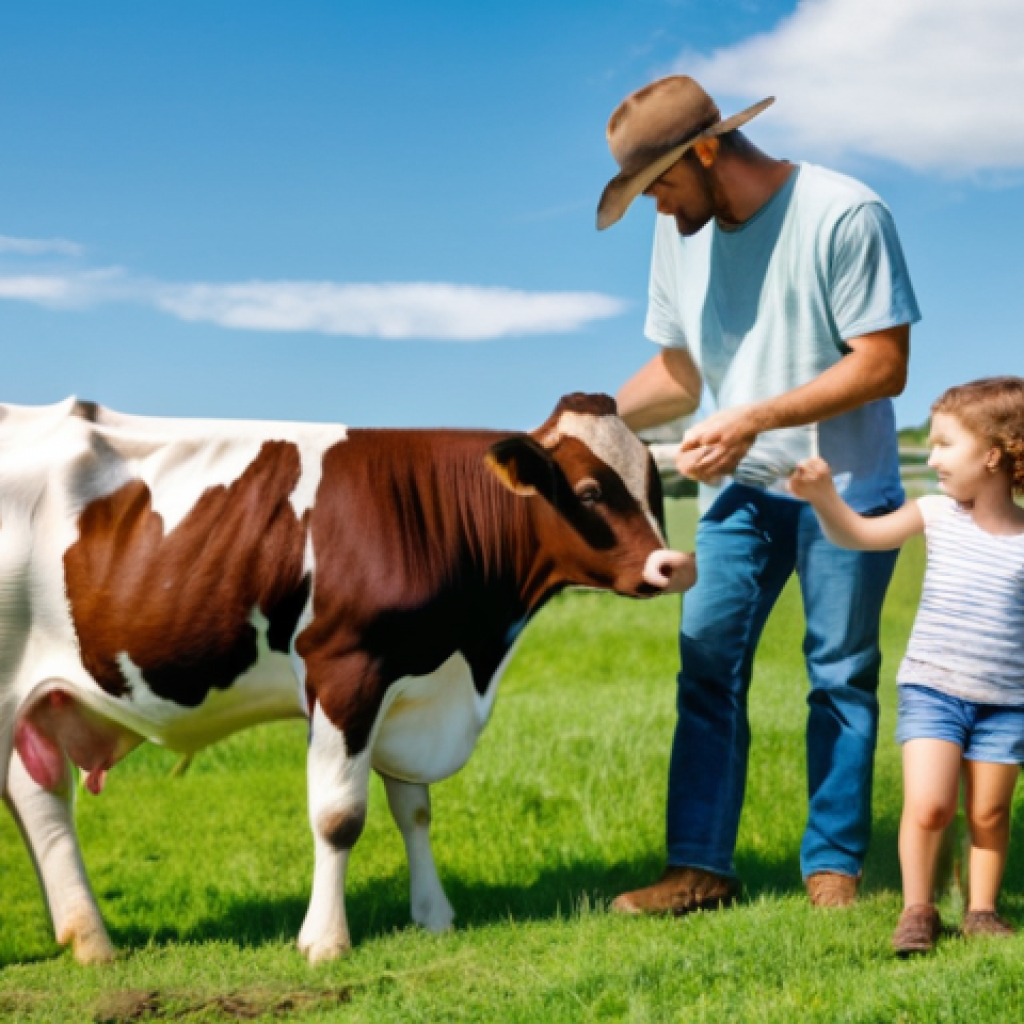
I remember one particularly memorable weekend in Vermont, staying on a working dairy farm. Waking up to the sound of cows, smelling fresh hay, and even getting to try my hand at milking (poorly, I might add!) wasn’t just a vacation; it was an education.
It fundamentally shifted my understanding of where my milk comes from and the sheer dedication involved. This isn’t just a trend; it’s a movement towards more conscious travel, where every visit contributes to a sustainable future, offering a deep dive into genuine local culture.
It truly lets you feel like a part of something bigger than just your immediate surroundings, offering a tangible connection to the land and its stewards.
The Economic Harvest: Beyond Just Sunsets
But it’s not just about the lovely photos and fresh air; there’s a serious economic backbone to this shift, one I’ve seen strengthen countless rural communities.
My own experience has shown me how a well-run farm stay or a thriving farmers’ market can breathe new life into areas that might otherwise struggle. When visitors choose to spend their hard-earned dollars at local farm shops, small-town restaurants, and independent craft stores, that money directly supports the families and individuals who call these places home.
It creates jobs, encourages local entrepreneurship, and helps to preserve the unique character of these regions. I’ve heard countless stories from farmers who, thanks to the diversified income streams from agritourism, have been able to keep their family farms going for another generation, investing in new equipment or sustainable practices.
It’s a beautiful cycle: visitors get an authentic, enriching experience, and the rural economy gets a much-needed boost, proving that a little bit of curiosity and tourism can yield a truly bountiful harvest for everyone involved.
Pioneering the Fields: Cutting-Edge Agricultural Innovations
Smart Farming: Tech in the Tiller’s Hand
It blows my mind how far agriculture has come, and frankly, I’m constantly learning about new advancements that sound straight out of a sci-fi movie. When I first started digging into this, I pictured tractors and barns, but the reality is so much more sophisticated.
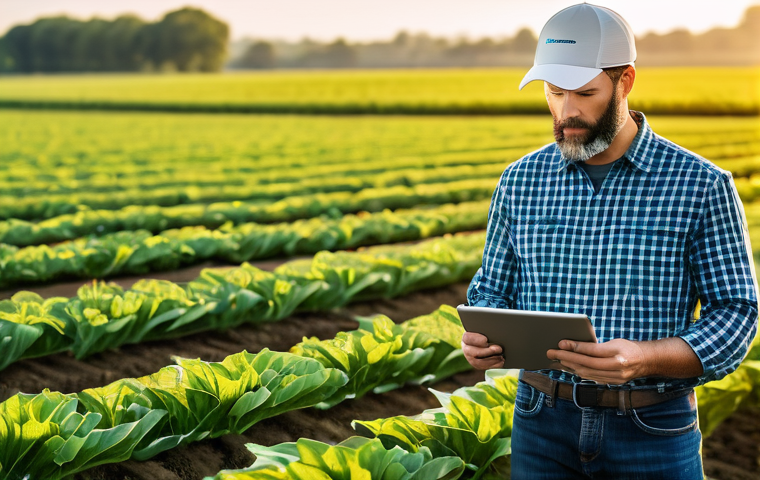
We’re talking about drones surveying fields to monitor crop health with incredible precision, AI algorithms optimizing irrigation schedules to conserve water, and even robotic harvesters that can pick delicate produce with gentle accuracy.
I recently read about a farm in California that uses hyper-spectral imaging from drones to detect nutrient deficiencies in specific sections of their fields even before they’re visible to the human eye.
This means farmers can apply fertilizers exactly where needed, reducing waste and boosting yields sustainably. This isn’t just about efficiency; it’s about minimizing environmental impact and ensuring we can feed a growing population.
It really makes you appreciate the blend of age-old wisdom and modern ingenuity that’s defining agriculture today.
Sustaining Our Future: Research for Resilience
Beyond the gadgets, there’s a whole world of dedicated research quietly working to solve some of the planet’s biggest challenges. Think about climate change, dwindling water resources, and the need for more nutritious food.
Agricultural research is at the forefront of developing drought-resistant crops, discovering natural pest control methods, and pioneering regenerative farming techniques that actually improve soil health.
I was fascinated to learn about gene-editing technologies that can create crops more resilient to diseases or extreme weather, drastically reducing crop loss and ensuring food security.
What truly impresses me is how this research often circles back to benefit even the smallest family farms. The knowledge and new varieties developed in labs eventually make their way to local farmers, empowering them with the tools they need to thrive in an unpredictable world.
It’s an ongoing, vital quest to create a more resilient, abundant, and environmentally responsible food system for all of us.
More Than Just a Visit: Cultivating Authentic Connections
Experiencing the Source: From Soil to Supper
What I’ve personally come to love about true agritourism isn’t just seeing a farm; it’s *being* on a farm, getting your hands dirty, and understanding the incredible journey our food takes from the earth to our plates.
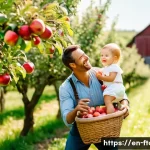
There’s something so visceral and rewarding about picking a fresh apple right from the tree, or learning how to make cheese from scratch, or even helping gather eggs in the morning.
I recall a wonderful olive oil tasting experience in Tuscany where the farmer explained, with such passion, the nuances of different olive varieties and pressing techniques.
It transformed my appreciation for that simple bottle of oil in my pantry. These experiences are designed not just for enjoyment, but for education, giving us a tangible connection to the food we eat and the hard work that goes into producing it.
It’s a chance to meet the actual people behind our food, hear their stories, and appreciate the immense dedication required to nurture the land.
Empowering Local Communities: A Two-Way Street
Beyond the personal enrichment, the impact on local communities is something I genuinely champion. When you choose an agritourism experience, you’re not just spending money; you’re investing directly in the fabric of a rural town.
I’ve seen this firsthand in numerous small towns across the US and Canada where, thanks to a thriving local winery or a popular farm-to-table restaurant, new businesses have sprung up, artists have found a market for their crafts, and local events have flourished.
These tourist dollars help to maintain essential services, fund local schools, and preserve the unique cultural heritage that defines these areas. It’s a powerful two-way street: visitors gain authentic, unforgettable experiences, and in return, they contribute to the economic vitality and cultural preservation of these often-overlooked regions.
It’s a powerful reminder that our travel choices have a ripple effect far beyond our immediate enjoyment, creating lasting benefits for the communities we visit.
The Green Architects: Designing a Sustainable Tomorrow
Biodiversity Boosts: Nature as a Partner
It’s always struck me how much wisdom lies in observing nature, and agricultural research is increasingly recognizing this, aiming to work *with* ecosystems rather than against them.
This is where the concept of boosting biodiversity on farms really shines. I’ve heard researchers talk about everything from planting hedgerows to create habitats for beneficial insects (nature’s pest control!) to rotating diverse crops that enrich the soil.
It’s about building a resilient farm ecosystem where different species support each other, reducing the need for harsh chemicals and promoting overall environmental health.
On a recent trip to a regenerative farm in Oregon, I saw how they integrated chickens into their vineyard operations, with the birds naturally fertilizing the soil and eating pests, all while producing delicious eggs.
It was a beautiful, elegant solution that demonstrated how farms can be vibrant hubs of biodiversity, not monocultural zones.
Water Wise: Innovative Irrigation and Conservation
Water, as we all know, is becoming an increasingly precious resource, and nowhere is this felt more acutely than in agriculture. This is why the relentless pursuit of water-wise innovations in agricultural research is so incredibly vital.
I’ve been fascinated by advancements like precision irrigation systems that deliver water directly to the plant roots, minimizing evaporation and runoff.
Beyond that, researchers are developing drought-resistant crop varieties that can thrive with significantly less water, which is a game-changer for regions facing severe water scarcity.
I once visited a research facility in Arizona where they were experimenting with different types of soil amendments that drastically improve water retention, meaning farmers could irrigate less frequently.
These innovations aren’t just about saving water; they’re about ensuring the long-term viability of agriculture in a changing climate, making sure that future generations will also have access to nutritious food.
Charting Your Own Course: Crafting Memorable Agri-Adventures
Finding Your Niche: From Wineries to Alpaca Farms
Honestly, the sheer diversity of rural tourism options out there is astounding, and it’s something I absolutely adore discovering! It’s not just about picking apples anymore – though that’s still a fantastic experience!
I’ve been to lavender farms where you can make your own essential oils, goat dairies offering cheese-making workshops, and even alpaca farms where you can learn about fiber arts.
Every region seems to have its own unique agricultural gems waiting to be explored. A friend of mine recently spent a weekend at a mushroom farm, learning about gourmet fungi cultivation, and came back raving about it!
What I’ve found is that these experiences cater to such a wide range of interests, whether you’re a foodie, an aspiring homesteader, an animal lover, or just someone looking for a peaceful escape with a twist.
The key is to think about what genuinely excites you and then search for those specialized rural experiences.
Planning Your Perfect Getaway: Tips for the Conscious Traveler
So, how do you plan one of these incredible agri-adventures? My biggest tip is to start by thinking local, even if “local” means a few hours’ drive. Look up regional tourism boards or “agritourism” associations in the area you’re interested in.
They often have comprehensive lists of farms, wineries, and rural businesses that welcome visitors. Don’t be afraid to call ahead! Many smaller operations appreciate a heads-up, and you might even get insider tips on the best time to visit or special events.
I always recommend checking reviews, but also paying attention to what previous visitors *experienced*, not just if the place was “nice.” And importantly, go with an open mind and a willingness to learn.
These aren’t always five-star resorts; they’re working farms, and part of the charm is embracing the authentic, sometimes rustic, experience. Pack comfortable shoes, be prepared for weather changes, and most importantly, be ready to disconnect and reconnect with the land.
Here’s a little snapshot of some popular choices:
| Experience Type | What You’ll Find | Perfect For |
|---|---|---|
| Farm Stays | Hands-on farming, fresh produce, quiet evenings | Families, those seeking an authentic rural life |
| Agritourism Experiences | Wineries, breweries, cooking classes, harvest festivals | Foodies, experiential learners |
| Nature & Wildlife Escapes | Hiking, bird watching, glamping, eco-lodges | Nature lovers, adventure seekers |
| Heritage & Culture Tours | Historical farms, craft workshops, local markets | Culture enthusiasts, history buffs |
Bridging the Divide: How Research Elevates Rural Charm
Data-Driven Decisions: Enhancing the Tourist Experience
It might sound a little clinical, but even the charming world of rural tourism can significantly benefit from insights gleaned through research. Think about it: understanding visitor preferences, identifying peak seasons, or even analyzing the economic impact of different types of agritourism can help rural businesses tailor their offerings and maximize their appeal.
I’ve seen some incredible examples where local tourism boards used data to identify underserved markets, leading to the development of unique themed tours or seasonal events that attracted a whole new demographic.
For instance, research into the growing demand for sustainable travel has encouraged many farm stays to highlight their eco-friendly practices, attracting a conscious traveler segment.
It’s about working smarter, not just harder, and ensuring that the authentic charm of a rural destination is effectively communicated to those who would most appreciate it, creating a win-win for both visitors and hosts.
Knowledge Sharing: Farmers and Visitors Learning Together
One of the most powerful aspects of this intersection is the incredible potential for knowledge sharing. Agricultural research generates vast amounts of information – about sustainable practices, new crop varieties, efficient water use, and so much more.
When rural tourism activities are designed to integrate these insights, visitors don’t just observe; they learn. Imagine a winery tour that explains the science behind organic viticulture, or a farm visit that details how cover crops prevent soil erosion.
I firmly believe that when visitors understand the ‘why’ behind certain farming practices, their appreciation deepens, and they might even take those lessons home to apply in their own lives.
Conversely, direct feedback from visitors can sometimes even inform future research directions, highlighting practical challenges or emerging interests.
It creates a dynamic, interactive loop where both farmers and visitors become more informed, more engaged, and more passionate about the future of food and our rural landscapes.
The Journey Continues: Investing in Our Rural Landscapes
Policy & Passion: Supporting Rural Growth
It’s clear that the magic happening in rural tourism and agricultural research isn’t just spontaneous; it often requires a supportive hand from thoughtful policy and passionate individuals.
Governments, both local and national, play a crucial role in creating programs and incentives that encourage sustainable farming practices and promote rural development.
I’ve seen how grants for agritourism infrastructure, tax breaks for conservation efforts, or funding for agricultural research initiatives can truly be game-changers for communities.
It’s not just about throwing money at problems, though; it’s about strategic investment that nurtures growth while preserving the unique character of these areas.
And then there’s the passion – the incredible dedication of farmers, researchers, and local entrepreneurs who are the true driving force. Their unwavering commitment to their land, their craft, and their communities is what truly makes these rural landscapes so vibrant and vital.
The Next Generation: Inspiring Future Farmers and Advocates
Perhaps one of the most heartwarming outcomes of this growing interest in rural life and food systems is the inspiration it provides for the next generation.
When young people visit a working farm, see cutting-edge agricultural technology, or learn about the science behind sustainable food production, it plants a seed of curiosity and possibility.
I’ve met countless students who, after an impactful farm visit, expressed a newfound interest in agriculture, environmental science, or culinary arts.
It’s about showing them that these fields aren’t just traditional labor but dynamic, innovative sectors brimming with opportunities. By fostering this early engagement, we’re not only cultivating future farmers and researchers but also raising a generation of informed consumers who understand and value where their food comes from.
It ensures that the vital work of feeding the world and sustaining our rural landscapes will continue to thrive for decades to come.
Wrapping Things Up
What a journey we’ve taken through the fields and farms, from quiet escapes to the cutting-edge of agricultural innovation! I’ve personally found immense joy and profound learning in exploring the world of rural tourism and understanding the incredible dedication behind our food systems.
It’s truly more than just a visit; it’s an opportunity to forge genuine connections, support thriving communities, and witness firsthand how passion and progress are shaping a more sustainable future for us all.
So, next time you’re planning an escape, consider heading off the beaten path – you might just discover a whole new world of wonder and purpose.
Good-to-Know Information
1. Always Research Ahead: Before you embark on your rural adventure, take some time to explore local tourism boards or specialized agritourism websites for your chosen destination. They often have comprehensive lists of farms, wineries, and experiences, along with up-to-date operating hours and booking information. This ensures you find exactly what you’re looking for and avoid any surprises.
2. Pack Smart and Practically: Remember, many of these are working environments! My advice? Forget the fancy shoes and opt for comfortable, sturdy footwear that can handle a little dirt. Layers are also key, as weather in rural areas can change quickly. Sunscreen, a hat, and a reusable water bottle are always good companions for a day out in the fields or vineyards.
3. Engage with Local Economy: One of the most rewarding parts of agritourism is the direct impact you can have. Make a point to buy products directly from farm shops, enjoy meals at local, independently-owned restaurants, and seek out artisan crafts. Every dollar you spend directly supports the families and businesses that make these rural communities so unique and vibrant.
4. Ask Questions and Connect: Farmers, producers, and researchers are often incredibly passionate about what they do and love sharing their knowledge. Don’t be shy! My best experiences have always come from striking up conversations, asking about their methods, and truly listening to their stories. It transforms a simple visit into a truly memorable and educational interaction.
5. Respect the Land and Its Keepers: Remember that you are often a guest on private property and in a working environment. Follow any posted rules, stay on designated paths, and always be mindful of farm animals and equipment. Leaving no trace, respecting the quiet of the countryside, and appreciating the hard work that goes into it ensures these precious places remain accessible and beautiful for everyone.
Key Takeaways
My journey into agritourism has shown me that it’s a truly powerful way to travel, offering rich, authentic experiences that go far beyond a typical vacation.
It’s a fantastic opportunity to understand where our food comes from, connect with the dedicated individuals who cultivate it, and witness the incredible innovations shaping sustainable agriculture.
By choosing to visit and support these rural destinations, you’re not just creating unforgettable memories for yourself; you’re actively contributing to the economic vitality, cultural preservation, and environmental stewardship of these invaluable communities.
It’s an investment in a more connected, informed, and resilient future for all of us.
Frequently Asked Questions (FAQ) 📖
Q: How exactly are “rural tourism” and “agricultural research” becoming so interconnected, and why should I care?
A: That’s a fantastic question, and honestly, it’s what first sparked my deep dive into this whole topic! When I initially thought about it, “rural tourism” conjured up images of charming bed and breakfasts and scenic hikes, while “agricultural research” sounded like white lab coats and controlled environments.
But what I’ve discovered, seeing it firsthand across various communities, is how beautifully these two seemingly different worlds are braiding together.
Think about it: research into sustainable farming practices, new crop varieties, or innovative pest control isn’t just happening in a sterile lab anymore.
It’s actively being implemented on farms that are also opening their gates to visitors. I’ve walked through vineyards in California that are experimenting with drought-resistant grapes, and they’ve set up incredible tours where you can learn about their scientific breakthroughs while sipping on their latest vintage.
Or picture a working farm in Vermont that’s perfecting organic dairy methods; they host guests who get to milk cows and learn about the science behind regenerative grazing.
Rural tourism, or agri-tourism as it’s often called, provides the perfect living laboratory and a vital income stream for these innovative farms. It gives researchers real-world feedback and an audience eager to learn, and it gives us, the consumers, a chance to truly understand where our food comes from and why sustainable practices matter.
It’s about translating complex scientific findings into tangible, enjoyable, and educational experiences that benefit everyone. We should care because it’s revolutionizing our connection to food, land, and community in incredibly meaningful ways, creating a more resilient future right before our eyes.
Q: What kinds of tangible benefits are these trends bringing to local communities and our food system?
A: Oh, the benefits are just immense, and I’ve seen them transform entire communities! It’s truly a win-win scenario that reaches far beyond just pretty Instagram photos.
For local rural communities, this synergy is a lifeline. Imagine a small town that was struggling as farming became tougher – now, suddenly, visitors are coming for farm tours, staying in local accommodations, eating at their restaurants, and buying artisan goods.
This influx creates new jobs, from tour guides and farm-stand staff to chefs focusing on farm-to-table cuisine, revitalizing the local economy. I remember visiting a once-quiet village in upstate New York where a couple of innovative farms started offering “pick-your-own” experiences alongside educational workshops on soil health.
Within a year, the local diner saw a boom in business, a new craft brewery opened, and the whole atmosphere felt vibrant again. For our food system, the impact is even more profound.
Agricultural research, when applied and showcased through rural tourism, helps accelerate the adoption of sustainable practices. People visiting these farms see directly how organic methods, water conservation, or biodiversity benefit the land and produce healthier food.
This builds consumer awareness and demand for better, more ethically produced food, pushing the entire industry forward. We’re talking about stronger local food chains, reduced carbon footprints from less transportation, and a greater appreciation for the hard work that goes into every meal.
It’s about cultivating a healthier planet and more connected, prosperous communities.
Q: I’m intrigued! How can an average person like me get involved or experience these exciting shifts firsthand?
A: If you’re anything like me, you’re probably itching to dive in and experience this magic yourself – and the good news is, it’s incredibly accessible! My personal favorite way to explore is to simply start local.
Check out your nearest farmers’ market, not just for produce, but to chat with the farmers. Many of them are fantastic sources of information about local agri-tourism opportunities, farm visits, or even volunteer days.
I’ve found some of the best hidden gems this way, like a small goat farm near me that offers cheese-making classes because of their research into artisanal dairy.
Another fantastic avenue is to look up “agri-tourism” or “farm stays” in regions you’re planning to visit. Websites like Agritourism World or even general travel sites often list farms that welcome visitors for tours, overnight stays, or hands-on experiences like harvesting or animal care.
You can literally book a vacation where you learn about cutting-edge agricultural tech or traditional farming methods. Don’t forget about local university extension offices or agricultural colleges; they often host public events, workshops, or demonstration days showcasing their latest research, which can be super insightful.
And if you’re not able to travel, support businesses that explicitly champion sustainable agriculture and local sourcing. Seek out restaurants that highlight their farm partners, or subscribe to a CSA (Community Supported Agriculture) box.
Every choice you make to connect with and support these interwoven fields helps to amplify their positive impact. Trust me, once you start, you’ll see the world of food and community in a whole new, exciting light!