Master the Art of Salary Negotiation as a Rural Tourism Guide for Maximum Earnings

webmaster

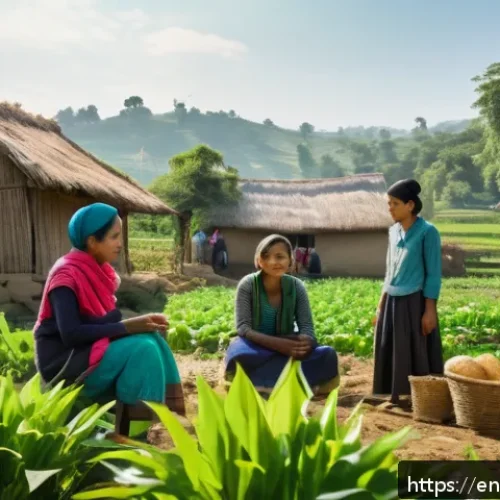
농촌관광지도사 연봉협상 팁 - A confident rural tourism guide, dressed in practical outdoor clothing and sturdy hiking boots, lead...

Navigating salary negotiations can feel daunting, especially in niche fields like rural tourism guiding where pay scales often vary widely. With travel trends shifting towards authentic, local experiences, now is the perfect time to ensure your earnings reflect the true value you bring.

농촌관광지도사 연봉협상 팁 관련 이미지 1

Whether you’re just starting out or looking to boost your income, mastering the art of negotiation is key to unlocking better pay and job satisfaction.

Let’s explore practical strategies that have helped guides like you secure fair compensation while building lasting connections with travelers. Ready to take control of your financial future in this exciting industry?

Keep reading to discover how!

Understanding Your Worth in Rural Tourism Guiding

Researching Market Rates for Local Guides

When you first dive into salary negotiations, knowing the typical pay range for rural tourism guides in your area is crucial. Rates can differ dramatically depending on location, season, and the type of tours offered.

For example, guides working in regions popular with eco-tourists or cultural explorers often command higher fees than those in less-visited areas. I’ve found that browsing local job boards, tourism company websites, and even reaching out to fellow guides can provide a clearer picture of what to expect.

This groundwork builds your confidence and arms you with data when it’s time to discuss compensation.

Assessing Your Unique Skills and Experience

Not all guides are created equal—your personal skill set can set you apart. Maybe you speak multiple languages, have deep knowledge of local history, or offer specialized tours like birdwatching or culinary experiences.

These assets should factor into your salary expectations. When I negotiated my last contract, I highlighted my certification in sustainable tourism and years of positive traveler feedback, which helped me secure a better rate.

Don’t undersell yourself; be ready to explain how your talents enhance the traveler’s experience and justify a higher wage.

Considering the Value of Intangible Benefits

Salary isn’t the only form of compensation. Sometimes, guides receive perks like free accommodation, meals, or transportation, which can significantly offset living costs.

In my case, accepting a slightly lower hourly rate was worthwhile because the employer provided lodging and meals in remote areas where options were limited.

When negotiating, weigh these benefits carefully. They might make a seemingly modest salary more attractive overall.

Advertisement

Timing Your Negotiation for Maximum Impact

Choosing the Right Moment to Talk Money

Timing can be everything in salary discussions. Starting negotiations right after a successful season or positive guest reviews can give you a stronger position.

For instance, I always prepare my talking points and request a meeting once I’ve completed several well-reviewed tours. This way, I can present recent proof of my value rather than relying on outdated accomplishments.

Avoid raising salary topics during busy or stressful periods, as your employer might be less receptive.

Preparing Your Pitch with Confidence

Going into negotiations without a clear plan can leave you feeling unprepared and uneasy. I like to write down my key points ahead of time—my experience, achievements, and the market research I’ve gathered.

Practicing this pitch aloud helps me sound natural and assertive instead of robotic. Remember, negotiation is a conversation, not a confrontation. Approach it with the mindset of mutual benefit rather than demand.

Handling Pushback Gracefully

Not all employers will immediately agree to your terms. Be ready for counteroffers or hesitations. In my experience, showing flexibility while reiterating your worth helps keep the dialogue positive.

For example, if a guide company can’t meet your salary request, they might offer other perks or a performance review in a few months. Accepting these alternatives can be a smart move, especially if you believe in the company’s growth potential.

Advertisement

Building Long-Term Relationships Through Negotiation

Establishing Trust and Professionalism

Negotiating salary isn’t just about money; it’s about building a respectful relationship with your employer. I always aim to communicate clearly and honestly, which has helped me gain trust and repeat bookings.

Employers appreciate guides who understand their constraints but still advocate for fair compensation. This balance fosters a collaborative atmosphere that benefits both parties in the long run.

Leveraging Positive Feedback to Strengthen Your Position

Collecting and sharing guest testimonials can be a powerful negotiation tool. When I present glowing reviews during salary talks, it reminds employers of the direct impact I have on customer satisfaction and business success.

If you don’t already gather feedback systematically, start now—whether through follow-up emails or printed guest books. This real-world evidence can tip the scales in your favor.

Planning for Future Growth and Raises

Negotiations aren’t one-and-done events. It’s wise to discuss potential for raises or bonuses down the line. I’ve found that setting clear goals with my employer, such as achieving a certain number of tours or guest ratings, creates a roadmap for salary increases.

This proactive approach signals your commitment and keeps the conversation open for ongoing improvements in your earnings.

Advertisement

Practical Tools to Track and Present Your Value

Keeping a Detailed Work Log

Tracking your tours, hours, and client feedback can help quantify your contributions. I maintain a spreadsheet where I log every tour, including distance traveled, guest count, and special services provided.

This data becomes invaluable during negotiations, offering concrete examples rather than vague claims. It also helps identify peak seasons and busy periods where premium pay might be justified.

Creating a Professional Portfolio

A well-organized portfolio showcasing your certifications, photos from tours, and testimonials can impress potential employers or clients. I’ve noticed that having a digital portfolio ready to share makes me appear more professional and serious about my career.

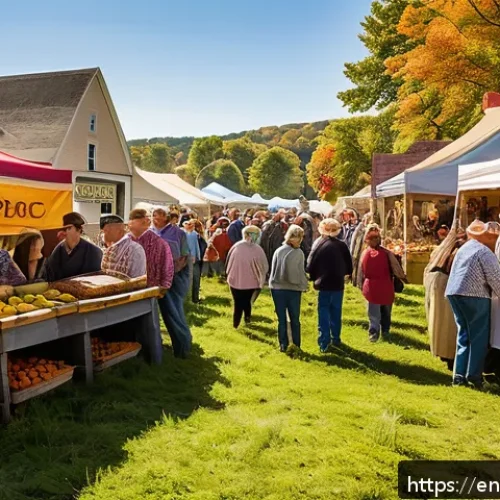
농촌관광지도사 연봉협상 팁 관련 이미지 2

This visual evidence supports your salary demands by highlighting your expertise and dedication.

Utilizing Technology to Your Advantage

Modern tools like scheduling apps, GPS tracking, and even social media presence can boost your credibility and efficiency. I use apps to streamline bookings and communicate with clients, which frees up time and enhances service quality.

Mentioning how you leverage technology to improve the guest experience can justify a higher wage, showing you bring more than just basic guiding skills.

Advertisement

Comparing Compensation Models in Rural Tourism

Hourly Wage vs. Fixed Salary

Guides often face the choice between hourly pay and a fixed monthly salary. Hourly rates offer flexibility and potentially higher earnings during busy seasons but can be unstable.

Salaries provide steady income but may not reflect workload fluctuations. I personally prefer hourly pay because it rewards my effort directly, but some colleagues appreciate the security of a fixed salary, especially if they have other income sources.

Commission and Tips as Income Boosters

In some settings, guides earn commissions from tour sales or receive tips from satisfied clients. While not guaranteed, these extras can significantly increase total income.

I always encourage travelers to tip if they enjoyed the experience, and I’ve seen my monthly earnings jump thanks to generous guests. Negotiating a fair commission rate with employers can also be worthwhile if you’re actively involved in sales.

Seasonal Contracts and Bonuses

Many rural tourism guides work on seasonal contracts that include end-of-season bonuses based on performance. These bonuses can be a great incentive to deliver exceptional service.

In my case, I’ve negotiated clauses that reward me for exceeding guest satisfaction targets, which motivates me to go the extra mile. When discussing contracts, ask about these bonus structures and how you can qualify.

Compensation Model Advantages Considerations
Hourly Wage Flexible, directly rewards work hours, potential for higher earnings in peak times Income can fluctuate, may lack benefits or job security
Fixed Salary Stable income, easier budgeting, sometimes includes benefits May not compensate for extra hours or seasonal demand
Commission & Tips Potential to significantly boost income, incentivizes sales and quality service Unpredictable, dependent on client generosity and sales volume
Seasonal Bonuses Rewards high performance, motivates consistent quality Often based on subjective criteria, not guaranteed every season
Advertisement

Effective Communication Strategies During Negotiation

Active Listening and Responding

Good negotiation isn’t just about stating your demands; it’s about listening carefully to the employer’s concerns and responding thoughtfully. When I negotiate, I make sure to pause and absorb what’s being said before replying.

This shows respect and can reveal underlying issues that you might address creatively, such as adjusting work hours instead of pay.

Using Positive Language and Framing

How you say things matters. Framing your requests positively, like “I’m excited to contribute more by taking on additional tours if the compensation reflects that,” often gets better results than blunt demands.

I’ve learned that expressing enthusiasm and willingness to grow makes employers more open to negotiation, seeing you as a partner rather than a complainer.

Being Ready to Walk Away

While it’s not always easy, being prepared to say no if the offer doesn’t meet your minimum expectations is empowering. I’ve had situations where I declined lowball offers and instead found better opportunities elsewhere.

Knowing your bottom line and sticking to it demonstrates professionalism and self-respect, which ultimately benefits your career.

Advertisement

In Conclusion

Understanding your value as a rural tourism guide is key to securing fair compensation. By researching market rates, highlighting your unique skills, and timing your negotiations well, you can confidently advocate for yourself. Remember, negotiation is a two-way conversation that builds long-term relationships and opens doors for future growth. Approach it with preparation and professionalism to maximize your earnings and career satisfaction.

Advertisement

Helpful Information to Keep in Mind

1. Research local market rates thoroughly to understand what guides in your area typically earn.

2. Emphasize your unique qualifications and specialized skills when discussing your worth.

3. Consider non-monetary benefits such as accommodation or meals as part of your total compensation.

4. Use positive language and active listening to create a collaborative negotiation atmosphere.

5. Keep detailed records and collect guest feedback to support your requests for higher pay.

Advertisement

Key Takeaways for Effective Negotiation

Negotiating your salary in rural tourism requires a clear understanding of both your tangible and intangible value. Prepare by gathering market data and personal achievements, communicate confidently and respectfully, and remain flexible when facing counteroffers. Building trust with your employer and planning for future raises ensures ongoing career development. Lastly, know your worth well enough to walk away if the offer doesn’t meet your minimum expectations, maintaining your professionalism and self-respect.

Frequently Asked Questions (FAQ) 📖

Q: uestions about Salary Negotiation for Rural Tourism GuidesQ1: How can I determine the right salary to ask for as a rural tourism guide?

A: Finding the right salary starts with research. Look into average pay rates for guides in your specific region and niche, considering factors like experience, language skills, and types of tours offered.
Don’t hesitate to reach out to local tourism associations or fellow guides for insight. Personally, I found that comparing multiple sources and factoring in the cost of living in the area helped me confidently propose a fair wage that matched my expertise and the value I provide to travelers.

Q: What are effective ways to negotiate a higher salary without risking the job offer?

A: Approach negotiation with a mindset of collaboration rather than confrontation. Highlight your unique skills, positive guest feedback, and your commitment to delivering authentic experiences.
I’ve learned that framing your request as a mutual benefit—for example, explaining how better compensation motivates you to enhance guest satisfaction—makes employers more receptive.
Also, be prepared to discuss alternatives like performance-based bonuses or flexible scheduling if a direct raise isn’t immediately possible.

Q: When is the best time to bring up salary negotiations during the hiring process?

A: Timing can make all the difference. Ideally, wait until you’ve demonstrated your value, such as after a successful trial tour or once the employer shows serious interest.
Early in the interview, focus on building rapport and understanding the role. From my experience, bringing up salary too soon can feel pushy, but waiting too long might miss opportunities.
A good rule of thumb is to let the employer initiate the topic or bring it up once you’re confident they see you as the right fit.

📚 References


➤ Link

– Google Search

➤ Link

– Bing Search

➤ Link

– Google Search

➤ Link

– Bing Search

➤ Link

– Google Search

➤ Link

– Bing Search

➤ Link

– Google Search

➤ Link

– Bing Search

➤ Link

– Google Search

➤ Link

– Bing Search

➤ Link

– Google Search

➤ Link

– Bing Search

➤ Link

– Google Search

➤ Link

– Bing Search
Advertisement