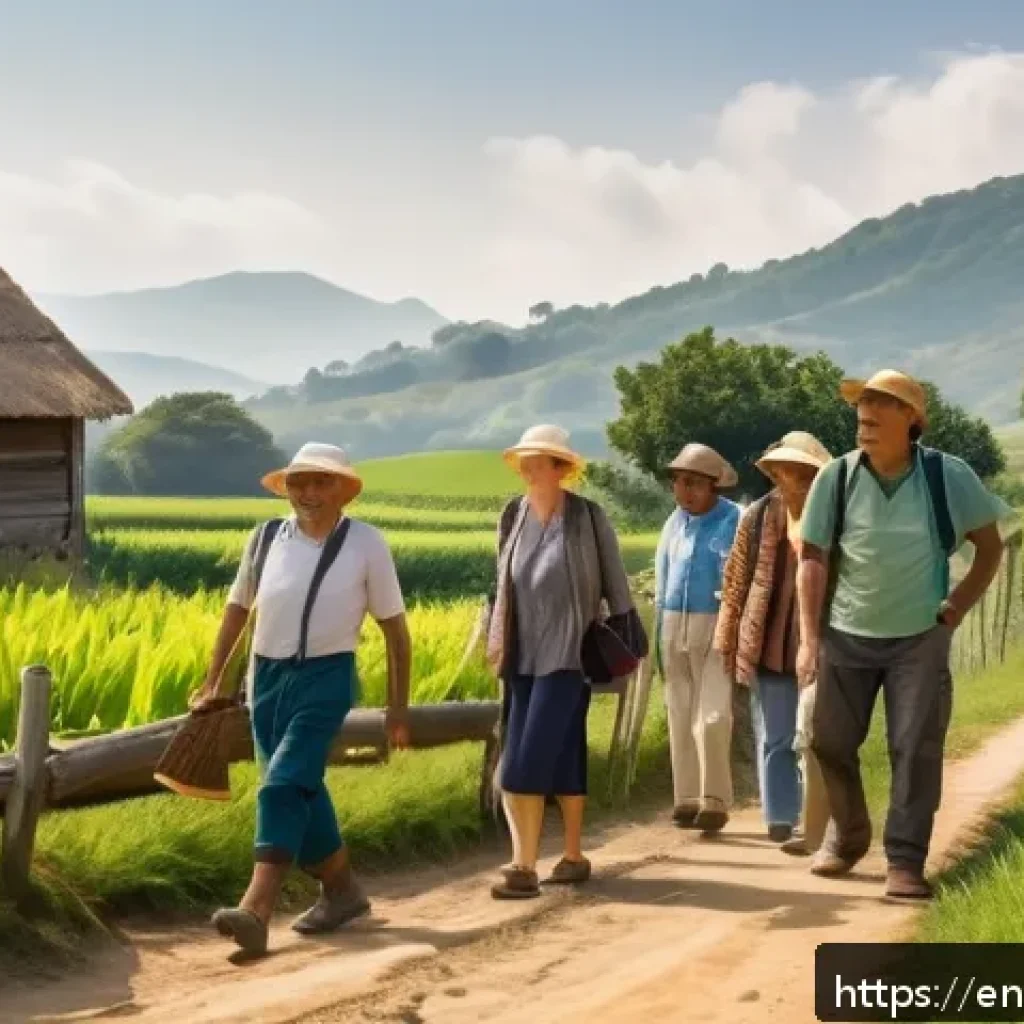
As travelers increasingly seek authentic and meaningful experiences, rural tourism is capturing the spotlight like never before. More than just scenic getaways, these destinations are becoming hubs for cultural exchange and community revitalization.
What’s truly driving this shift? Local guides who bring stories, traditions, and hidden gems to life in ways no guidebook can match. If you’ve ever wondered how small towns transform through tourism while preserving their unique charm, you’re in the right place.
Let’s dive into how rural tourism guides are not only shaping unforgettable journeys but also fostering sustainable growth for local communities. This trend is more than a travel fad—it’s a movement redefining how we connect with the world.
The Heartbeat of Rural Travel: Local Storytellers and Their Unique Role
Uncovering Hidden Narratives Beyond the Guidebook
When you think about rural travel, the charm often lies not just in the landscapes but in the stories whispered by locals who have lived there for generations.
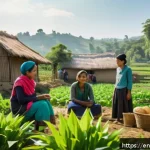
These storytellers bring a depth of experience that no printed guide can offer. I remember visiting a small village where the guide, a lifelong resident, shared tales about ancient harvest rituals and folklore that instantly connected me to the place.
This personal touch transforms a simple walk through the fields into a vivid journey through time. It’s this authentic storytelling that travelers crave today—something that makes each visit genuinely one-of-a-kind.
Local Guides as Cultural Ambassadors
Local guides act as bridges between visitors and the community’s cultural heartbeat. They aren’t just narrators; they’re ambassadors who facilitate meaningful exchanges, helping travelers understand customs, cuisine, and community values.
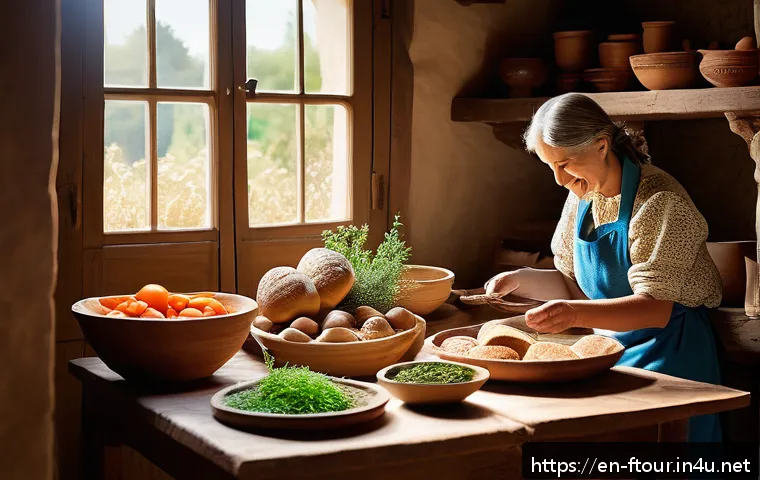
For instance, during a recent trip to a rural area, my guide invited me to participate in a traditional cooking session. This hands-on experience, coupled with the guide’s insights, made me appreciate the culture far beyond what a museum exhibit could offer.
It’s this kind of immersive engagement that fosters respect and appreciation, enriching the traveler’s experience and supporting cultural preservation.
Empowering Communities Through Tourism
The influence of local guides extends beyond storytelling—they are catalysts for community growth. By highlighting local crafts, foods, and traditions, guides help channel tourism revenue directly into small businesses and artisans, ensuring that economic benefits remain local.
From my observations, villages that actively involve their guides in tourism planning tend to see more sustainable development. This grassroots approach helps avoid the pitfalls of over-tourism, maintaining the delicate balance between welcoming visitors and preserving rural identity.
Crafting Experiences That Resonate: How Rural Tourism Embraces Authenticity
Creating Personalized Itineraries Based on Local Insight
One of the standout features of rural tourism is the ability to craft tailor-made experiences that reflect the unique character of each place. Local guides excel at this because they know the hidden trails, secret spots, and seasonal highlights that most tourists miss.
When I joined a small hiking group led by a local guide, the route we took was anything but typical—it included a detour to a family-run orchard where we tasted freshly picked fruit, a memory that still lingers.
These personalized itineraries, born from intimate local knowledge, transform ordinary trips into extraordinary adventures.
Celebrating Seasonal Festivals and Traditions
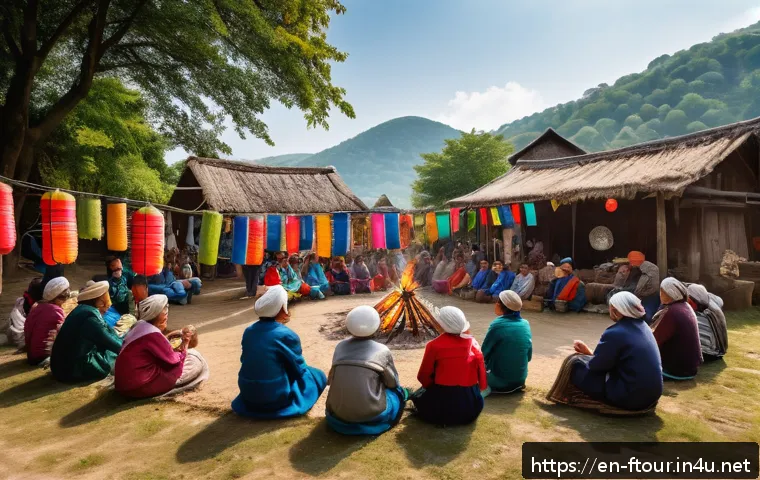
Rural areas often come alive during specific festivals or harvest seasons, which can be a magical time to visit. Local guides play an essential role in introducing travelers to these events respectfully and meaningfully.
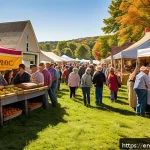
I’ve noticed that joining a community festival with a knowledgeable guide makes all the difference: you gain insider tips on participation, etiquette, and the history behind each celebration.
This level of engagement fosters genuine connections between visitors and residents and creates memories that last a lifetime.
Balancing Accessibility and Preservation
While it’s tempting to open up every corner of rural destinations to tourists, sustainability requires careful balance. Local guides are instrumental in managing visitor flow to protect fragile ecosystems and cultural landmarks.
During one trip, my guide explained how they limit group sizes and avoid peak times at sensitive sites, which not only preserves the environment but also enhances the visitor experience by reducing crowds.
This mindful approach ensures that rural tourism remains a blessing rather than a burden.
Building Trust Through Authentic Connections in Rural Settings
Fostering Genuine Interactions Between Travelers and Locals
What sets rural tourism apart is the intimacy of the connections formed. Unlike mass tourism, where encounters are often fleeting, rural settings invite deeper conversations and shared moments.
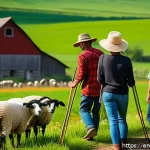
I recall a day spent helping a local family with their farm chores under the guidance of my host, which turned into an unforgettable exchange of stories and laughter.
These experiences build trust and break down barriers, making travel feel less like sightseeing and more like forming friendships.
Training and Supporting Local Guides for Excellence
The quality of rural tourism hinges on well-prepared guides who understand both their community and visitor expectations. Many rural areas now invest in training programs that equip guides with skills in storytelling, language, and sustainable practices.
From what I’ve seen, guides who receive this support tend to deliver richer, more confident experiences that satisfy travelers and respect local values.
This professional development also empowers guides economically and socially, reinforcing their role as vital community members.
Ensuring Safety and Comfort Without Losing Authenticity
Safety is often a concern for travelers venturing off the beaten path. Local guides expertly balance providing comfort and security while maintaining the raw, authentic feel of rural adventures.
On several occasions, my guides anticipated challenges like tricky terrain or weather changes, preparing us with the right gear and advice. This foresight allowed me to enjoy the authenticity of the journey without worry, highlighting how professionalism and genuine hospitality coexist in rural tourism.
Economic Ripple Effects: How Rural Tourism Revitalizes Local Economies
Supporting Small Businesses and Artisans
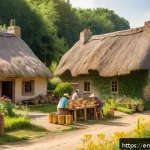
Rural tourism channels economic opportunities directly to local entrepreneurs, from family-owned inns to craft workshops. When I stayed at a countryside B&B, the owner also sold handmade pottery and organic jams sourced from nearby farms.
This integrated model keeps money circulating within the community, encouraging locals to preserve traditional crafts and farming methods. Such support is critical for regions where economic options might otherwise be limited.
Creating Employment and Skill Development Opportunities
Tourism creates a variety of jobs, from guiding and hospitality to food production and transportation. Many rural areas have seen a rise in youth employment thanks to tourism-related ventures.
I’ve met young guides who started as assistants and eventually became lead storytellers, developing language skills and entrepreneurship along the way.
This career pathway helps stem rural depopulation by offering meaningful livelihoods tied to cultural heritage.
Challenges and Solutions in Managing Growth
While economic benefits are substantial, rapid tourism growth can strain infrastructure and alter community dynamics. Local leaders and guides often collaborate to address these challenges through strategic planning and visitor education.
For example, implementing visitor caps during peak seasons or promoting off-season travel helps distribute tourism more evenly. These proactive measures protect both the community’s quality of life and the visitor experience.
Innovative Approaches to Sustainable Rural Tourism
Integrating Technology Without Losing Local Flavor
Technology plays a growing role in rural tourism, enhancing accessibility and engagement without compromising authenticity. Digital maps, audio guides narrated by locals, and virtual reality previews offer new ways to connect with rural destinations.
I recently used an app developed by a community cooperative that included interviews with elders and recipes for local dishes, which enriched my visit significantly.
The key is using tech as a tool to complement, not replace, human interaction.
Community-Led Conservation Efforts
Sustainability in rural tourism often involves protecting natural and cultural assets through community initiatives. Many villages now organize clean-up events, reforestation projects, and heritage site restorations with the help of tourists.
Participating in these efforts during a trip adds a meaningful dimension to travel. I’ve found that visitors who contribute feel a deeper bond with the place and leave with a sense of shared responsibility.
Promoting Slow Travel and Mindful Exploration
The slow travel movement aligns perfectly with rural tourism’s ethos, encouraging travelers to immerse themselves fully and respect local rhythms. Local guides champion this approach by designing experiences that favor quality over quantity, like extended homestays or multi-day farm stays.
In my experience, slowing down allows for richer sensory engagement and meaningful conversations, transforming travel from a checklist activity into a soulful encounter.
Measuring Impact: The Tangible Benefits of Rural Tourism Guides
Economic Indicators and Community Well-being
The presence of skilled local guides correlates strongly with increased tourism revenue and community satisfaction. Villages with active guide programs often report higher visitor spending, better preservation of cultural assets, and enhanced social cohesion.
This is because guides help create authentic experiences that encourage longer stays and repeat visits.
Visitor Feedback and Repeat Tourism
Positive traveler reviews frequently highlight the role of local guides in shaping memorable journeys. From my own feedback submissions and conversations, guides who engage visitors with warmth, knowledge, and personal stories inspire loyalty and word-of-mouth promotion.
This ongoing relationship between guides and travelers fuels a sustainable tourism cycle.
Long-Term Cultural and Environmental Preservation
By fostering respect and understanding, local guides contribute to preserving rural heritage and environments for future generations. This stewardship ensures that tourism enriches rather than exploits, creating a legacy that benefits both residents and visitors.
| Aspect | Role of Local Guides | Community Impact | Traveler Benefit |
|---|---|---|---|
| Cultural Exchange | Interpret traditions, share stories, facilitate participation | Preserves heritage, strengthens identity | Authentic, immersive experience |
| Economic Growth | Promote local products, support small businesses | Job creation, local income retention | Access to unique goods and services |
| Sustainability | Manage visitor flow, educate on preservation | Protect environment and landmarks | Enjoy uncrowded, pristine sites |
| Safety and Comfort | Prepare visitors, anticipate risks | Maintains community wellbeing | Safe, worry-free travel |
| Skill Development | Receive training, improve guiding quality | Empowers locals, enhances professionalism | Higher quality service and interaction |
Conclusion
Local storytellers and guides are the heart and soul of rural travel, enriching every journey with authentic experiences and deep cultural insights. Their unique role not only connects travelers to hidden narratives but also fosters sustainable community growth. Embracing these genuine connections transforms a simple trip into a memorable adventure that benefits both visitors and locals alike.
Helpful Information
1. Engaging with local guides offers access to exclusive stories and traditions that aren’t found in typical travel guides.
2. Participating in community activities through guides deepens cultural understanding and respect.
3. Supporting local businesses via tourism helps preserve rural economies and traditions.
4. Sustainable tourism practices guided by locals protect fragile environments and cultural sites.
5. Investing time in slow travel and personalized itineraries enhances the overall travel experience.
Key Takeaways
Local guides serve as cultural ambassadors who create meaningful and immersive experiences while promoting economic and environmental sustainability. Their expertise ensures safety and comfort without compromising authenticity. By fostering genuine connections and supporting community-led initiatives, rural tourism becomes a force for preserving heritage and revitalizing local livelihoods. Travelers who seek these authentic interactions not only enjoy richer adventures but also contribute positively to the destinations they visit.
Frequently Asked Questions (FAQ) 📖
Q: uestions about Rural Tourism GuidesQ1: How do rural tourism guides enhance the travel experience compared to traditional guidebooks?
A: Rural tourism guides bring a personal touch that no guidebook can offer. Through their deep knowledge and firsthand experience, they share local stories, traditions, and hidden spots that travelers would otherwise miss.
Their ability to connect visitors with the community’s authentic culture creates meaningful interactions, turning a simple trip into a memorable journey.
I’ve noticed that when a guide shares their own experiences or introduces you to locals, it adds a layer of warmth and authenticity that’s impossible to replicate from reading alone.
Q: What role do rural tourism guides play in supporting sustainable development within small communities?
A: These guides act as ambassadors for sustainable tourism by promoting responsible travel practices that respect local customs and the environment. They help distribute tourist activity more evenly across the community, reducing overcrowding and preserving delicate ecosystems.
From my experience, guides who emphasize supporting local businesses and cultural events encourage visitors to contribute directly to the community’s economy, ensuring that tourism benefits everyone without compromising the town’s unique character.
Q: Can rural tourism still preserve the authenticity of a place even with increased visitor numbers?
A: Absolutely, but it requires a thoughtful approach led by knowledgeable guides and community collaboration. Guides play a key role in educating tourists about the importance of respecting traditions and the environment.
When visitors understand the value of preserving local culture, they tend to behave more mindfully. I’ve seen small towns successfully balance tourism growth with authenticity by involving guides in planning and by limiting mass tourism activities, which keeps the charm intact while welcoming curious travelers.