Don’t Get Left Behind The Explosive Growth of Rural Tourism Guide Careers

webmaster

농촌관광지도사 직업 전망 - "The Baker's Wisdom: A Cotswolds Culinary Journey"**

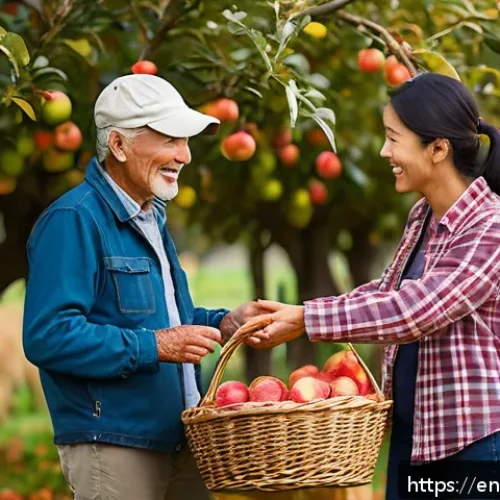
"A heartwarming indoor scene depicting an elde...

Have you ever dreamt of a job that combines your passion for nature, local culture, and helping others discover hidden gems? In a world increasingly dominated by fast-paced city life and digital overload, more and more people are yearning for authentic, unplugged experiences.

That’s exactly where the role of a rural tourism specialist truly shines. From quaint farm stays to bespoke nature treks and immersive cultural workshops, these professionals are at the forefront of a booming industry, crafting unforgettable memories and boosting local economies.

I’ve personally seen how a well-curated rural experience can transform someone’s perspective, offering a much-needed escape and a deeper connection to the land and its people.

This isn’t just a job; it’s a lifestyle, and if you’re curious about carving out a career in this incredibly rewarding field, you’re in for a treat. Let’s dive in and explore the exciting future of rural tourism and the vital role of its guides.

The Heart of Authentic Experiences: Crafting Unforgettable Rural Journeys

농촌관광지도사 직업 전망 - "The Baker's Wisdom: A Cotswolds Culinary Journey"**

"A heartwarming indoor scene depicting an elde...

When I think about what makes a rural tourism specialist truly stand out, it’s not just about knowing a lot about a region; it’s about connecting people to the very soul of a place.

It’s about more than just dates and facts; it’s weaving together stories, traditions, and the raw beauty of the countryside into something genuinely magical.

I’ve personally seen how a gifted specialist can transform a simple trip into an immersive adventure, making travelers feel like they’re not just visitors, but temporary members of a vibrant, living community.

This is where the magic happens – helping people step away from the mundane and into a world brimming with authentic charm and natural splendor.

Beyond the Brochure: Curating Genuine Connections

Anyone can book a hotel and find a popular attraction, but a true rural tourism specialist goes much, much deeper. They’re the ones who know the local farmer offering fresh eggs, the artisan still practicing centuries-old crafts, or the perfect hidden trail that promises breathtaking views you won’t find in any guide book.

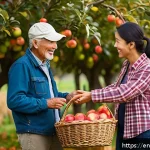
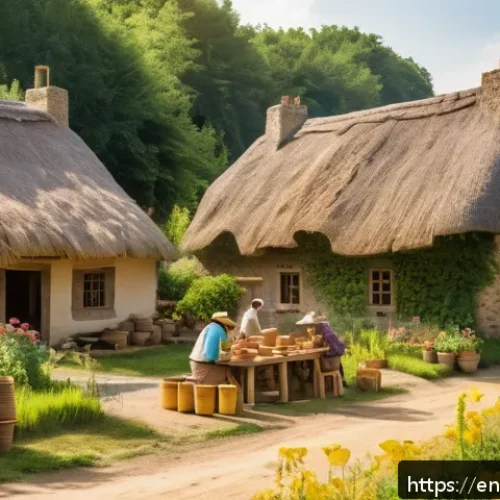
It’s about curating experiences that resonate on a personal level, fostering genuine connections between visitors and the local way of life. I remember once working with a specialist in the Cotswolds who arranged for a group to spend an afternoon baking traditional bread with a village elder.

That kind of hands-on, heartfelt interaction isn’t just a tour; it’s a memory that lasts a lifetime, something travelers genuinely crave in our increasingly digital world.

This focus on intimate, real-world interactions is what sets rural tourism apart and why specialists are so vital.

The Local Lens: Unearthing Hidden Gems

Think about it: who knows a place better than the people who live and breathe it every day? Rural tourism specialists often hail from the very communities they showcase, giving them an unparalleled advantage in unearthing those hidden gems.

They’re not just tour guides; they’re cultural interpreters, storytellers, and passionate advocates for their regions. They understand the nuances of local customs, the best times to visit a secluded waterfall, or where to find the most delicious local produce at the village market.

This insider knowledge allows them to craft itineraries that go beyond superficial sightseeing, offering travelers a truly authentic glimpse into the heart of rural life.

I’ve always felt that the best experiences come from those who genuinely love their home, and that passion shines through in every detail they present to their guests.

More Than Just a Job: The Lifestyle of a Rural Tourism Innovator

Stepping into the world of rural tourism isn’t just choosing a career; it’s embracing a whole new way of living. For many, it’s a profound shift, trading in city lights for starry nights and desk jobs for muddy boots and fresh air.

It’s about being deeply connected to the land, the seasons, and the rhythm of rural life. This isn’t your typical 9-to-5; it’s a lifestyle that demands dedication, flexibility, and a genuine love for the outdoors and local culture, but the personal rewards are immense.

I’ve seen specialists who used to be caught in the corporate rat race blossom in this environment, finding a sense of purpose and fulfillment they never knew was possible.

It’s invigorating to wake up knowing you’re contributing directly to something tangible and beautiful.

The Freedom of the Field: Balancing Passion and Profession

One of the most appealing aspects of being a rural tourism innovator is the incredible blend of passion and profession. Many specialists live in the very areas they promote, becoming integral threads in the fabric of their communities.

This means their work often involves pursuits they genuinely love, whether it’s hiking new trails, discovering local folklore, or simply enjoying the tranquility of nature.

While it requires significant effort and often irregular hours, the autonomy and the direct connection to their personal interests make it incredibly rewarding.

Imagine your office being a rolling hillside, your meetings involving discussions with local farmers, and your “commute” being a walk through a charming village.

That freedom, coupled with the satisfaction of sharing their passion, makes the hard work feel less like a chore and more like a calling.

Community Catalyst: Driving Local Economic Growth

Rural tourism specialists are often the unsung heroes of local economic development. They’re not just bringing visitors; they’re channeling vital income directly into rural communities that often face “employment droughts” and limited opportunities.

By promoting local accommodations, eateries, craft shops, and guided activities, they create a ripple effect, supporting small businesses and generating employment for residents, including women and youth, who might otherwise have to migrate to cities for work.

I’ve witnessed firsthand how a well-organized rural tour can breathe new life into a struggling village, helping artisans sell their wares, boosting farm-to-table restaurants, and giving locals a renewed sense of pride in their heritage.

It’s not just about profit; it’s about empowering communities and preserving traditional skills and knowledge that might otherwise be lost.

Advertisement

Essential Skills for Shining as a Rural Tourism Specialist

Becoming a successful rural tourism specialist requires a blend of natural aptitude and honed skills. It’s not just about having a friendly smile; it’s about being a master communicator, a resourceful problem-solver, and a passionate advocate for your region.

When I mentor aspiring specialists, I always emphasize that while a love for nature and culture is a great start, the real magic lies in developing the practical abilities that turn enthusiasm into unforgettable experiences.

Think of it as being an orchestrator, conductor, and lead musician all rolled into one – you’re making sure every note of the journey hits just right.

This multifaceted role truly thrives on a specific set of talents that elevate the ordinary to the extraordinary.

Mastering the Art of Communication and Storytelling

At the core of every great rural tourism experience is exceptional communication. Specialists need to be articulate, engaging, and able to convey information clearly and effectively to diverse groups of people.

It’s more than just reciting facts; it’s about weaving compelling stories that bring the history, culture, and natural environment to life. I’ve seen guides who could make a simple walk through a field feel like an epic journey, simply because of their ability to paint vivid pictures with words.

This involves not only strong public speaking skills but also active listening, understanding what truly piques a traveler’s interest, and adapting your narrative accordingly.

A good memory for details, names, and even guests’ previous comments is also a huge asset, making the experience feel uniquely personal.

Adaptability and Local Expertise: Your Secret Weapons

The countryside, as beautiful as it is, can be unpredictable. That’s where adaptability truly shines. A rural tourism specialist needs to be flexible, capable of thinking on their feet, and ready to adjust plans due to unexpected weather, trail conditions, or even a sudden change in group dynamics.

I’ve seen brilliant specialists navigate everything from a sudden downpour to a forgotten picnic basket with grace and a good sense of humor, turning potential mishaps into memorable anecdotes.

Beyond this practical flexibility, deep local expertise is non-negotiable. This means not just knowing the popular spots, but understanding the nuances of the local ecosystem, flora and fauna, geology, and historical significance.

It’s about being a living encyclopedia of the area, able to answer curious questions and provide insights that deepen a traveler’s appreciation for their surroundings.

Navigating the Twists and Turns: Overcoming Challenges in Rural Tourism

As much as I adore rural tourism and its incredible potential, I’d be remiss not to acknowledge that it comes with its fair share of hurdles. It’s not always sunshine and wildflowers; there are real, systemic challenges that specialists and communities often grapple with.

From what I’ve observed and experienced, these obstacles aren’t insurmountable, but they do require creativity, resilience, and a solid strategy to overcome.

It’s a bit like navigating a winding country road – you need a good map, a reliable vehicle, and the willingness to take a detour if necessary. Understanding these challenges is the first step towards transforming them into opportunities for growth and innovation in the sector.

Bridging the Infrastructure Gap

One of the most significant challenges in many rural areas is inadequate infrastructure. This isn’t just about bumpy roads, though that can certainly be an issue.

It extends to limited public transportation options, unreliable internet and mobile connectivity, and sometimes even a lack of essential amenities like quality accommodations or diverse dining choices.

I’ve personally been on tours where a sudden lack of cell service meant quick improvisation was key, or where finding a decent meal after a long hike required considerable local knowledge.

This can deter potential visitors, especially those accustomed to urban conveniences. Overcoming this often involves advocating for government support, investing in community-led improvements, and leveraging existing resources creatively.

For example, some specialists partner with local B&Bs or farm stays to ensure comfortable lodging, even if it means a slightly more rustic experience.

Marketing the Unseen: Reaching the Right Audience

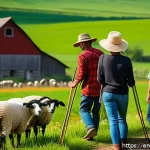
농촌관광지도사 직업 전망 - "Rolling Hills and Local Tales: A Rural Specialist's Day"**

"A vibrant outdoor scene featuring a ch...

Another significant challenge is effective marketing and promotion. Rural destinations, by their very nature, are often less visible than established tourist hotspots.

How do you showcase the quiet beauty of a remote valley or the unique charm of a tiny village to a global audience? Many rural areas struggle with limited marketing budgets and a lack of digital literacy, making it difficult to compete in today’s online-dominated travel market.

I’ve seen local communities pouring their hearts into incredible experiences, only to find few visitors because they just don’t know how to get the word out effectively.

This is where a savvy rural tourism specialist becomes invaluable, utilizing social media, compelling storytelling, and targeted online campaigns to highlight the unique offerings.

It’s about crafting a narrative that appeals to travelers seeking authentic, off-the-beaten-path experiences and then strategically placing that story where they’ll find it.

Advertisement

Unlocking Prosperity: Sustainable Income Streams in Rural Tourism

Let’s get down to brass tacks: while passion drives this field, a sustainable income is what keeps it alive and thriving. For rural tourism specialists and the communities they work with, generating diverse revenue streams is absolutely critical.

It’s about building a robust economic engine that not only supports the individuals involved but also bolsters the entire local economy. I’ve spent years observing how innovative specialists turn local assets into profitable, yet responsible, ventures, and let me tell you, the creativity out there is just phenomenal.

It’s not just about selling tickets; it’s about crafting value and experiences that people are eager to pay for, all while giving back to the place that makes it possible.

Diversifying Offerings for Enhanced Revenue

The key to a thriving rural tourism business often lies in diversification. Relying on a single tour or activity can be risky, so specialists are constantly looking for ways to expand their offerings.

This could mean developing seasonal packages, hosting special events, or partnering with local businesses to create bundled experiences. For instance, a specialist might offer guided hiking tours in the spring, foraging workshops in the summer, harvest festivals in the autumn, and cozy farm stays with cooking classes in the winter.

Each addition creates new opportunities for income and keeps visitors engaged year-round. I’ve personally helped a small farm diversify their offerings from just selling produce to hosting “pick-your-own” events, farm-to-table dinners, and even educational workshops, significantly boosting their revenue and local engagement.

Potential Income Streams for Rural Tourism Specialists
Revenue Stream Description Example Activities
Guided Tours & Excursions Leading visitors through natural, historical, or cultural sites. Nature walks, historical village tours, wildlife watching tours.
Accommodation & Stays Offering unique lodging experiences. Farm stays, glamping sites, renovated rural cottages.
Workshops & Classes Providing hands-on learning experiences. Traditional craft workshops, local cooking classes, sustainable farming seminars.
Local Product Sales Selling goods unique to the region or local producers. Handmade crafts, local food products (jams, honey, cheeses), artisan goods.
Consultancy Services Advising communities or businesses on tourism development. Developing marketing strategies, sustainable tourism planning, guide training.

Embracing Agritourism and Nature-Based Experiences

Agritourism has emerged as a particularly lucrative and authentic segment within rural tourism. It leverages the unique appeal of farm life, allowing visitors to engage directly with agricultural practices, taste fresh local produce, and even participate in daily farm activities like milking cows or collecting eggs.

This type of experiential travel is hugely popular, offering a tangible connection to food sources and the land. Beyond farms, nature-based tourism activities are also booming.

Think guided forest bathing, wild swimming excursions, foraging trips, or stargazing experiences. These activities not only generate income but also educate visitors about conservation and the importance of preserving natural environments.

I’ve seen how these deeply immersive, nature-focused experiences provide a much-needed escape from urban life, appealing to a growing number of travelers seeking peace, learning, and a connection to the natural world.

The Green Horizon: Specialists Shaping Sustainable Rural Futures

The future of travel, in my opinion, unequivocally lies in sustainability. As travelers become more conscious of their footprint, the demand for responsible and ethical tourism experiences is skyrocketing.

This is precisely where rural tourism specialists become vital architects of a greener, more thoughtful travel landscape. They’re not just facilitating trips; they’re acting as custodians of culture and environment, ensuring that every visitor leaves a positive impact.

I truly believe that these specialists hold the key to ensuring that rural beauty and traditions can be enjoyed for generations to come, fostering a balanced relationship between tourism and the delicate ecosystems and communities that host it.

It’s a powerful responsibility, and it’s being embraced with incredible passion.

Preserving Heritage and Environment Through Thoughtful Travel

One of the most profound roles of a rural tourism specialist is safeguarding the natural and cultural heritage of a region. Unlike mass tourism, which can sometimes overwhelm destinations, sustainable rural tourism focuses on preserving local customs, historical sites, and pristine landscapes.

Specialists design experiences that educate visitors about ecological conservation, sustainable farming practices, and the significance of local traditions, fostering a deep appreciation rather than just fleeting enjoyment.

I’ve seen guides take immense pride in sharing the stories behind an ancient stone wall or explaining the biodiversity of a local woodland, instilling in visitors a sense of respect and a desire to contribute positively.

This approach helps to prevent overtourism and ensures that the unique character of rural areas remains intact, benefiting both the environment and the local people.

Empowering Communities: The Heart of Responsible Tourism

At its very best, rural tourism is about community empowerment. It ensures that the benefits of tourism are equitably distributed and that local residents have a say in how their home is presented and experienced by outsiders.

Rural tourism specialists are often champions of this community-led approach, working closely with locals to develop initiatives that reflect their needs and values.

This includes creating opportunities for local entrepreneurs, ensuring fair wages, and promoting a sense of ownership over the tourism offerings. It’s about more than just economic gain; it’s about strengthening local identity, preserving social cohesion, and preventing the “brain drain” of young people moving to cities.

I’ve witnessed the transformation in villages where tourism has been developed responsibly – a renewed vibrancy, a shared sense of purpose, and a pride that glows from within.

It’s a testament to the power of thoughtful, people-centered travel.

Advertisement

Wrapping Up

What a journey we’ve been on, exploring the vibrant world of rural tourism and the incredible folks who make it all happen! For me, it truly boils down to this: rural tourism specialists aren’t just guides; they are the heart and soul connecting us to authentic experiences, preserving the beauty of local cultures, and championing a more sustainable way to see the world.

I hope this deep dive has given you a fresh perspective on the profound impact these innovators have, transforming simple trips into unforgettable adventures that linger in our memories long after we’ve returned home.

It’s about building bridges to genuine human connections and the breathtaking embrace of nature, one thoughtful journey at a time.

Good-to-Know Information

1. Seek Out Certified Specialists: When planning your next rural escape, look for specialists with local certifications or strong community ties. These credentials often indicate a deep understanding of the region and a commitment to responsible tourism practices, ensuring you’re in expert hands. I’ve found that local tourism boards are fantastic resources for finding reputable, accredited guides and operators who genuinely care about their areas.

2. Embrace the Local Economy: One of the best ways to enhance your rural tourism experience and directly support the community is by spending your money locally. Choose family-run guesthouses over chain hotels, dine at independent restaurants, and purchase handcrafted souvenirs directly from artisans. I always make it a point to buy a unique local item; it’s a great souvenir and directly benefits the person who created it.

3. Pack for Versatility: Rural environments can be unpredictable, so dressing in layers and bringing sturdy, comfortable footwear is always a smart move. Don’t forget essentials like a reusable water bottle, a small backpack for day trips, and perhaps a good old-fashioned map – reliable internet isn’t always a given when you’re off the beaten path! Trust me, a little preparation goes a long way in ensuring comfort and enjoyment.

4. Learn a Few Local Phrases: While many rural tourism specialists are multilingual, making an effort to learn a few basic phrases in the local language (like “hello,” “please,” “thank you”) can open doors to warmer interactions and show genuine respect for the culture. From my own travels, I’ve seen how even a simple “hello” in the local tongue can bring a smile and truly enhance your connection with the community.

5. Disconnect to Reconnect: Rural travel offers a unique opportunity to unplug from the digital world and truly immerse yourself in your surroundings. Consider minimizing screen time to fully appreciate the natural beauty, engage with locals, and reflect on your experiences. I’ve found that putting my phone away for a few hours each day allows me to truly soak in the moments and create deeper, more meaningful memories.

Advertisement

Key Takeaways

Reflecting on all we’ve discussed, the essence of effective rural tourism and the specialists who champion it really shines through. What I’ve truly come to appreciate is that these individuals are more than just business owners; they are passionate custodians of culture, environment, and community.

They masterfully blend local expertise with a heartfelt desire to share their regions, crafting experiences that are not only enjoyable but also deeply meaningful and sustainable.

They navigate challenges like infrastructure gaps and marketing hurdles with incredible resilience and ingenuity, ensuring that the unique charm of rural life remains accessible and celebrated.

Ultimately, it’s their commitment to authenticity, empowering local economies, and preserving heritage that makes rural tourism such a powerful force for positive change.

Their work isn’t just about showing us a place; it’s about helping us connect with its soul, fostering a sense of shared responsibility, and inspiring us to travel more thoughtfully in the future.

Frequently Asked Questions (FAQ) 📖

Q: What does a rural tourism specialist actually do on a day-to-day basis?

A: Oh, that’s a fantastic question, and one I get all the time! When I first started out, I thought it was just about showing people around. But let me tell you, it’s so much more.
A rural tourism specialist wears many hats, and honestly, no two days are ever quite the same, which is what makes it so exciting! First and foremost, a huge part of the job is curating authentic experiences.
This means I’m often out there, boots on the ground, exploring new trails, discovering hidden local artisans, or even sampling grandma’s secret recipe at a family-run eatery.
I’m always looking for those unique gems that truly capture the spirit of a place. I’ve personally spent hours chatting with local farmers, understanding their daily routines, and figuring out how to respectfully integrate visitors into their world, whether it’s for a hands-on cheesemaking workshop or a quiet evening stroll through their orchards.
Then there’s the planning and logistics. Think about it: once I’ve found these amazing experiences, I need to weave them into seamless itineraries. This involves coordinating with local accommodation providers – from cozy B&Bs to unique glamping sites – arranging transport, and even preparing for unexpected weather changes.
I’ve learned that flexibility is key; sometimes a spontaneous detour to a local festival or a forgotten viewpoint makes the trip truly unforgettable. Beyond that, you’re a storyteller and an educator.
I don’t just point to a historic building; I share the tales of the people who lived there, the traditions that shaped the community. I’ve found that visitors don’t just want to see; they want to understand and connect.
I often guide small groups, sharing insights into local flora and fauna, the history of the land, and the challenges and triumphs of rural life. It’s about opening their eyes to a different way of living.
Finally, you’re a community connector. I often act as a bridge between visitors and the local community, ensuring interactions are respectful and beneficial for everyone.
This involves building strong relationships with local businesses, craftspeople, and residents, because they are the heart and soul of the experience.
It’s truly a lifestyle, not just a job, and the satisfaction of seeing a visitor truly connect with a place and its people is incredibly rewarding.

Q: What kind of skills or background do you need to become a successful rural tourism specialist?

A: You know, it’s funny, when people ask me this, they often expect me to list a specific degree or a certification. And while some formal training in hospitality or tourism can certainly help, I’ve found that the most important qualities are often innate, or developed through genuine passion and hands-on experience.
From my perspective, the absolute number one skill you need is a deep, authentic love for nature and local culture. If you’re genuinely fascinated by the stories behind a winding country lane, the intricate craft of a local artisan, or the quiet beauty of a sunrise over rolling hills, you’re already halfway there.
That passion translates into infectious enthusiasm that your guests will feel. I’ve personally spent years exploring my local area, not just as a job, but because I truly wanted to understand every nook and cranny, every hidden waterfall, and every local legend.
Secondly, excellent communication and people skills are non-negotiable. You’re not just selling a trip; you’re building rapport, managing expectations, and creating a comfortable, engaging environment for diverse groups of people.
I’ve learned to adapt my communication style to different personalities and to listen intently to what my guests are truly seeking. Being a good storyteller helps too – weaving facts into captivating narratives makes all the difference!
You also need a solid dose of adaptability and resourcefulness. Rural settings can be unpredictable. Weather can change plans, a small local shop might be closed unexpectedly, or a hidden trail might be muddier than anticipated.
You need to be quick on your feet, able to pivot, and find creative solutions with a smile. There was one time a sudden downpour threatened to ruin a picnic, but I quickly rearranged for us to have a cozy indoor tasting at a local winery, which ended up being a huge hit!
Finally, a strong sense of responsibility and respect for the environment and local communities is paramount. Sustainable practices aren’t just buzzwords in rural tourism; they’re essential.
You need to understand how to minimize your impact, support local economies ethically, and ensure that the experiences you offer are beneficial for both visitors and residents.
Volunteer work in conservation or community projects, or simply spending time immersing yourself in rural life, can provide invaluable experience. It’s about being a thoughtful steward, not just a guide.

Q: How does a rural tourism specialist truly contribute to local communities and economies?

A: This is probably the most rewarding aspect of what I do, and it’s something I feel incredibly passionate about. It goes far beyond simply bringing visitors to a beautiful spot; a dedicated rural tourism specialist can be a powerful catalyst for positive change in these often-overlooked areas.
One of the most direct impacts I’ve seen is boosting local economies and creating jobs. When I bring a group to a small village, their money directly supports local businesses.
Think about it: they stay at a family-run guesthouse, buy handmade crafts from a local artisan, dine at the only pub in town, and purchase fresh produce from a farmer’s market.
I’ve witnessed struggling businesses not just survive, but thrive, thanks to the consistent flow of visitors. It creates income and employment opportunities that might not otherwise exist, often for people who would otherwise have to leave their homes to find work.
It’s not just a quick sale either; these interactions help keep local traditions alive and valued. Beyond the immediate financial benefits, we play a crucial role in preserving local culture and heritage.
Many rural communities have unique traditions, folk arts, and historical sites that might slowly fade away without external interest. By showcasing these to visitors, we create an audience that appreciates and values them, which in turn encourages locals to maintain and celebrate their heritage.
I’ve seen local storytellers, musicians, and craftspeople gain renewed pride and a sustainable income by sharing their skills with curious travelers. It’s about keeping vibrant traditions from becoming relics.
Another significant contribution is fostering sustainable development and environmental awareness. Rural tourism, when done right, is inherently sustainable.
It encourages an appreciation for natural landscapes and biodiversity. I actively educate my guests about responsible travel practices, such as minimizing waste, respecting wildlife, and supporting conservation efforts.
This helps protect the very environments that draw visitors in the first place. When I highlight the beauty of a pristine forest or a clean river, it instills a sense of guardianship in both visitors and locals, promoting long-term environmental stewardship.
Ultimately, a rural tourism specialist helps to diversify the economic base of these areas, making them less reliant on single industries like agriculture or manufacturing, and gives local communities a renewed sense of purpose and opportunity.
It can even help with repopulation by creating viable livelihoods, encouraging younger generations to stay or return. It’s about building a sustainable future where communities can thrive while sharing their unique charm with the world.