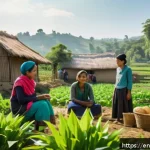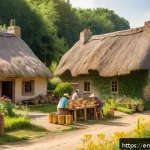
Unlocking Rural Potential: How Tourism Guides Transform Communities

webmaster

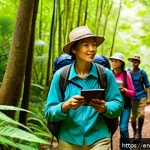
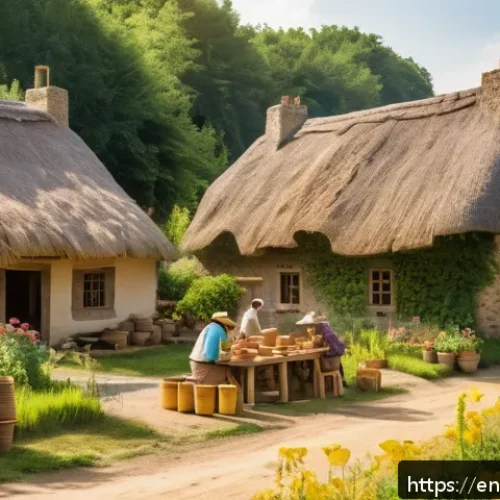
농촌관광지도사로서의 사회적 역할 - **Prompt:** A warm, inviting scene of a diverse group of travelers, aged 20s-60s, gathered around an...

Have you ever craved an escape from the relentless city bustle, dreaming of rolling hills, fresh air, and genuine local experiences? It’s a feeling I know well, and it seems more and more people are trading skyscrapers for starlit skies, seeking out the quiet charm of rural life.

This shift isn’t just a fleeting trend; it’s a profound movement towards more meaningful travel, and at the heart of this transformation are the incredible individuals who make it all possible.

They’re the unsung heroes who bridge the gap between curious travelers and authentic countryside adventures. From personal experience, I’ve seen firsthand how a passionate guide can completely elevate a trip, turning a simple visit into an unforgettable journey.

They’re not just showing you around; they’re connecting you to the very soul of a place, ensuring local communities thrive while you make incredible memories.

Let’s really dig into the vital social role these amazing rural tourism guides play in today’s travel landscape below.

Weaving Authentic Tales and Local Legacies

농촌관광지도사로서의 사회적 역할 - **Prompt:** A warm, inviting scene of a diverse group of travelers, aged 20s-60s, gathered around an...

It’s funny how often we chase after the grand landmarks, yet the most profound travel moments often come from the simplest interactions, right? This is where rural tourism guides truly shine.

They aren’t just leading tours; they are the living, breathing encyclopedias of their homeland, passionately sharing stories that you’d never find in any guidebook.

I’ve personally experienced how a guide can transform a mere scenic drive into a journey through time, recounting ancestral legends and explaining the significance of a crumbling stone wall or a peculiar local tradition.

It’s this intimate connection to history and culture that makes rural travel so uniquely enriching. They bridge the gap between a curious visitor and a community’s deep-rooted past, ensuring that these invaluable narratives don’t just survive but thrive with each new telling.

They are the guardians of a collective memory, keepers of the intangible heritage that gives a place its true soul. Without them, we’d simply be observing; with them, we’re truly participating in the unfolding story of a destination.

Their expertise isn’t just learned; it’s lived, passed down through generations, making every interaction feel incredibly genuine and deeply personal.

It’s like having a wise elder share their life’s journey with you.

Preserving Vanishing Traditions

Think about all those incredible crafts, farming methods, or culinary secrets that are unique to a remote village. Often, these traditions are quietly fading away, overshadowed by modernization.

But a dedicated rural tourism guide actively works to keep them alive. I once had a guide in a small Appalachian town who introduced me to a family still making handmade dulcimers, a skill passed down for over a century.

Not only did he explain the intricate process, but he also highlighted how supporting these artisans through tourism helps sustain their livelihood and ensures the tradition continues.

It’s not just about showcasing; it’s about providing a tangible market for these skills, offering a financial incentive for younger generations to learn and carry them forward.

They connect travelers directly to these living heritage experiences, making sure that these valuable pieces of human history don’t disappear into obscurity.

The Heartbeat of Local Lore

Every place has its quirks, its superstitions, its local heroes, and its whispered tales. These are the details that paint a vibrant picture of a community, and frankly, they’re the things that make you fall in love with a destination.

Rural guides are masters of this local lore. They’ll tell you about the mischievous sprite rumored to live in the nearby woods, or the story behind the oddly named peak, or even the local diner’s secret menu item.

These aren’t just entertaining tidbits; they provide context, humor, and a deeper appreciation for the unique character of a place. I remember a guide in rural Ireland who, with a twinkle in his eye, recounted tales of fairies and leprechauns that made the ancient stone circles feel even more magical.

It transformed a simple walk into an enchanted exploration, weaving an unforgettable tapestry of culture and myth around the landscape.

Igniting Economic Sparks in Remote Corners

You know, it’s easy to forget that while we’re out there seeking adventure and tranquility, our visits have a real, tangible impact on the places we go.

Especially in rural areas, where economic opportunities can be sparse, tourism guides are absolute game-changers. They are often the first point of contact for visitors, steering them towards local businesses and ensuring that tourist dollars circulate directly within the community.

I’ve seen firsthand how a guide’s recommendation for a family-run diner or a local artisan’s shop can make all the difference, bringing much-needed revenue to small enterprises that might otherwise struggle.

This isn’t just about charity; it’s about fostering sustainable economic ecosystems where everyone benefits. They understand the local economy intimately and know exactly where visitors can spend their money to create the greatest positive ripple effect, preventing leakage to larger, often external, corporations.

This direct injection of funds empowers residents and strengthens the local economic fabric.

Supporting Local Entrepreneurs

Imagine a small community where a craftsperson spends countless hours perfecting their unique product. Without visibility, their efforts might go unnoticed.

This is where guides step in as natural promoters. They know every potter, weaver, baker, and farmer in the area, acting as invaluable conduits between these entrepreneurs and eager travelers.

I recall a trip where my guide introduced me to a small-batch jam maker whose exquisite preserves were truly a revelation. I ended up buying several jars, and so did others in my group, directly supporting her small business.

These guides actively champion local goods and services, helping to create a demand that empowers these small businesses to grow, hire more locals, and keep traditional skills alive.

It’s a beautiful symbiotic relationship that benefits both the visitor seeking authentic products and the local economy.

Directing Dollars Where They Matter

One of the biggest challenges in any tourism destination, particularly rural ones, is ensuring that the money spent by visitors actually stays local. Rural tourism guides are fantastic at this.

They consciously recommend accommodations, restaurants, and activities that are locally owned and operated. They’re not just about earning a tip; they’re deeply invested in the prosperity of their community.

For instance, instead of suggesting a generic chain hotel on the highway, they’ll point you to a charming local B&B where your stay directly supports a local family.

This thoughtful direction of tourist expenditure helps build a more resilient local economy, providing jobs and sustaining livelihoods right in the heart of the community.

It’s a powerful, yet often overlooked, aspect of their role that contributes significantly to local wealth creation.

Aspect of Impact How Rural Guides Contribute Benefit to Community/Traveler
Economic Growth Directing visitors to local businesses (e.g., shops, eateries, accommodations). Increased local revenue, job creation, diversified income for residents. Travelers get authentic local products/services.
Cultural Preservation Sharing local stories, traditions, and introducing artisans. Maintenance of heritage, intergenerational skill transfer, unique cultural experiences for travelers.
Environmental Stewardship Educating about local flora/fauna, promoting responsible visitor behavior. Protection of natural resources, reduced environmental impact, heightened ecological awareness for travelers.
Community Engagement Facilitating interactions between visitors and local residents. Enhanced mutual understanding, breaking down stereotypes, fostering a sense of connection.
Advertisement

Your Personal Compass to Uncharted Beauty

Have you ever tried navigating a new, rural area on your own, armed only with a map and a vague internet search? It can be a bit overwhelming, right? That’s where a rural tourism guide transforms from an optional extra into an absolute necessity.

They possess an unparalleled knowledge of the local terrain, the safest paths, and most importantly, the hidden gems that most tourists would never discover on their own.

They are your personal compass, guiding you beyond the well-trodden paths to experiences that feel truly exclusive and tailor-made. From knowing the precise time the light hits a certain valley just right for a breathtaking photo, to finding that secluded swimming hole known only to locals, their expertise opens up a world of possibilities that independent travelers often miss.

It’s not just about reaching a destination; it’s about experiencing the journey with confidence and uncovering layers of beauty you never knew existed.

Tailoring Adventures to Your Spirit

One of the most remarkable things about a great rural guide is their ability to intuitively understand what makes you tick and then customize your adventure accordingly.

They’re not just following a script; they’re reading *you*. I remember telling a guide once that I was passionate about photography, and suddenly, our entire itinerary shifted.

We spent hours at incredible, secluded viewpoints at just the right times of day, and he even pointed out specific local wildlife. This personalized approach turns a generic trip into a deeply resonant personal journey, ensuring that your precious vacation time is spent doing exactly what you love.

It feels less like a tour and more like an experienced friend showing you around their beloved home, creating memories perfectly aligned with your interests and passions.

Discovering Hidden Gems

Every rural landscape holds secrets, tucked away from plain sight. These might be ancient ruins overgrown with moss, a pristine waterfall accessible only by a winding trail, or a tiny, unassuming eatery serving the most incredible regional dish.

Without a local guide, these treasures often remain undiscovered. Their deep-rooted connection to the land means they know these spots like the back of their hand, and they delight in sharing them with curious travelers.

It’s like being given a key to unlock the true essence of a place, experiencing something few others ever get to see. I’ve had guides lead me to breathtaking vistas that weren’t even marked on any map, or to charming family farms offering fresh produce that tasted like nothing I’d ever bought in a supermarket.

These aren’t just stops on a tour; they’re moments of pure, unadulterated discovery.

Building Bridges Through Shared Experiences

Travel, at its best, is about connection, isn’t it? It’s about more than just seeing new sights; it’s about understanding different ways of life and finding common ground with people from diverse backgrounds.

Rural tourism guides are truly master bridge-builders in this regard. They don’t just facilitate your journey through a landscape; they facilitate your journey into a culture.

By introducing you to local residents, sharing insights into community traditions, and encouraging genuine interactions, they transform strangers into acquaintances, and often, acquaintances into friends.

I’ve personally felt this magic, where a guide’s knack for connection led to an impromptu conversation with a local farmer about his life, or a shared meal with a family that left me feeling like I’d found a new home away from home.

These are the moments that linger long after the postcards fade, fostering a profound sense of global citizenship and mutual respect.

From Strangers to Friends

It can sometimes be daunting to initiate conversations in a new place, especially if there’s a language or cultural barrier. Rural guides excel at breaking down these initial inhibitions.

They act as cultural ambassadors, introducing visitors to community members in a natural, respectful way. Whether it’s a brief chat with a shopkeeper, an interactive workshop with a local artisan, or a spontaneous invitation to a village event, these guides orchestrate opportunities for genuine human connection.

I remember a guide introducing my group to a local family who ran a small guesthouse, and by the end of our stay, we were sharing laughter and stories like old friends.

It’s these unscripted, authentic encounters that make a trip truly memorable and foster a sense of warmth and belonging. They remind us that despite our differences, we’re all looking for connection and understanding.

Understanding Beyond Borders

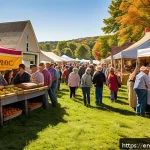
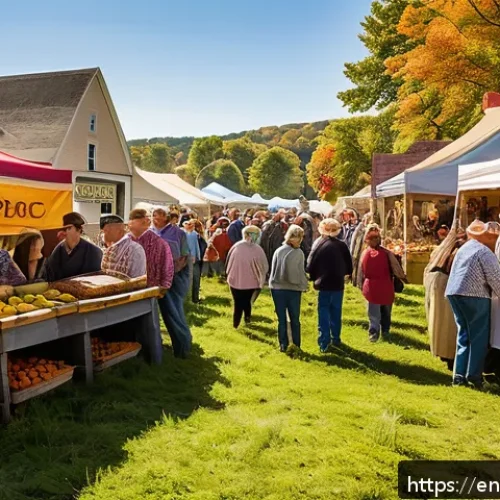
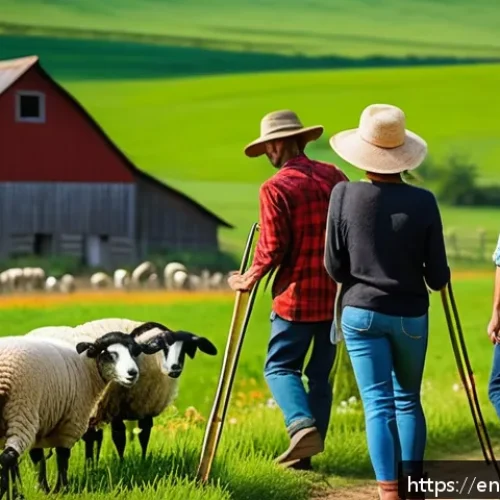
농촌관광지도사로서의 사회적 역할 - **Prompt:** A vibrant and bustling market scene where a friendly rural tourism guide, in their 40s, ...

Travel has this incredible power to broaden our perspectives, and rural guides amplify this tenfold. They offer nuanced explanations of local customs, societal norms, and even historical grievances that might otherwise be misunderstood.

This deeper understanding moves beyond superficial observation to genuine empathy. For example, a guide might explain the historical context behind a particular architectural style or a traditional festival, giving it much greater meaning than if you simply observed it without context.

My own experiences have shown me that these guided insights are crucial for fostering respect and appreciation for cultures vastly different from our own, breaking down preconceived notions and promoting a more tolerant worldview.

It’s about learning to see the world not just through your own eyes, but through the eyes of those who call it home.

Advertisement

Stewards of the Land, Champions of Tomorrow

When we venture into beautiful, pristine natural areas, it’s easy to get swept away by the scenery and perhaps overlook the delicate balance that sustains it.

This is where rural tourism guides take on another incredibly vital role: they become environmental stewards and educators. They don’t just lead you through nature; they teach you how to respect it, how to appreciate its fragility, and how to minimize your footprint.

I’ve been on hikes where a guide paused to explain the unique ecosystem of a certain forest, or pointed out the subtle signs of wildlife, making me far more conscious of my surroundings.

Their deep knowledge of local flora and fauna, coupled with their passion for conservation, instills a sense of responsibility in visitors, encouraging sustainable practices that protect these precious landscapes for future generations.

They are the frontline advocates for preserving the natural heritage that draws so many of us to these tranquil places.

Guiding Towards Greener Horizons

Responsible tourism isn’t just a buzzword; it’s a critical practice, especially in vulnerable rural environments. Rural guides are instrumental in promoting eco-friendly behaviors.

They’ll often provide practical advice, like staying on marked trails to prevent erosion, properly disposing of waste (or even packing it out), and respecting local wildlife habitats.

I’ve learned invaluable tips from guides, such as how to observe animals without disturbing them or how to identify invasive plant species. This hands-on education ensures that our enjoyment of these natural spaces doesn’t come at the expense of their long-term health.

They lead by example, demonstrating a profound respect for the environment that inspires visitors to adopt similar mindful practices, transforming tourists into temporary environmental allies.

Educating for Impact

Beyond practical advice, guides also play a crucial role in raising awareness about broader conservation issues affecting their regions. They might talk about local efforts to protect endangered species, sustainable farming initiatives, or the impact of climate change on their natural environment.

This educational component is incredibly powerful, as it connects the traveler’s experience directly to real-world challenges and solutions. I’ve left tours feeling not just informed, but genuinely moved to support conservation efforts, sometimes even through direct donations to local initiatives.

Their passion is infectious, and by sharing their knowledge, they empower visitors to become more informed and conscientious travelers, extending the positive impact of their work far beyond the duration of a single tour.

They turn a scenic walk into a vital lesson in ecological stewardship.

Wrapping Things Up

And there you have it, folks! It’s clear as day, isn’t it? Rural tourism guides are so much more than just companions; they are the beating heart of an authentic travel experience. They’re the keepers of forgotten tales, the architects of vibrant local economies, and your personal navigators to the soul of a destination. After countless trips and incredible encounters, I’ve genuinely come to see them as indispensable. They don’t just show you a place; they invite you into its story, ensuring that every memory you make is rich with genuine connection and profound understanding. It’s an investment in an experience that transcends the usual tourist trail, leaving you with a deeper appreciation for the world and the wonderful people who inhabit its hidden corners. Honestly, if you’re truly looking to connect with a place, finding a local guide is the best decision you can make.

Advertisement

Useful Information to Know

1. Always try to book your rural guide through a reputable local tourism board or a trusted community-based organization. This not only ensures you’re getting a vetted professional but also guarantees that your money is directly supporting the local economy and its people. I’ve found that these channels often connect you with guides who are deeply passionate about their heritage and genuinely invested in sharing it, rather than just running a commercial operation. Plus, they’re usually aware of any local events or unique happenings during your visit!

2. Don’t be shy about communicating your interests upfront. A great rural guide thrives on tailoring experiences. If you’re a photography enthusiast, a keen birdwatcher, or obsessed with local cuisine, let them know! I once had a guide totally pivot our itinerary because I mentioned my love for artisanal cheeses, leading to an impromptu visit to a family dairy farm. This transparency helps them craft a journey that feels incredibly personal and maximizes your enjoyment.

3. Pack smartly for rural adventures. Conditions can change rapidly, and being prepared makes all the difference. Think layers, comfortable walking shoes, a reusable water bottle, and a small backpack. Depending on the region, insect repellent and sun protection are often non-negotiable. I’ve learned the hard way that a little foresight in packing prevents a lot of discomfort, especially when you’re off the beaten path with limited access to stores.

4. Embrace the unexpected! Rural travel often comes with charming quirks—a road closed for a local festival, a power outage, or a change in weather. Instead of seeing these as inconveniences, view them as opportunities for authentic experiences. Your local guide will be adept at navigating these situations and might even lead you to an even more memorable detour. Some of my favorite travel memories have come from these spontaneous moments!

5. Consider how you can give back to the communities you visit. Whether it’s purchasing local crafts, dining at family-run eateries, or even just engaging respectfully with residents, your presence has an impact. A rural guide can often point you towards initiatives or small businesses that genuinely benefit from tourist support. I always try to leave a positive footprint, knowing that my visit contributes to the preservation of these unique places and livelihoods.

Key Takeaways

The journey with a rural tourism guide is profoundly transformative, offering layers of experience that simply can’t be replicated through independent travel. I’ve personally seen how their presence amplifies every aspect of a trip, from the small, intimate details to the broader cultural immersion. It’s truly a game-changer for anyone seeking more than just pretty scenery.

Cultural Immersion and Heritage Preservation

  • Authentic Storytelling: Guides are living libraries, sharing local legends, historical contexts, and ancestral traditions that enrich your understanding of a place. It’s like having history whispered directly to you.
  • Vanishing Traditions: They connect you with local artisans and craftspeople, directly supporting the continuation of skills and art forms that might otherwise fade away, ensuring these invaluable parts of human history thrive.
  • Local Lore: You get the insider scoop on local quirks, superstitions, and community narratives that paint a vibrant, unforgettable picture of the destination’s unique character.

Economic Empowerment and Sustainable Tourism

  • Direct Local Spend: Guides meticulously direct your spending to local businesses, from family-run diners to independent shops, ensuring that your tourist dollars directly benefit the community.
  • Entrepreneurial Support: They act as invaluable champions for local entrepreneurs, creating demand and visibility for unique regional products and services, fostering sustainable growth.
  • Community Investment: Your expenditure, guided by local experts, helps to build resilient local economies, providing jobs and sustaining livelihoods right in the heart of the rural community.

Personalized Exploration and Environmental Stewardship

  • Tailored Adventures: They intuitively understand your interests and customize your itinerary, transforming a generic tour into a deeply personal and resonant journey, perfectly aligned with your passions.
  • Hidden Gems: Guides unlock access to secluded spots, breathtaking vistas, and authentic experiences that are often unknown to the average traveler, making your trip truly exclusive.
  • Responsible Travel: They educate visitors on local ecosystems and promote eco-friendly behaviors, instilling a sense of responsibility and encouraging practices that protect these precious landscapes for future generations.

Frequently Asked Questions (FAQ) 📖

Q: Why are rural tourism guides more important than ever for today’s travelers seeking genuine experiences?

A: Oh, where do I even begin? If you’re anything like me, you’ve probably grown a little tired of the same old tourist traps and generic experiences. We’re all craving something real now, aren’t we?
And that’s exactly why rural tourism guides have become absolute game-changers. I’ve personally discovered that without a fantastic local guide, you might just skim the surface of a place.
These guides aren’t just showing you sights; they’re opening doors to hidden gems, sharing stories passed down through generations, and introducing you to the heart of a community that you’d never find in a guidebook.
From my own travels, I’ve seen how they instantly cut through the noise, offering insights into local customs, history, and even the best spots for a truly authentic bite to eat.
They ensure your visit isn’t just a fleeting moment but a genuine connection, helping you understand and respect the local culture, which, honestly, makes for an infinitely more memorable trip.
It’s about feeling like a welcomed guest, not just another tourist, and that’s a feeling I truly value.

Q: How do rural tourism guides directly benefit the local communities they work with?

A: This is a question close to my heart because it highlights the incredible ripple effect these guides create! It’s not just about enhancing your trip; it’s about making a tangible difference right where it matters most.
I’ve seen firsthand how guides are often the vital link connecting travelers directly to local artisans, family-run businesses, and small farmers. When you take a tour with a local guide, a significant portion of your money stays within that community.
They’re hiring local drivers, recommending local eateries, and showcasing handcrafted goods – think of a fantastic quilt maker or a cheese producer I met on a trip to Vermont.
This directly supports local economies, providing livelihoods in areas where opportunities might be scarce. Beyond the economic boost, these guides are often passionate advocates for their heritage, ensuring local traditions, languages, and natural environments are preserved and celebrated.
They empower communities by giving them a voice and a platform to share their unique stories with the world, fostering a sense of pride and ownership.
It’s a beautiful, symbiotic relationship that uplifts everyone involved.

Q: What qualities should I look for to find a truly exceptional rural tourism guide who will make my trip unforgettable?

A: Finding that perfect guide can truly elevate your experience from good to absolutely epic! Based on my countless adventures, I’d say the number one quality is genuine passion for their region.
You can just feel it when someone truly loves where they live and what they do. They won’t just recite facts; they’ll tell you compelling stories, with a twinkle in their eye, about the landscape, the people, and the history.
Beyond that, deep local knowledge, of course, is crucial – knowing those secret trails, the best time to see wildlife, or where the freshest produce can be found.
But for me, it’s also about their ability to connect with you. Are they good listeners? Do they adapt to your interests, even if it means tweaking the itinerary on the fly?
The best guides are incredibly flexible and intuitive, making you feel completely at ease and like a friend, not just a client. And don’t forget a sense of humor – a good laugh can make any journey better!
I once had a guide in the Scottish Highlands who not only knew every ancient myth but also had us roaring with laughter with his witty banter. That’s the magic you want!

Advertisement