Unveiling Rural Charm: A Tourism Guide’s Daily Discoveries

webmaster

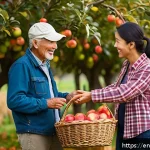
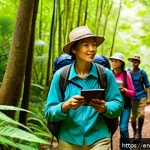
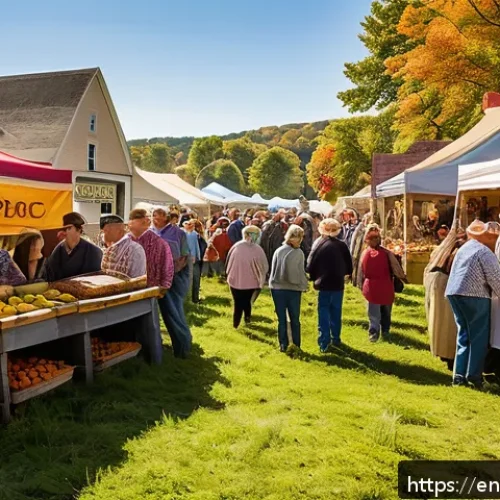
농촌관광지도사로서의 일상 기록 - **Prompt 1: Morning Planning in a Rural Guesthouse**
    An ultra-realistic image of a rural tourism...

Ever wondered what it’s truly like to trade the hustle of city life for the tranquil beauty of the countryside, and call it your office? As a rural tourism guide, that’s precisely my everyday adventure, and let me tell you, it’s a world away from what most people imagine.

It’s a journey of discovery, connecting travelers not just to scenic routes, but to the very soul of local communities, uncovering hidden stories, and championing sustainable ways to experience authentic culture.

From sunrise hikes to evening community feasts, every day brings new insights and unexpected joys. If you’re curious about the realities of a life dedicated to sharing the magic of rural destinations, or perhaps even dreaming of a similar path for yourself, let’s explore it in detail.

Beyond the Postcard Views: What a Day Truly Holds

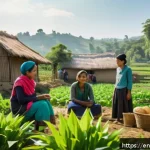
농촌관광지도사로서의 일상 기록 - **Prompt 1: Morning Planning in a Rural Guesthouse**
    An ultra-realistic image of a rural tourism...

Morning Rituals and Route Planning

Every single day, even before the sun fully clears the horizon, my mind is already mapping out the day’s adventure. It’s a habit born of necessity and a genuine love for what I do.

My “office” might be a rolling landscape, but the work starts long before anyone sees a sunrise hike. I’m checking weather forecasts with a hawk’s eye, sometimes local sources even before the national news, because microclimates in rural areas can be incredibly tricky.

Then it’s on to confirming with local partners – the organic farm where we’ll have lunch, the artisan whose workshop we’re visiting, or the guesthouse host ensuring everything is perfect.

I’ve learned that a smoothly run day isn’t magic; it’s meticulous preparation combined with a flexible mindset. There’s a quiet satisfaction in these early hours, a sense of anticipation and purpose as I sip my coffee, surrounded by the tranquility that city dwellers often seek.

I prepare a mental checklist, from emergency contacts to extra water bottles, and even jot down a few lesser-known historical tidbits or local anecdotes I might share to truly bring the landscape to life for my guests.

It’s this blend of practicality and passion that really sets the tone for an incredible day.

Unexpected Detours and Quick Thinking

If there’s one thing I’ve learned about life as a rural tourism guide, it’s that “plans are guidelines, not unbreakable laws.” Just last spring, I had a group ready for a scenic drive through a mountain pass, only to find a fallen tree blocking the road due to an overnight storm.

No amount of prior planning could have accounted for that! Instead of panicking, I immediately engaged my network – a quick call to a local farmer who knew every back road, and within minutes, we had a new, even more picturesque route mapped out.

My guests ended up loving the detour, discovering a hidden waterfall they never would have seen otherwise. It taught me that sometimes, the best experiences are born out of unexpected situations.

This adaptability is key; whether it’s a sudden change in a guest’s mobility, a food allergy I wasn’t aware of until the last minute, or even a sudden burst of inspiration from the group wanting to explore something off the itinerary, being able to pivot gracefully is invaluable.

It’s about ensuring the experience remains seamless and enjoyable, even when the path changes.

Connecting Beyond the Map: Deepening Local Bonds

Earning Trust in Tight-Knit Communities

When I first started, I quickly realized that being a “guide” wasn’t just about knowing the routes; it was about knowing the people. Rural communities, by their very nature, are often close-knit, and outsiders can sometimes be met with a healthy dose of caution.

I recall one of my early attempts to partner with a local cheese maker – it took months of casual visits, sharing coffee, and genuinely listening to their stories before they even considered letting my groups observe their process.

It wasn’t about a quick transaction; it was about building a relationship based on respect and mutual benefit. I’ve found that showing up, participating in local events, and demonstrating a real appreciation for their way of life is the only way to earn that invaluable trust.

This isn’t just good for business; it enriches my own life immensely. I’ve been invited to countless family gatherings, learned traditional recipes, and heard stories that you simply won’t find in any history book.

It’s a slow burn, but the rewards are immeasurable, fostering true partnerships that benefit everyone involved, especially my guests who get to experience these authentic interactions.

Facilitating Authentic Cultural Exchange

My greatest joy comes from facilitating genuine cultural exchanges, moments where my guests don’t just observe but actively participate. I once led a group to a small village known for its traditional weaving.

Instead of just buying souvenirs, I arranged for them to spend an afternoon with the weavers, learning basic techniques, and even sharing their own stories.

The language barrier faded as laughter filled the workshop, and gestures spoke volumes. One guest, a retired art teacher, ended up sketching portraits of the weavers, creating a truly memorable connection.

It’s these unscripted, human moments that truly define rural tourism for me. I’ve found that by acting as a bridge, understanding both my guests’ curiosities and the local community’s traditions, I can foster interactions that are respectful, educational, and deeply moving.

It requires a delicate balance, ensuring that local customs are honored and not turned into a mere spectacle. It’s about opening a window, not putting on a show, allowing both visitors and hosts to learn from each other in a meaningful way.

Advertisement

Navigating the Unseen: Challenges of the Open Road

Weathering the Storms (Literally and Figuratively)

Let’s be real, life on the open road isn’t always picture-perfect. I’ve guided groups through unexpected blizzards that turned a gentle hike into an epic survival story (all safe, of course!), navigated roads made impassable by flash floods, and even once had a crucial vehicle break down in the middle of nowhere.

Each time, it’s a test of resilience, problem-solving, and keeping a calm demeanor for my guests. I vividly remember a particular summer where a string of incredibly hot days made some of our planned activities simply unsafe.

Instead of pushing through, I pivoted, arranging for water-based alternatives, exploring shaded forest trails, and ensuring everyone stayed hydrated and comfortable.

It wasn’t the original plan, but it was the right plan for the conditions. Beyond the physical challenges, there are the figurative storms too – managing different personalities within a group, addressing unexpected anxieties, or even mediating minor disagreements.

My experience has taught me that anticipating potential issues and having contingency plans in place is paramount, but even more important is the ability to think on your feet and reassure everyone that they are in capable hands, no matter what nature or human dynamics throw our way.

Sustainable Tourism: A Constant Balancing Act

The very essence of rural tourism is often its untouched beauty and authentic culture, and my role comes with a deep responsibility to protect that. Promoting these hidden gems means constantly walking a tightrope between inviting visitors and preserving the delicate ecosystems and local ways of life.

I’ve faced situations where a place gains popularity, and suddenly, the very charm that drew people in starts to erode due under the weight of increased foot traffic or inappropriate development.

It’s a constant effort to educate my guests on responsible travel practices – stick to marked trails, respect wildlife, minimize waste, and always ask permission before taking photos of people.

I consciously choose partners who share my commitment to sustainability, from farm-to-table eateries that source locally to guesthouses that prioritize eco-friendly operations.

I recall a time I had to respectfully decline a request from a large tour operator because their proposed itinerary would have put undue strain on a very fragile natural site.

It was a tough decision financially, but ethically, it was the only one. This commitment to sustainable practices isn’t just a philosophy; it’s woven into every decision I make, ensuring that these beautiful places remain vibrant for generations to come.

The Art of Storytelling: Bringing Landscapes to Life

Unearthing Hidden Histories and Local Legends

For me, a landscape is never just rocks and trees; it’s a living canvas painted with centuries of human stories, local legends, and whispers of the past.

My most cherished part of the job is the hunt for these narratives. I’ve spent countless hours poring over old town archives, interviewing the oldest residents in a village, and even deciphering faded inscriptions on forgotten monuments.

Each discovery feels like finding a lost treasure. I remember an afternoon spent with an elderly fisherman who, with a twinkle in his eye, recounted tales of a mythical sea creature guarding a hidden cove.

It wasn’t just a story; it was a window into the deep connection his community had with the sea, shaping their fears, hopes, and traditions. When I share these anecdotes with my guests, their eyes light up.

A simple stone wall becomes a testament to generations of hard work, a quiet stream whispers tales of ancient crossings, and a local dish transforms into a culinary journey through time.

It’s about moving beyond facts and figures, and instead, igniting imagination and fostering a deeper appreciation for the soul of a place, creating a truly immersive experience that resonates long after the trip is over.

Transforming a Tour into an Immersive Journey

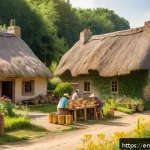
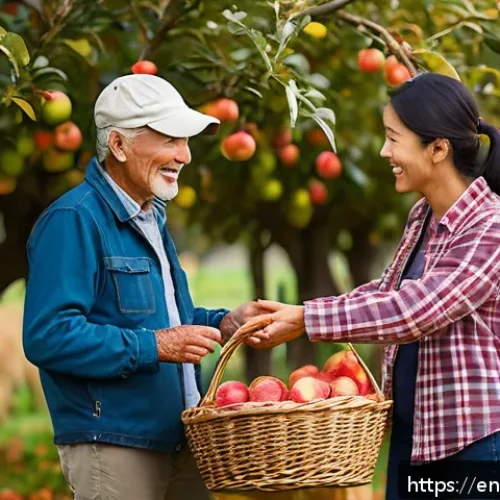
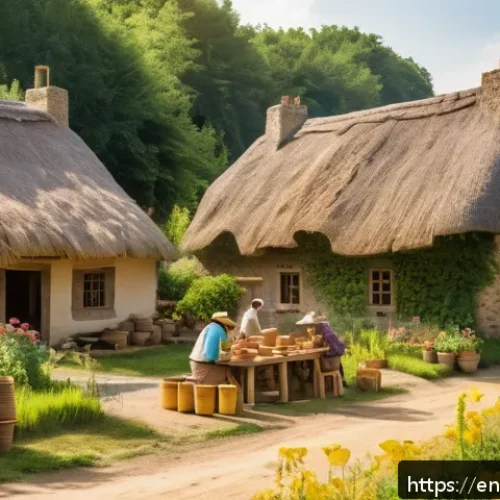
농촌관광지도사로서의 일상 기록 - **Prompt 2: Authentic Artisan Workshop Interaction**
    A vibrant, candid shot capturing a small, d...

My goal is never just to show people a place; it’s to help them *feel* it, to live it, even if just for a few days. This means constantly thinking about how to engage all their senses and emotions.

Instead of just pointing out a beautiful vista, I might have them sit in silence for a few minutes, soaking in the sounds of nature, the scent of wildflowers, and the feeling of the sun on their skin.

I’ve incorporated sensory experiences like blindfolded tastings of local produce or hands-on workshops where guests learn a traditional craft. One time, after exploring an old gold mining town, I had my group listen to a local folk singer performing ballads about the miners’ struggles and triumphs.

The raw emotion in his voice, combined with the historical context, brought the stories to life in a way no lecture ever could. It’s about crafting a narrative arc for the entire experience, from the moment they arrive to their departure, ensuring each activity builds on the last, creating a cohesive and unforgettable journey rather than a series of disconnected sights.

I often joke that I’m not just a guide; I’m an experience architect, carefully designing moments that will hopefully leave a lasting imprint on their hearts and minds.

Advertisement

The Numbers Game: Making Rural Tourism a Livelihood

Pricing Experiences and Managing Expectations

Let’s be honest, as romantic as the idea of guiding through nature sounds, it’s still a business, and one has to make ends meet. One of the biggest learning curves for me was figuring out how to price my experiences fairly – for myself, for my local partners, and for my guests.

It’s not just about counting the hours; it’s factoring in preparation, equipment, insurance, transportation, and the unique value of local access and expertise I provide.

I remember struggling early on, undercharging because I was so eager to share these incredible places. It quickly became unsustainable. Now, I clearly outline what’s included and what’s extra, managing expectations upfront.

Transparency is key. My experience has taught me that people are willing to pay for quality, authenticity, and a seamless, stress-free experience. It’s about demonstrating the immense value they receive beyond just a beautiful view.

I’ve found that carefully segmenting my offerings, from half-day excursions to multi-day immersive trips, allows me to cater to different budgets while still maintaining my high standards.

It’s a constant balancing act, but essential for turning a passion into a sustainable profession that allows me to continue doing what I love.

Beyond the Tour Fee: Diversifying Income Streams

Relying solely on tour fees can be precarious, especially with seasonal fluctuations or unexpected global events (we’ve all seen those!). I quickly realized that diversifying my income was crucial for stability.

This isn’t just about financial security; it also allows me to deepen my involvement with local communities and offer even richer experiences. For instance, I started curating small selections of local artisan products – handmade soaps, unique preserves, or regional crafts – that guests can purchase directly from me, benefiting the artisans and providing a thoughtful souvenir.

I’ve also branched into consulting for guesthouses looking to enhance their eco-tourism offerings or for new guides wanting to build their own local networks.

Sometimes, I even host specialized workshops focused on foraging wild edibles or traditional cooking methods, charging a separate fee. These additional streams don’t just add to my bottom line; they allow me to stay connected to the local pulse, explore new facets of rural life, and offer even more value to my audience.

It’s all about creating a robust ecosystem around my core guiding services.

Income Stream Category Description Benefits Challenges
Guided Tours & Experiences Core service: leading groups on curated rural adventures. Direct connection with guests, high satisfaction. Seasonal demand, weather dependency, high physical demands.
Local Product Curation Selling local artisan goods and produce (e.g., honey, crafts). Supports local economy, passive income, unique souvenirs. Inventory management, quality control, shipping logistics.
Consulting Services Advising others on rural tourism, sustainability, local engagement. Leverages expertise, higher per-hour rate, flexible. Requires strong network, marketing to other businesses.
Workshops & Retreats Hosting specialized skill-based or themed rural events. Higher revenue per event, deep immersion for participants. Extensive planning, venue coordination, specific audience targeting.

Unforgettable Moments: Why I Wouldn’t Trade It

Witnessing Transformations: Guest Experiences That Stick

The most profound rewards of my job aren’t financial; they’re the moments I witness my guests undergo a subtle, yet powerful, transformation. I remember a particularly stressed-out executive from a bustling city who arrived on one of my trips looking utterly drained.

By the third day, after early morning hikes, hands-on cooking with a local family, and evenings spent stargazing without a single city light, I saw the tension literally melt from her shoulders.

Her eyes, initially guarded, now sparkled with genuine joy and wonder. She confided in me on the last day, saying it was the first time in years she had truly felt present and at peace.

These aren’t just “tours”; they’re often profound personal journeys for people seeking a reset, a connection to something real. Knowing that I played a small part in facilitating that kind of positive change is an incredible feeling.

It reminds me that my work isn’t just about showing places, but about creating space for renewal, discovery, and genuine human connection, making every challenging day worth it.

The Personal Rewards of a Life Less Ordinary

Beyond the joy of my guests’ transformations, there’s the deep, personal satisfaction that comes from living a life so deeply intertwined with nature and authentic community.

My “office” is constantly changing – from misty mountain trails to sun-drenched coastal paths, from bustling local markets to quiet, ancient forests. Every day is a new lesson, a new discovery.

I’ve learned to identify countless plant species, understand the subtle shifts in weather patterns, and appreciate the resilience and wisdom of rural folk.

This lifestyle forces me to be present, to adapt, and to constantly learn. I often reflect on how different my life is from the conventional path I might have taken, and I wouldn’t trade it for anything.

The freedom, the constant connection to the natural world, the deep relationships I’ve forged, and the sense of purpose I feel are truly invaluable. It’s a life filled with challenges, certainly, but also with an abundance of beauty, meaning, and unforgettable experiences that continually nourish my soul and remind me why I chose this less-traveled, incredibly rewarding road.

Advertisement

Wrapping Things Up

And there you have it, a peek behind the scenes of what it truly means to be a rural tourism guide. It’s a life filled with early mornings, unexpected challenges, and a whole lot of love for the places and people I get to connect with.

Every day is a fresh opportunity to share a slice of authentic beauty and witness the magic of discovery in someone else’s eyes. It’s definitely not a conventional path, but it’s one that continually nourishes my soul and reminds me of the profound value in slowing down, looking closer, and truly experiencing the world around us.

Good-to-Know Information

Preparing for Your Next Adventure

1. Do Your Homework (Beyond the Guidebook): While guidebooks are a great starting point, dig deeper! Search for local blogs, community forums, or even ask on social media groups dedicated to your destination. You’ll uncover hidden gems, local events, and insider tips that mainstream sources often miss. This extra research can transform a good trip into an unforgettable one, giving you a taste of local life that many visitors overlook. Connecting with local Facebook groups or online communities for the region can provide real-time insights into what’s happening and offer opportunities for unique experiences.

2. Pack Smart, Pack Sustainable: Rural travel often means less access to amenities, so prioritize versatility and eco-friendliness. Think layers for changing weather, a reusable water bottle, a small first-aid kit, and sturdy, comfortable footwear. Consider packing items that support local artisans or reduce your waste footprint, like a reusable shopping bag. Every little bit helps preserve the pristine environments you’re there to enjoy. I always have a small power bank for my phone and a headlamp – you never know when you’ll need them!

3. Embrace the Unexpected: The charm of rural areas often lies in their unpredictability. Roads might be unpaved, local shops might keep odd hours, and events can pop up out of nowhere. Instead of getting frustrated, lean into it! Some of my best travel memories have come from unexpected detours or spontaneous interactions with locals. A willingness to adapt and a sense of humor are your best travel companions. You might just stumble upon your new favorite spot or a truly unique experience!

4. Support Local, Shop Small: When you’re traveling through rural communities, your spending choices have a significant impact. Prioritize local guesthouses, family-run restaurants, and artisan shops. Not only does this directly benefit the community you’re visiting, but it also provides a more authentic experience. You’ll often find better quality, more unique items, and hear incredible stories from the people who pour their heart and soul into their work. Plus, the food is almost always fresher and more delicious!

5. Learn a Few Local Phrases: Even a few words in the local language – “hello,” “thank you,” “please,” “excuse me” – can go a long way in building rapport. It shows respect and a genuine interest in the culture, often opening doors to warmer interactions and more memorable experiences. Don’t worry about perfect pronunciation; the effort itself is appreciated. Trust me, a simple “thank you” in their language can earn you a smile and a story you wouldn’t otherwise get. It makes a huge difference in how you’re perceived.

Advertisement

Key Takeaways

My journey as a rural tourism guide has underscored a few profound truths. Firstly, meticulous preparation, while crucial, must always be paired with an unwavering flexibility. The most memorable experiences often arise from navigating unforeseen challenges, transforming potential setbacks into unique opportunities for discovery. Secondly, genuine connections with local communities are the bedrock of authentic travel. Earning trust through respect and active participation not only enriches the visitor’s experience but also fosters sustainable partnerships that truly benefit everyone involved. This reciprocal relationship is what truly breathes life into any rural adventure, moving beyond mere sightseeing to meaningful cultural exchange.

Moreover, embracing sustainable practices isn’t just a buzzword; it’s a fundamental responsibility. Balancing visitor engagement with environmental and cultural preservation demands constant vigilance and education, ensuring that the untouched beauty and traditions endure for future generations. Finally, the greatest rewards transcend financial gains, found instead in witnessing personal transformations in guests and the deep, personal fulfillment of living a life connected to nature and genuine community. It’s a testament that a life less ordinary, though fraught with its unique set of challenges, is infinitely rich in meaning, purpose, and unforgettable moments.

Frequently Asked Questions (FAQ) 📖

Q: What does a “typical” day look like when you’re a rural tourism guide? Is it all just scenic views and leisurely strolls?

A: Oh, if only it were just leisurely strolls! While the scenic views are definitely a huge part of the allure, a “typical” day for a rural tourism guide is anything but typical – and that’s precisely what I love about it!
My day often kicks off before dawn, sometimes with a sunrise hike to a secluded viewpoint with a small group of eager travelers, or perhaps coordinating with local farmers to ensure our farm-to-table breakfast ingredients are fresh and ready.
I spend a lot of time behind the scenes, you know? That means everything from checking trail conditions and weather forecasts to chatting with local artisans about their crafts for our afternoon workshop, or even troubleshooting a minor hiccup with transportation.
The real magic happens when I’m connecting my guests with the heart and soul of a community. We might be foraging for wild herbs, learning traditional weaving from a local elder, or sharing stories around a bonfire during a community feast.
It’s a blend of logistics, storytelling, cultural immersion, and yes, plenty of breathtaking moments in nature. It’s truly a dynamic role where you’re constantly adapting and ensuring every traveler feels a genuine connection to the place and its people.

Q: It sounds idyllic, but what are the biggest challenges you face, and what makes it all worthwhile in the end?

A: You’re absolutely right, it can be incredibly idyllic, but like any passion-driven career, it comes with its own set of challenges that can keep you on your toes!
I won’t lie, things like unpredictable weather – a sudden downpour can really change a hiking plan! – or navigating local regulations and infrastructure quirks can be tricky.
There’s also the delicate balance of managing diverse group expectations while ensuring we respect local customs and the environment. Sometimes, it’s about finding reliable local partners who share your vision for sustainable tourism, or even just dealing with unexpected logistical snags that pop up when you’re off the beaten path.
But honestly, those challenges just make the rewards even sweeter. What truly makes it all worthwhile? It’s the genuine smiles on my guests’ faces as they discover a hidden waterfall, the heartfelt conversations shared with local artisans, or the look of awe when someone tastes truly authentic, locally-sourced food for the first time.
It’s knowing that I’m not just showing people a place, but helping them feel it, supporting local economies, and fostering a deeper appreciation for sustainable travel.
That feeling of being a bridge between curious travelers and incredible communities, seeing the positive impact firsthand – that’s priceless, and it’s why I wake up excited every single day.

Q: For someone dreaming of transitioning to a rural tourism career, what’s your most crucial piece of advice, and how do you actually make a sustainable living doing this?

A: If you’re dreaming of this path, my most crucial piece of advice is to start small, build deep local connections, and genuinely immerse yourself in the community you want to promote.
Don’t just show up wanting to guide; live and breathe the local culture. Volunteer, connect with farmers, artists, and small business owners. Understanding their needs and offering to share their stories authentically will be your greatest asset.
From my experience, success in rural tourism isn’t just about showing pretty places; it’s about sharing a way of life and creating memorable, authentic experiences.
Now, about making a sustainable living – that’s a question I get a lot! While it takes dedication, it’s absolutely achievable. I’ve found that diversification is key.
Don’t put all your eggs in one basket. Besides guiding tours, consider offering specialized workshops (think photography, local cooking, or traditional crafts), consulting for local businesses wanting to tap into tourism, or even creating unique digital content that can be monetized.
Focus on crafting unique, high-value experiences that travelers are willing to pay for, rather than competing on price alone. Build a strong online presence through SEO-optimized blogging and social media to reach your target audience directly.
Partnering with local accommodations and eateries can also create mutually beneficial referral systems. And most importantly, always remember that you’re selling an experience and a connection, not just a trip.
The trust and loyalty you build with your guests will lead to repeat business and incredible word-of-mouth referrals, which, let’s be honest, are the best kind of marketing out there.