Have you ever found yourself yearning for the quiet charm of the countryside, imagining a life where you guide others through truly authentic local experiences?
I know I have, and from my personal vantage point, rural tourism is no longer just a niche; it’s exploding, driven by a global desire for sustainable, immersive getaways.
This seismic shift means the role of a skilled rural tourism guide is more critical than ever, demanding a unique blend of local wisdom, digital savvy, and a genuine passion for storytelling.
It’s not just about showing a place; it’s about crafting unforgettable connections amidst the new wave of eco-tourism and hyper-local trends. Navigating this dynamic future requires highly specialized training, a field I’ve personally seen transform lives.
Let’s get the exact details.
Have you ever found yourself yearning for the quiet charm of the countryside, imagining a life where you guide others through truly authentic local experiences?
I know I have, and from my personal vantage point, rural tourism is no longer just a niche; it’s exploding, driven by a global desire for sustainable, immersive getaways.
This seismic shift means the role of a skilled rural tourism guide is more critical than ever, demanding a unique blend of local wisdom, digital savvy, and a genuine passion for storytelling.
It’s not just about showing a place; it’s about crafting unforgettable connections amidst the new wave of eco-tourism and hyper-local trends. Navigating this dynamic future requires highly specialized training, a field I’ve personally seen transform lives.
Let’s get the exact details.
The Evolving Landscape of Rural Tourism and Its Demand

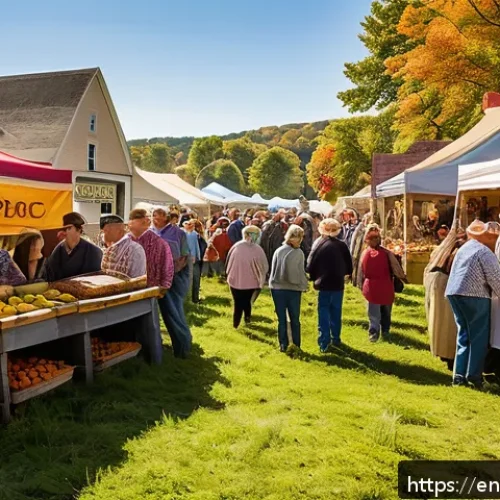
Honestly, the rural tourism scene has transformed dramatically over the past decade. It’s not just about quaint farm stays anymore; it’s a deep dive into genuine local life, culture, and nature. From my travels, I’ve observed a palpable shift in what travelers seek. They’re weary of mass-produced experiences and yearn for something more personal, something that feels authentic and untamed. This isn’t just a fleeting trend; it’s a fundamental change in how people connect with destinations. People want to know the farmer who grew their lunch, the artisan who crafted their souvenir, and the story behind every winding path. This demand for genuine connection means that the role of a rural tourism guide has become incredibly complex and rewarding. It’s about being a storyteller, a cultural ambassador, and a conservationist, all rolled into one. I’ve personally seen how a well-guided tour can turn a simple visit into a profound, life-altering experience for guests, leaving them with memories that resonate long after they’ve returned home. This new wave emphasizes sustainability, community engagement, and a deep respect for the natural environment, making every tour an opportunity for meaningful exchange rather than just a quick sightseeing trip.
1. The Rise of Experiential and Sustainable Travel
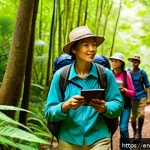
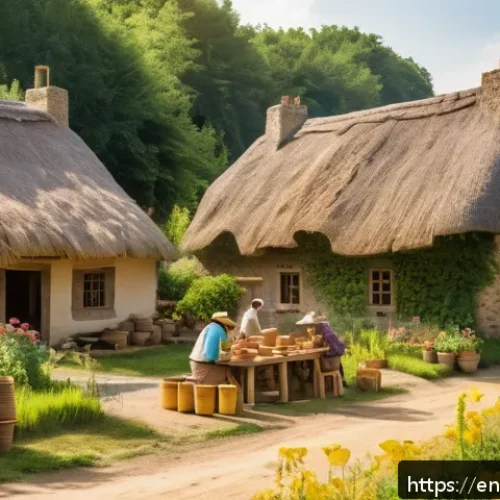
If there’s one thing I’ve learned from my own adventures and observing the market, it’s that travelers are no longer content with just observing; they want to participate. They crave hands-on experiences, whether it’s learning to make local cheese, participating in a traditional harvest, or hiking through untouched wilderness with a knowledgeable local by their side. This push towards experiential travel is inextricably linked with sustainability. Modern tourists are increasingly conscious of their environmental footprint and the impact of their visits on local communities. They seek out tours that support local economies directly, respect cultural heritage, and promote ecological preservation. As guides, we’re not just showing them a beautiful spot; we’re educating them on its importance, its history, and how their visit can contribute positively. I remember a trip where I guided a family through a small artisan village; they weren’t interested in buying trinkets, but in spending an afternoon with a potter, learning the craft. That day, the joy on their faces, and the potter’s, was truly unforgettable – a testament to the power of shared experience and sustainable interaction. It hit me then that we are curators of moments, not just itineraries.
2. Shifting Demographics and Traveler Expectations
The demographic of rural tourists is also diversifying. While once it might have been primarily families or retirees, we now see a significant influx of younger travelers, digital nomads, and solo adventurers, all seeking unique rural escapes. These newer demographics often arrive with very different expectations. They’re tech-savvy, well-researched, and often looking for content to share on social media. They might prioritize unique photo opportunities, immersive storytelling, and access to hidden gems that aren’t in guidebooks. What I’ve found to be crucial is understanding these varied needs and tailoring experiences accordingly. One group might want a challenging mountain bike trail ending at a local microbrewery, while another might prefer a leisurely foraging walk followed by a traditional cooking class. It’s about being adaptable and intuitive, reading the room (or the trail, as it were!) and adjusting the narrative to resonate deeply with each individual or group. This adaptability, combined with a deep understanding of local narratives, is what truly sets a good guide apart in this competitive landscape.
Essential Skills Beyond Just Knowing the Local Area
When I first started out, I thought knowing every single tree and historical fact about my region was enough. Boy, was I wrong! While local knowledge is the bedrock, it’s merely the starting point. Becoming a truly exceptional rural tourism guide requires a toolkit of skills that extends far beyond geography or history. You need to be an engaging communicator, a quick problem-solver, and a natural leader, all while exuding genuine warmth. It’s about anticipating needs, managing diverse personalities, and ensuring everyone feels safe, included, and thoroughly entertained. I’ve been in situations where unexpected weather forced a complete change of plans mid-tour, and it was my ability to pivot gracefully, reassure the group, and conjure up an equally delightful alternative that saved the day. These soft skills are, in my opinion, just as important as knowing the best scenic overlook or the most authentic local eatery. They are the grease in the gears that make the entire experience smooth and memorable, transforming a good tour into an outstanding one.
1. Storytelling and Communication Mastery
This is where the magic truly happens, in my experience. Anyone can recite facts, but a great guide weaves those facts into compelling narratives. It’s about breathing life into the landscape, making historical figures feel like old friends, and transforming a simple walk into an epic journey. I’ve spent countless hours honing my storytelling, learning how to use pauses, inflections, and even a bit of dramatic flair to captivate my audience. The ability to simplify complex ecological concepts or historical timelines into digestible, fascinating stories is priceless. Moreover, active listening is critical. Understanding what sparks a guest’s interest allows you to tailor your narrative on the fly, making the experience deeply personal for them. I remember one tour where a guest mentioned their passion for geology. Immediately, I shifted some of my anecdotes to focus more on the geological formations of the area, and their eyes lit up. That direct engagement, that personal connection, is what truly builds rapport and leaves a lasting impression, making them feel like the tour was crafted just for them.
2. Crisis Management and Adaptability
Let’s be real: things don’t always go according to plan, especially in rural settings where nature is your co-host. I’ve faced everything from sudden downpours and unexpected road closures to minor injuries and lost items. This is where your ability to remain calm, think on your feet, and adapt instantly becomes paramount. You need a contingency plan for your contingency plan! It means having basic first aid knowledge, understanding local emergency protocols, and being prepared to navigate unforeseen challenges with a reassuring smile. My personal mantra is “expect the unexpected.” This preparation isn’t just about safety; it’s about maintaining the positive flow of the experience. Guests look to you for leadership and reassurance, and your calm demeanor in a tricky situation can turn a potential disaster into a memorable anecdote. It also builds immense trust, demonstrating your professionalism and care beyond just the picturesque moments. Being proactive rather than reactive is a skill that takes time to develop but is invaluable for any guide.
Crafting Authentic Experiences for Modern Travelers
Authenticity isn’t just a buzzword; it’s the core currency of successful rural tourism today. In a world saturated with curated, Instagram-perfect moments, travelers yearn for something raw, real, and truly rooted in the local spirit. As a guide, my role isn’t just to show them landmarks, but to peel back the layers of a place, revealing its true heart. This means moving beyond generic tourist traps and instead forging deep connections with local artisans, farmers, chefs, and community members. I’ve spent years building these relationships, earning trust, and understanding the nuances of local customs and traditions. It’s about providing access to experiences that a typical tourist wouldn’t find on their own – maybe a private cooking class in a local’s home, a foraging walk with a seasoned elder, or an evening of traditional music in a hidden pub. These are the moments that resonate, that become the cherished stories travelers share long after their return. It requires a profound respect for local culture and an unwavering commitment to showcasing it responsibly and respectfully, ensuring that the benefits flow directly back to the community.
1. Immersive Cultural Deep Dives
True cultural immersion goes far beyond visiting museums. It’s about engaging all five senses and participating in the rhythms of local life. For me, this has meant organizing hands-on workshops where guests can learn traditional crafts, participate in local festivals, or even spend a morning on a working farm. I always aim to connect guests with real people – the local baker who shares family recipes, the weaver explaining the symbolism in their patterns, or the fisherman telling tales of the sea. These interactions are where genuine understanding blossoms. It’s not just about what you see, but what you feel, taste, and hear. I vividly recall a group’s sheer delight when they were invited to join a spontaneous folk dance during a small village fair. It wasn’t planned, but it became the highlight of their trip – an unscripted moment of pure joy and connection. As guides, we have the privilege of opening these doors, facilitating moments that bridge cultural divides and create lasting bonds.
2. Sustainable Practices and Community Integration
For me, being a rural tourism guide is inherently tied to being an advocate for sustainable practices and community well-being. Every tour I design considers its environmental impact and ensures that the local community benefits directly. This means favoring local, family-owned businesses, promoting eco-friendly transportation where possible, and educating guests on responsible tourism etiquette. It’s about demonstrating how their visit can contribute positively to the preservation of natural landscapes and cultural heritage, rather than detracting from it. I always emphasize respecting local customs, minimizing waste, and supporting local artisans directly. When guests see the care and respect we have for the place, they invariably mirror it. It’s a powerful feedback loop. The trust you build with the community is paramount; they are your partners, sharing their home and their lives with visitors. Without their genuine participation and the assurance that tourism benefits them, the authenticity simply wouldn’t exist. This table outlines key considerations for ensuring your tours are both authentic and beneficial:
| Aspect of Authenticity | Guide’s Role in Implementation | Community/Environmental Benefit |
|---|---|---|
| Local Economic Support | Prioritizing local artisans, family farms, independent eateries for purchases and experiences. | Direct income injection, fostering local entrepreneurship, reducing leakage. |
| Cultural Preservation | Facilitating interactions with local elders, showcasing traditional crafts, respecting customs. | Maintaining cultural identity, intergenerational knowledge transfer, pride in heritage. |
| Environmental Stewardship | Promoting Leave No Trace principles, using eco-friendly transport, educating on conservation. | Reduced ecological footprint, protection of natural habitats, heightened awareness. |
| Genuine Interaction | Arranging organic, unscripted encounters with locals, not staged performances. | Mutual understanding, breakdown of stereotypes, authentic human connection. |
Leveraging Digital Tools for Greater Reach
In today’s interconnected world, being a phenomenal guide isn’t enough if people don’t know about you. This is a lesson I learned the hard way. Early on, I relied solely on word-of-mouth, which, while powerful, has its limits. Embracing digital tools has been a game-changer, allowing me to reach a global audience and showcase the unique charm of my region to potential travelers who might otherwise never discover it. It’s not about becoming a tech wizard overnight, but understanding how to strategically use platforms to tell your story, build your brand, and connect with your niche audience. From a simple, well-maintained website to engaging social media content, digital presence is no longer optional; it’s a fundamental pillar of modern rural tourism guiding. It enables you to communicate your unique value proposition, highlight your expertise, and build a community around your passion, ultimately leading to more bookings and a more sustainable business. It’s about being visible where your audience is actively searching and dreaming of their next escape.
1. Building Your Online Presence and Brand
Your online presence is your digital shop window, and it needs to be as inviting and authentic as your tours themselves. From my own experience, a well-designed website or blog is crucial. It’s where you can tell your story, showcase stunning visuals of your region, and clearly outline your tour offerings. Beyond that, platforms like Instagram, Facebook, and even YouTube are invaluable for sharing snippets of your tours, behind-the-scenes glimpses, and testimonials from happy clients. I’ve found that consistently sharing high-quality photos and videos, coupled with compelling narratives, is incredibly effective. It’s about creating a personal brand that reflects your passion and expertise. Potential clients aren’t just booking a tour; they’re booking *you* and your unique perspective. This consistent online engagement, sharing insights into local life, and responding to comments, builds a community around your brand, fostering trust long before a booking is even made. This isn’t just marketing; it’s an extension of your storytelling.
2. Utilizing Online Booking Systems and Marketing
Gone are the days of endless email chains and manual calendar management! Embracing online booking systems has not only streamlined my operations but also made it incredibly convenient for potential guests to book tours, regardless of their time zone. Platforms like TourDesk, Peek, or even a simple integrated solution on your own website can handle payments, availability, and confirmations, freeing up your time to focus on what you do best: guiding. Beyond booking, understanding basic digital marketing is key. This includes things like SEO (making sure your website ranks high on search engines), using email newsletters to engage past clients, and even exploring targeted social media advertising. I’ve found that a small investment in understanding these tools can yield significant returns, allowing you to reach a broader audience who are actively searching for experiences just like yours. It’s about making it effortless for your dream clients to find you and embark on their unforgettable rural adventure with you at the helm.
The Business Side of Being a Rural Tourism Guide
As much as I love the joy of guiding and sharing my passion, the reality is that it’s also a business. And like any business, understanding its financial and operational intricacies is absolutely vital for long-term sustainability. It’s a common trap for passionate individuals to overlook the nitty-gritty details of pricing, permits, and legalities, but neglecting these aspects can quickly turn a dream job into a nightmare. From my own journey, I’ve learned that setting appropriate prices, managing expenses, and ensuring legal compliance are just as important as crafting a fantastic tour itinerary. This includes everything from calculating the true cost of each tour (including your time, transportation, and any third-party fees) to understanding local licensing requirements and securing adequate insurance. It’s not the glamorous part, I’ll admit, but mastering it provides a solid foundation, allowing you to focus your energy on creating memorable experiences without constant financial or administrative stress. Think of it as the invisible infrastructure that supports your passion.
1. Pricing Strategies and Financial Management
Determining your tour prices can feel like walking a tightrope. Price too high, and you might deter potential clients; price too low, and you undervalue your expertise and risk burning out. My approach has been to carefully calculate all direct costs (transportation, entry fees, local supplier payments), add a fair margin for my time and expertise, and then research what similar tours in comparable regions are charging. It’s a delicate balance. Beyond pricing, robust financial management is non-negotiable. This means keeping meticulous records of income and expenses, setting aside funds for taxes, and regularly reviewing your financial performance. I personally use simple accounting software, and it’s made a world of difference in understanding my profitability and planning for future investments. It might not be the most exciting part of the job, but understanding your numbers gives you peace of mind and the power to make informed decisions about scaling your business or investing in new equipment.
2. Legalities, Insurance, and Risk Mitigation
This is the serious stuff, but absolutely essential. Operating as a rural tourism guide means you’re responsible for your guests’ safety and well-being. Therefore, understanding the legal framework of your operations and securing comprehensive insurance coverage isn’t just good practice; it’s a necessity. This includes liability insurance to protect against unforeseen accidents or injuries, and potentially vehicle insurance if you’re transporting guests. Furthermore, you need to be aware of any local permits or licenses required to operate tours in your specific region. Regulations can vary widely, even between neighboring counties, so thorough research is key. I made it a point to consult with a local legal expert early on, and it was one of the best investments I made. Proactive risk mitigation, like clear safety briefings, carrying first-aid kits, and having emergency contact information for all guests, is also paramount. These measures don’t just protect you; they assure your guests that they are in capable and responsible hands, building immense trust.
Building Trust and Community Engagement
From my unique vantage point, a truly successful rural tourism guide isn’t just an expert on their region; they’re an integral part of its fabric. Building trust, both with your clients and the local community, is the bedrock upon which a sustainable and fulfilling guiding career is built. Clients need to trust your expertise, your judgment, and your commitment to their safety and enjoyment. Equally important, and often overlooked by newcomers, is fostering genuine relationships within the local community. These relationships are the lifeblood of authentic tours, granting you access to unique experiences and ensuring that tourism benefits the very people and places you showcase. I’ve personally invested countless hours getting to know local farmers, artisans, small business owners, and community leaders. It’s about more than just business transactions; it’s about mutual respect, understanding, and shared goals. When the community sees you as a partner, rather than just an operator, doors open, and genuine, unforgettable experiences unfold for your guests.
1. Cultivating Strong Local Relationships
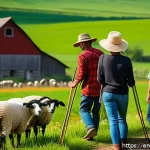
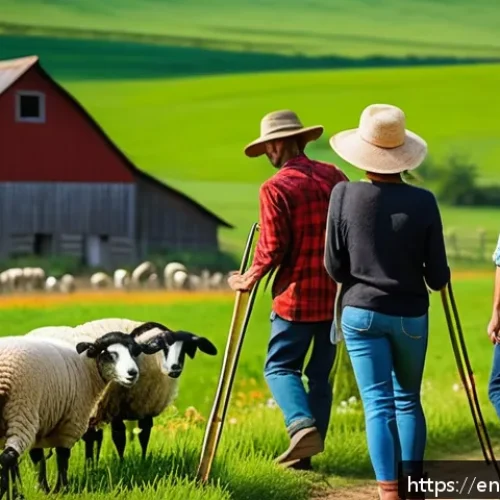
The saying “it takes a village” couldn’t be truer for rural tourism. My most unique and beloved tour experiences have stemmed directly from deep, long-standing relationships with locals. These aren’t just professional contacts; they’re friends, neighbors, and mentors. It means supporting local businesses even when you’re not on a tour, participating in community events, and simply being a good neighbor. I always make sure that the local people involved in my tours – whether it’s a sheep farmer demonstrating shearing or a chef teaching a traditional recipe – are fairly compensated and feel valued. Their willingness to share their lives and traditions with visitors is a gift, and it’s essential to reciprocate that generosity. I recall a time when an unexpected storm cut off our usual route; because of my strong relationship with a local farmer, he allowed us to cut across his private land, saving the day and creating an unplanned, truly memorable experience for the group. These connections are invaluable, enriching your tours and bolstering your reputation.
2. Earning Client Loyalty and Positive Reviews
In the age of online reviews, client loyalty and positive testimonials are your most powerful marketing tools. I’ve found that building this trust begins long before the tour even starts – through clear communication, prompt responses, and managing expectations. During the tour, it’s about going the extra mile: remembering small details about your guests, anticipating their needs, and sharing your passion contagiously. After the tour, a sincere follow-up message, perhaps with a curated photo or a link to a local recipe, can leave a lasting positive impression. My personal approach is to always ask for honest feedback, because continuous improvement is key. Positive reviews on platforms like TripAdvisor, Google, and your own website are gold, attracting new clients who rely heavily on social proof. But it’s more than just getting stars; it’s about fostering genuine connections that make clients feel like they’ve gained a friend and a trusted expert in you, inspiring them to return and recommend you wholeheartedly.
My Personal Journey and the Path Forward
Looking back on my own path into rural tourism guiding, it truly feels like a calling. I started with a deep love for my local area and a strong desire to share its hidden gems, but I quickly realized that passion alone wouldn’t cut it. My journey has been one of continuous learning, adapting, and, honestly, a few stumbles along the way. But every challenge, every unexpected turn, has only deepened my expertise and refined my approach. What I’ve come to understand is that the future of rural tourism is not just about showcasing places; it’s about crafting legacies – experiences that impact both the traveler and the local community in profoundly positive ways. It’s about being an advocate for the land, a storyteller of its people, and a bridge between cultures. This isn’t just a job; for me, it’s a way of life that constantly inspires and challenges me to grow, always seeking new ways to enrich the experiences I offer and to deepen my connection with the places and people I cherish. The adventure, as they say, never truly ends.
1. Embracing Lifelong Learning and Adaptation
The world of tourism, especially rural tourism, is constantly evolving. New trends emerge, technology advances, and traveler preferences shift. To stay at the top of your game, you simply can’t afford to rest on your laurels. I’ve made it a personal commitment to lifelong learning. This means regularly attending industry webinars, reading up on sustainable tourism practices, exploring new digital tools, and, most importantly, continuously re-discovering my own backyard. There’s always a new trail to explore, a new local artisan to meet, or a forgotten historical anecdote to uncover. This continuous quest for knowledge not only keeps my tours fresh and exciting but also allows me to adapt quickly to changing circumstances, whether it’s navigating a new booking platform or designing tours that cater to emerging interests like astrotourism or wellness retreats. It’s about maintaining a curious mind and an open heart, ready to embrace the next exciting development in this dynamic field.
2. The Rewarding Impact on Communities and Travelers
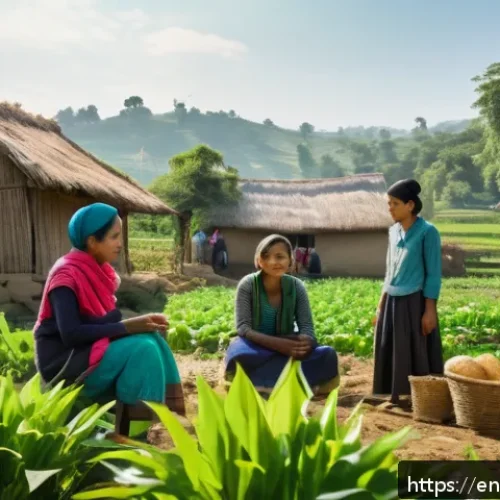
Perhaps the most profound aspect of being a rural tourism guide, from my perspective, is the tangible positive impact you can have. I’ve seen firsthand how carefully crafted tours can bring vital economic benefits to small, often overlooked communities, helping to preserve traditional crafts, support local farms, and keep vibrant cultural practices alive. But it’s not just economic. It’s about fostering pride in local heritage, creating meaningful employment, and building connections that transcend language barriers. On the flip side, I’ve witnessed the transformative effect these experiences have on travelers. I’ve seen city dwellers rediscover their connection to nature, families bond over shared adventures, and individuals find solace and inspiration in the simplicity of rural life. Knowing that I’ve played a part in creating those unforgettable moments, in forging those genuine connections between people and place, is an incredibly rewarding feeling. It’s this mutual benefit, this shared enrichment, that truly fuels my passion and affirms the profound value of rural tourism guiding.
Closing Thoughts
Stepping into the world of rural tourism guiding has been one of the most fulfilling decisions of my life. It’s a journey filled with continuous discovery, not just of hidden trails and local stories, but of the profound connections you forge with both the land and the people who travel it. If you feel that pull towards sharing the untamed beauty and rich heritage of your own corner of the world, remember that it’s more than a job; it’s a chance to craft unforgettable experiences, foster genuine understanding, and contribute to a more sustainable, meaningful way of exploring our planet. The path ahead is dynamic and endlessly rewarding, for those willing to walk it with passion and purpose.
Useful Information to Know
1. Seek Local Certifications: Many regions offer specific tourism guide certifications that can bolster your credibility and knowledge of local regulations and safety protocols. Check with your local tourism board or cultural heritage organizations.
2. Network Relentlessly: Connect with other guides, local business owners, and community leaders. Your network will be invaluable for finding unique experiences, getting referrals, and staying updated on local happenings.
3. Start Small and Specialize: You don’t need to offer dozens of tours right away. Begin with one or two well-defined, highly authentic experiences that you are deeply passionate about, and then expand gradually.
4. Embrace Feedback as a Gift: Actively solicit feedback from your guests after every tour. This invaluable insight helps you refine your offerings, identify areas for improvement, and ensures you consistently exceed expectations.
5. Prioritize Your Well-being: Guiding can be physically and mentally demanding. Ensure you schedule downtime, maintain a healthy lifestyle, and have a support system to avoid burnout and keep your passion burning bright.
Key Takeaways
The landscape of rural tourism is evolving rapidly, driven by a desire for authentic, sustainable, and experiential travel. Becoming a successful rural tourism guide requires a blend of deep local knowledge, exceptional soft skills like storytelling and crisis management, and a commitment to crafting immersive, community-integrated experiences. Leveraging digital tools for visibility and understanding the business fundamentals—from pricing to legalities—are crucial for sustainability. Ultimately, building trust with both clients and the local community is paramount, fostering loyalty and ensuring that your guiding journey is not only profitable but also profoundly impactful and rewarding.
Frequently Asked Questions (FAQ) 📖
Q: So, with all this talk about “seismic shifts” and “unforgettable connections,” what does being a “skilled” rural tourism guide actually entail in today’s world? It sounds like more than just knowing directions.
A: Oh, absolutely, it’s lightyears beyond just pointing the way. What I’ve really noticed is that it’s about being a curator of experiences, a bridge between visitors and a place’s very soul.
Think about it: you need that deep, almost intuitive local wisdom—knowing the shortcuts, the stories behind that old stone wall, the best spot for a spontaneous picnic by the creek, not just what’s on a map.
But then you layer on the digital savvy. I’ve seen guides absolutely revolutionize their outreach using Instagram to tell visual stories or managing bookings with smart apps, reaching people who might never have found them otherwise.
And the storytelling? That’s where the magic truly happens. It’s not reciting facts; it’s sharing a bit of yourself, making people feel like they’re discovering something truly special, not just being lectured.
I remember one guide, a farmer in Vermont, who taught visitors to identify native wildflowers while showing them how to mend a fence – that’s authenticity you can’t fake.
Q: You mentioned specialized training transforming lives. Is this really a necessary step, or can someone just jump in if they know their local area well? I mean, how much “training” do you truly need to show someone around your own backyard?
A: You know, that’s a common thought, and it’s totally understandable. “My backyard,” right? But here’s the thing: knowing your backyard is one part, teaching and guiding in a sustainable, engaging, and professional way is another beast entirely.
I’ve personally witnessed people with incredible local knowledge struggle because they lacked the soft skills – how to manage a group, handle unexpected situations (like a sudden downpour or a minor sprain!), or even just structure a compelling narrative for their tour.
Specialized training goes beyond just facts; it equips you with those practical frameworks for safety protocols, responsible eco-tourism practices that genuinely protect the environment, and even marketing your unique offering.
It’s about turning passion into a viable, long-term venture. I saw a woman from rural Oregon who, after a dedicated course, transformed her family’s struggling berry farm into a thriving agritourism hub, complete with workshops and tastings.
She knew berries, but the training showed her how to share that knowledge meaningfully and profitably.
Q: The buzzwords “eco-tourism” and “hyper-local” sound great, but how do you genuinely integrate them into a tour without it feeling like a forced marketing ploy? How do guides truly “craft unforgettable connections” with these trends in mind?
A: Ah, the million-dollar question, isn’t it? It’s so easy for these terms to become buzzwords that lose their meaning. From what I’ve observed, the secret sauce is authenticity and respect.
It’s not about ticking boxes. For eco-tourism, it means truly living and breathing sustainable practices – maybe you only use local, seasonal food for your picnic lunches, or your tour actively participates in a small conservation effort, like collecting litter on a trail.
It’s about educating without lecturing, showing the impact directly. And “hyper-local”? That’s where you dig into the unique fabric of your specific community.
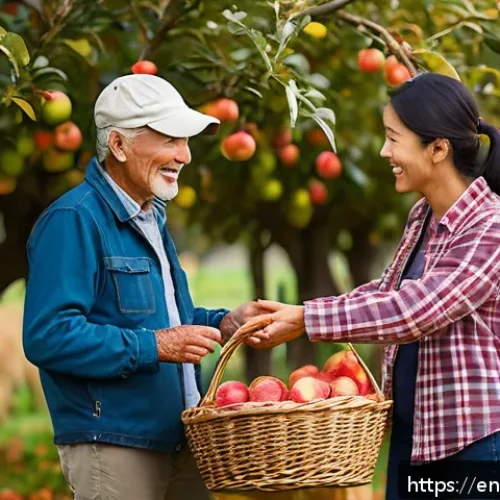
It’s not just “farm-to-table”; it’s knowing Farmer John down the road by name, understanding his struggles with crop rotation, and letting visitors meet him and taste his apples.
It’s about celebrating the quirks, the hidden gems, the multi-generational stories. I remember a guided hike in the Appalachian Mountains where the guide didn’t just point out flora; she told us about the medicinal uses passed down through her family, about the local moonshine history, and even introduced us to a quilter who used plants from the forest for natural dyes.
That wasn’t a “tour”; it was an immersion. And that’s how unforgettable connections are made – when people feel like they’ve genuinely touched the soul of a place, not just skimmed its surface.
📚 References
Wikipedia Encyclopedia
구글 검색 결과
구글 검색 결과
구글 검색 결과
구글 검색 결과
구글 검색 결과